A well-balanced CKD diet plan assists in slowing down the advancement of chronic kidney disease by reducing the burden on the kidneys. The optimal diet entails restriction of sodium, protein, potassium, phosphorus, and fluid intake, as suitable to the stage of CKD. A well-thought-out Indian kidney-friendly diet helps patients enjoy healthful home-cooked meals and also promotes better kidney health. Every patient has varied nutritional needs, and so it is important to follow a personalized diet plan, suggested by a nephrologist or a renal dietitian.

Key Highlights
- The dietary requirements vary with the stage of CKD.
- Keeping salt intake down can help control blood pressure and edema.
- You want a balanced intake of protein, neither too much nor too little.
- Limit high-potassium and high-phosphorus foods.
- Good kidney function is guaranteed by regular medical check-ups and a healthy lifestyle.
What Is Chronic Kidney Disease?
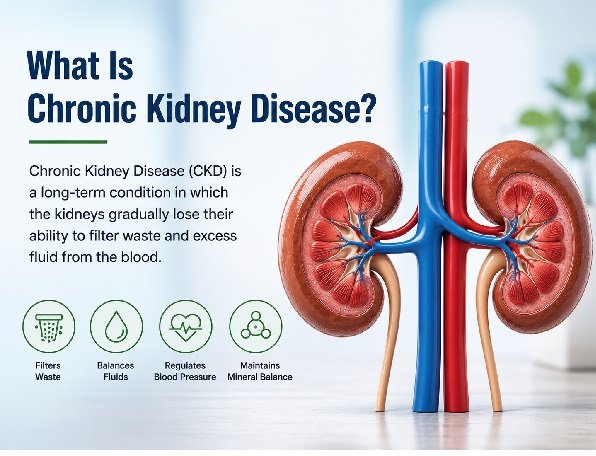
Chronic Kidney Disease (CKD) is a long-standing disease where the kidneys slowly lose function. Gradually, the kidneys stop being able to get rid of waste materials and excess fluids from the body. Healthy kidneys also help manage blood pressure, balance minerals, and produce hormones that help make red blood cells. If the kidneys are not performing well, then waste products can build up in the blood and cause issues.
CKD is staged according to the estimated glomerular filtration rate (eGFR) in 5 stages. There are sometimes no signs or mild symptoms in the early stages; thus, regular health check-ups are necessary, especially for those who have diabetes, high blood pressure, or a family history of kidney disease. As the disease progresses, symptoms might include swelling, fatigue, nausea, loss of appetite, muscle cramps, and changes in urine.
A well-planned CKD diet plan along with prescribed medications can assist to reduce the stress on the kidneys and improve the quality of life.
Diet in CKD Management: The Importance
Diet is one of the most important things to manage in chronic kidney disease. The foods that you eat directly affect kidney function since damaged kidneys are not able to remove waste products efficiently and regulate minerals.
A balanced Indian diet for the kidneys helps in controlling blood pressure, fluid retention, and electrolyte balance and prevents excess potassium and phosphorus levels in the blood. It also helps to retain a healthy body weight. It assists patients with diabetes in controlling their blood sugar levels, preventing further kidney damage.
Many CKD patients need to limit their excess salt intake, and a low-sodium Indian diet and fresh home-cooked meals instead of packaged foods could assist a lot.
Nutrients to be careful with in CKD patients
Using nutrients carefully may help protect the kidneys and prevent complications.
Protein helps muscles, but too much leads to excessive waste for the kidneys. Eggs, paneer, fish, lentils
Salt High blood pressure, edema Too much salt Pickles, nibbles, sauces
- Potassium: Large doses may interfere with heart rhythm. Banana, potato, spinach, coconut water.
Too much phosphorus can weaken bones and damage blood vessels. Soft drinks, processed cheese, nuts - Fluids: Some patients need controlled fluid intake. Water, tea, soup, juice, proteins
It is vital for the healing of biological tissues. But too much may increase the work stress on damaged kidneys. How much you need depends on how far along the CKD is and whether you are on dialysis. Always talk with a renal dietitian before making any substantial changes to your diet.
- On Sodium: Limiting sodium helps manage blood pressure and reduces swelling of the hands, feet, and face. Normally, a low-sodium Indian diet would mean avoiding processed foods, packaged snacks, instant noodles, pickles, and ready-to-eat meals.
- K Potassium: Potassium is needed for nerve and muscle function, but high levels of potassium can be dangerous for persons with CKD. Depending on the blood tests, you may have to restrict foods such as bananas, tomatoes, spinach, potatoes, and coconut water.
- Phosphorus: If you have too much phosphorus, it can cause calcium to build up in your blood vessels and make your bones fragile. Many processed goods include hidden phosphorus additives, so it’s important to read labels carefully.
- Fluidity: Not all CKD patients require fluid restriction. But patients with more severe kidney disease may need to restrict water and other fluids and follow their doctor’s advice.
- Dietary Foods for CKD Patients in India
A good kidney-friendly diet plan should be focused on fresh, minimally processed foods that provide you with the vital nutrients your body needs, without putting too much stress on your kidneys.
Some common recommended foods are:
| Kidney-Friendly Food | Why It’s a Good Choice for CKD Patients |
|---|---|
| White Rice | Easy to digest and a good source of energy. It is lower in potassium than many whole grains. |
| Dalia (Broken Wheat) | Provides fibre and energy while supporting healthy digestion. Consume in moderation as advised. |
| Barley | Rich in fibre and may help support blood sugar control. Portion size should be monitored. |
| Suji (Semolina) | Light, easy to digest, and a good source of carbohydrates. |
| Apples | Naturally lower in potassium and rich in fibre and antioxidants. |
| Pears | Low in potassium and a good source of vitamins and dietary fibre. |
| Papaya | Provides vitamins A and C, fibre, and antioxidants while being relatively kidney-friendly. |
| Pineapple | Lower in potassium than many tropical fruits and rich in vitamin C. |
| Bottle Gourd (Lauki) | Hydrating, easy to digest, and low in sodium, making it suitable for many CKD patients. |
| Pumpkin | Low in sodium, rich in vitamins, and versatile for preparing healthy meals. |
| Bell Pepper (Capsicum) | High in vitamin C and antioxidants while being relatively low in potassium. |
| Cauliflower | A nutritious vegetable that provides fibre, vitamin C, and folate with lower potassium levels. |
| Egg Whites (If Permitted) | Excellent source of high-quality protein with less phosphorus than whole eggs. |
| Fresh Fish (If Permitted) | Provides lean protein and omega-3 fatty acids. Choose fresh fish and avoid processed or salted varieties. |
| Homemade Chapati (In Moderation) | A healthy carbohydrate source when eaten in recommended portions as part of a balanced CKD diet plan. |
When you cook at home, you have control over the ingredients and the portion size. A kidney-friendly meal plan is a thoughtfully designed diet that supplies well-balanced nutrition and supports kidney health.
Foods to Avoid in CKD (Chronic Kidney Disease)
Some foods can also increase the amount of salt, potassium, phosphorus, or toxic fats, making them unsuitable for many CKD patients.
Here are some common foods to limit or avoid:
| Food to Avoid | Why It Should Be Limited in CKD |
|---|---|
| Pickles | High in sodium, which can increase blood pressure and cause fluid retention. |
| Instant Noodles | Loaded with salt, preservatives, and unhealthy additives. |
| Papad | Contains excessive sodium and should be eaten sparingly. |
| Potato Chips & Salted Snacks | High in sodium, unhealthy fats, and preservatives. |
| Processed or Cured Meats | Rich in sodium, phosphorus, and preservatives that can burden the kidneys. |
| Canned Soups | Often contain large amounts of hidden salt and additives. |
| Frozen Ready-to-Eat Meals | Usually high in sodium and preservatives. |
| Soft Drinks | May contain phosphorus additives and excess sugar. |
| Processed Cheese | High in sodium and phosphorus, making it unsuitable for many CKD patients. |
| Potassium Supplements | Should only be taken if prescribed, as excess potassium can be dangerous. |
| Dried Fruits | More concentrated in potassium and natural sugars than fresh fruits. |
| Chocolate (Excess) | Contains high amounts of phosphorus and potassium. |
| Packaged Fruit Juices | Often high in added sugar, preservatives, and sometimes potassium. |
| Fast Food | Usually high in salt, unhealthy fats, and calories with very little nutritional value. |
| Bakery Products (Excess) | Many contain hidden sodium, phosphorus additives, trans fats, and refined flour. |
These need to be replaced with freshly prepared meals and a low-sodium Indian diet to assist maintain blood pressure and decrease the danger of fluid retention.
7-Day Indian Diet Plan for CKD Patients
| Day | Breakfast | Lunch | Evening Snack | Dinner |
|---|---|---|---|---|
| Monday | Oat porridge with apple slices | Rice, lauki sabzi, curd (if allowed) | Roasted makhana | Chapati with pumpkin curry |
| Tuesday | Vegetable poha | Chapati, cabbage sabzi, cucumber salad | Pear | Rice with mixed vegetables |
| Wednesday | Suji upma | Rice, cauliflower sabzi | Unsalted biscuits with herbal tea | Chapati with bottle gourd curry |
| Thursday | Dalia with vegetables | Rice, capsicum sabzi | Apple slices | Vegetable khichdi (as advised) |
| Friday | Idli with coconut chutney (limited) | Chapati with pumpkin sabzi | Roasted fox nuts | Rice with beans (portion controlled) |
| Saturday | Plain paratha with homemade curd (if permitted) | Rice, lauki curry | Papaya | Chapati with cabbage sabzi |
| Sunday | Vegetable sandwich (low salt) | Rice, mixed vegetables | Homemade popcorn (without extra salt) | Chapati with bottle gourd curry |
Reading Food Labels When You Have CKD
Many foods sold in packaging that claims to be “healthy” can include excessive levels of salt, phosphorus, additives and preservatives. Many CKD patients miss out on a key skill: learning to read nutrition labels.
When purchasing packaged foods:
- Pick items with less salt per serving.
- Avoid substances with the words “phosphate” or “phosphoric acid.”
- Check serving sizes before you compare nutrition values.
- Watch out for items labeled “low fat” that have had salt added to them.
- Skip the instant soups, seasoning mixes, and ready-to-eat meals with extensive lists of ingredients.
- Instead of going for the first one, compare different brands.
- Choose items with fewer artificial preservatives whenever feasible.
- Even read the labels on your breakfast cereals, breads, and pastries.
You can adopt these basic behaviors to help you stick to a kidney-friendly meal plan, while cutting down on hidden sources of sodium and phosphorus in your everyday diet.
Diet Mistakes CKD Patients Make
Many people make eating decisions that can inadvertently impact how the kidneys function.
Common mistakes are:
- Regular salt is not as good as the salt from the Himalayas.
- Coconut water used without monitoring potassium levels.
- Eating protein supplements that you find on the internet.
- Taking herbal supplements without visiting a doctor.
- Having a lot of dried fruits and nuts.
- Ignoring portion amounts since the food is “healthy.”
- Not reading the nutrition labels on packaged products.
Always remember, a balanced low-sodium Indian diet should be based on medical advice and not on social media fads or general diet plans.
Diet + Lifestyle Tips
CKD is not diet-controlled. Good everyday routines also matter.
- Take a walk or do any other exercise.
- Keep your weight in check.
- Keep blood pressure in check.
- Take care of your diabetes.
- Try to get a full night’s sleep.
- Don’t smoke. Drink alcohol only in moderation.
- Take medicine as directed consistently.
- Have regular kidney function testing as your doctor recommends.
Incorporating these practices with a balanced kidney-friendly meal plan will help promote overall health and increase quality of life.
FAQs
1. Can people with CKD consume rice?
Yes, rice is usually lower in potassium than many other grains and is often a part of a CKD diet plan, but portion quantity should be reviewed with your healthcare physician.
2. What are the finest fruits for CKD patients?
Apples, pears, papaya, pineapple, and berries are often recommended in moderation, depending on potassium limits.
3. Can I drink milk in CKD?
Some people may have to restrict milk since it includes phosphate and potassium. Your doctor or dietician can advise on the correct amount.
4. Are eggs good for CKD patients?
In general, egg whites are a rich source of quality protein. Depending on individual nutritional demands, moderation of whole eggs may be required.
5. Is it OK for a kidney patient to eat banana?
Bananas are high in potassium and may need to be reduced, especially in the later stages of CKD.
6. What is the recommended fluid intake for a CKD patient?
The required volume of fluid depends on the renal function of the patient, if the patient is edematous, urine output, and if the patient is on dialysis. Always follow your doctors recommendations.
7. Is coconut water healthy for CKD?
Coconut water is healthy but high in potassium and may not be acceptable for many CKD patients.
8. Can CKD patients eat food outside?
You may be able to have an occasional dinner, but choose freshly cooked dishes with less salt, avoid processed foods and ask for little spice to make an Indian kidney friendly diet.
9. Can CKD be healed by diet?
Diet cannot cure chronic kidney disease, but it can help to control symptoms, delay the progression of the disease and improve general health when paired with medical treatment.
10. Do I need to see a renal dietitian?
Yeah. Every CKD patient has a different nutritional demand. A renal dietician can develop a personalized kidney-friendly food plan, based on your stage of kidney disease, medical history and blood test results.
Summary,
But steering clear of particular foods is just one part of managing chronic renal disease. A proper CKD diet plan focuses on the optimal balance of nutrients, portion control and healthy cooking methods while considering the patient’s stage of kidney disease. A low-sodium Indian diet, fresh home-cooked food, and keeping a tab on potassium, phosphorus and protein levels will help relieve the load on the kidneys. Since every patient has different nutritional requirements, always consult with your nephrologist or renal dietitian to create a safe, individual meal plan to foster long-term kidney health.