In case you have hypertension, you need to avoid eating foods that are excessively salty, overly processed, sweet, or fried. Numerous foods you eat daily, including packaged snacks, pickled products, instant ramen noodles, processed meats, and even soft drinks, raise blood pressure. Knowledge of appropriate foods to avoid in hypertension will reduce cardiac stress, improve blood circulation, and support overall health.
Importance of Eating Right to Control BP
Healthy eating is important for BP management as excess salt and processed foods elevate blood pressure. High sodium intake causes excessive water retention in the body, leading to increased blood pressure. In the long run, the blood vessels become hardened and injured. The World Health Organization research shows that reducing sodium intake helps in the prevention of hypertension and cardiovascular problems. This explains why doctors recommend following dietary guidelines along with prescribed medication to manage hypertension. The foods that should be avoided for preventing heart complications include packaged food items, instant foods, and beverages containing sugar.
Ultra-processed foods are a major cause of BP-related health issues
The excessive consumption of ultra-processed foods is one of the leading causes of the growing number of people suffering from blood pressure problems. Such foods include preservatives, salt, added flavorings, sugar, and fats that are harmful to the cardiovascular system in the long run. Excessive amounts of salt result in increased water retention within the body and higher BP. Unhealthy fats and hidden sugars can also contribute to obesity, inflammation, and hardening of blood vessels.
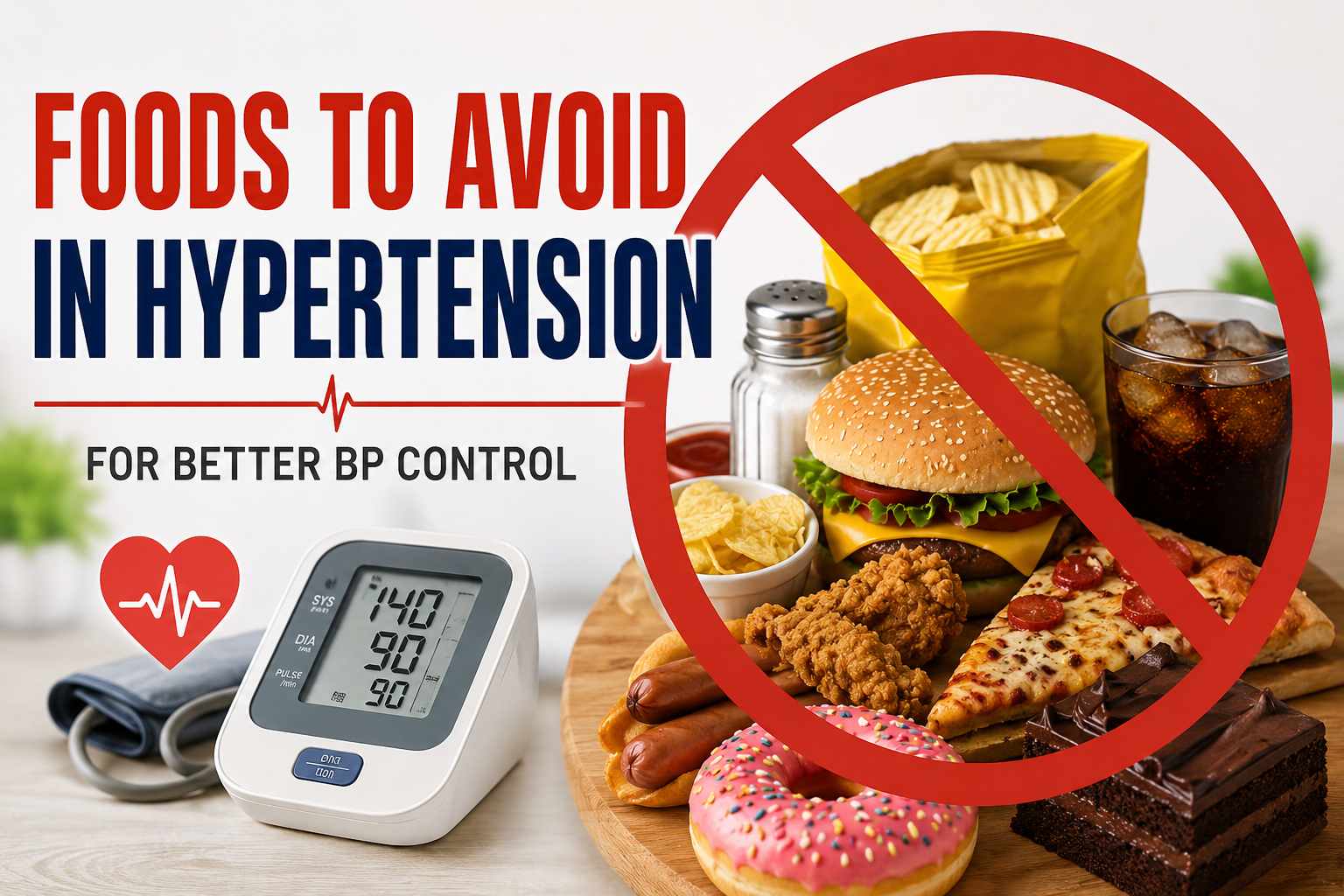
Examples of unhealthy products for hypertensive patients include chips, frozen meals, noodles, processed breakfast cereals, soups, and snacks. The high content of salt and artificial ingredients in such foods makes them unhealthy for hypertensive patients. The studies conducted by the American Heart Association have proven that the regular intake of ultra-processed foods is associated with hypertension and heart disease.
Top Worst Foods That Should Be Limited in BP Patients
There are certain foods that can raise blood pressure levels because of their high salt, fat, preservative, and sugar content. These foods are known as the top worst foods for bp patients and therefore need to be minimized.
- The processed meat products, including bacon, sausage, salami, and ham, have extremely high sodium content and preservatives. Sodium leads to water retention in the body, causing more pressure on the vessels. A study from the World Health Organization states that excessive consumption of sodium increases the chances of getting hypertension.
- Namkeen, chips, crackers, and salted peanuts are the snacks which are among the worst foods to avoid when having hypertension, as sometimes, even small portions of them contain a considerable amount of salt and oil.
- Pizza, burgers, fried chicken, and French fries are considered dangerous foods when it comes to BP since they have high sodium, flour, trans-fat, and calorie content.
- Instant noodles, instant soups, and frozen food items should be limited as well due to their excessive use of additives and flavor enhancers.
- Other BP-raising foods are sugary products, including pastries, cakes, donuts, and sweetened cereals.
Sodium-Rich Foods Often Forgotten by Many
While many consider that salty foods lead to BP elevation, some common foods also have hidden sodium. Foods such as bread, sauces, ketchup, salad dressing, energy bars, flavored yogurt, and paneer toppings, despite being mildly salty, still contain additional sodium to increase shelf-life and enhance flavor. When consumed consistently, these foods can result in hidden sodium addition gradually.
Foods that seem healthy may turn into a problem due to increased consumption of hidden sodium under high blood pressure diets, leading to water retention and raising pressure levels within the blood vessels. According to research conducted by the American Heart Association, the excessive sodium intake among Americans is primarily due to hidden sodium in processed foods, rather than sodium from table salt.
The significance of reading food labels has therefore gained much importance since 2026, while making wise choices about fresh and home-cooked foods helps in controlling blood pressure levels.
Indian Foods that Raise BP Levels in Patients
Several Indian foods silently increase blood pressure levels since they have high oil content, salt, and refined carbohydrates. Pickles (achar) and papads are quite salty foods that retain more fluids in the body and increase pressure on blood vessels. Gravies at restaurants tend to have excess amounts of butter, cream, salt, and packaged masalas, making them one of the common foods responsible for increasing BP in patients.
The likes of chole bhature, street chaats, and even Chinese cuisine are also not ideal since they have high levels of fat due to frying, refined flours, and sauce ingredients. Such foods tend to increase BP, weight gain, and body inflammation. Poha and upma are instant foods for breakfast that seem healthy, but most packaged brands tend to include preservatives and hidden sodium.
According to the World Health Organization, consumption of food with high levels of sodium and processed fat increases the risks of high BP and cardiac problems.
Hidden Drinks That Increase BP
Several hidden drinks raise blood pressure. These drinks include soda drinks, energy drinks, excessive coffee intake, packaged fruit drinks, and alcohol.
Energy drinks and excessive intake of coffee can cause a rise in BP due to their high caffeine content. The drink can make blood vessels tighten and make your heart beat faster, making your BP rise in no time. Soda drinks and packaged fruit drinks have high contents of added sugar. The presence of sugar makes you gain weight, increases inflammation, and affects your blood vessels.
Alcohol intake can also affect your heart rate, leading to increased BP. According to studies conducted by the American Heart Association, excessive consumption of caffeine and sugar is bad for your heart. This implies that these foods affect your BP adversely.
To help lower BP, consider switching to water, buttermilk, or natural fruit drinks.
“Healthy” Foods That Actually Boost Your BP
Even if some foods labeled “healthy” may actually increase BP, as they might be loaded with sodium, added sugars, or preservatives. Many varieties of such products, such as brown bread, low-fat snacks, chips, sports drinks, and granola bars, usually boast good health benefits and nutritional values.
However, there are chances that those foods will not be very healthy for you, as some of their varieties might include excessive amounts of sodium, artificial flavors, and added sugars. Also, sports drinks and granola bars are among the foods you should try to avoid when dealing with hypertension.
According to an article by the American Heart Association, some packaged “health” products are misleading their consumers with the help of marketing techniques, as they can be dangerous for people with hypertension. The thing is that the only way you can be sure that food is beneficial for your health is by checking its composition on the nutrition labels.
How Food Delivery Apps Increase Risks of Developing High BP?
Food delivery applications have revolutionized the way we eat in 2026, yet they remain a source of hidden dangers for hypertension patients. Currently, many individuals consume food through apps late at night, during breaks, several times a week, without considering that they will add more than the necessary sodium, oil, or processed foods to their diets. They are becoming significant aspects of the modern discussion regarding high blood pressure diets.
For instance, most foods that can be ordered via the app, such as Swiggy and Zomato, usually contain high levels of sodium since restaurants include additional quantities of salt, sauces, powders, and even processed seasonings. Combos also play a significant role in making this matter worse, as they consist of large proportions of fries, drinks, and other sauces that are not natural.
The midnight habit of ordering burgers, pizzas, fried foods, and other fast foods may interfere with the body’s ability to rest at night as well as lead to dehydration, causing additional burdens on the heart. Excess mayonnaise, ketchup, cheese, and even soy sauce are among the foods containing extremely high levels of sodium.
According to research done by the American Heart Association, high sodium intake and hypertension have been associated with food eaten in restaurants and ultra-processed food.
Some effective tricks while ordering include:
- Ordering grilled, steamed, or roasted dishes rather than fried dishes
- Ordering low-sodium content and without sauces
- Not ordering combo packages
- Opting for plain dal, roti, rice, grilled paneer, salad, or regular meal options
- Avoiding late-night food ordering
- Drinking water rather than carbonated beverages
These small modifications during online ordering can make a big difference.
Foods That May Be Incompatible with BP Medicine Intake
Several foods may interact with BP drugs and cause some problems related to their action inside the body. For example, grapefruit is known to have an effect on drug metabolism in the liver. This causes some unwanted BP medicines’ effects or leads to excessive concentrations of the medication. Moreover, licorice increases the risk of high BP through hormonal disruption and excess water retention.
Alcohol intake is associated with lower efficiency of BP medications and causes unwanted adverse effects such as dizziness, dehydration, and heart rate issues. In addition, consumption of excessive amounts of potassium salt substitutes can be dangerous for patients taking some BP medicines because potassium accumulates excessively in the blood.
Tips for Healthy Grocery Shopping in BP Patients
Practicing healthy shopping tips helps patients stay away from harmful foods related to high blood pressure. An essential way for them to stay healthy is by paying attention to food products containing sodium. Most packaged foods contain hidden sodium content regardless of their flavor.
Try to choose foods that are either low in sodium or without any sodium added. You should also pay attention to serving sizes as the food products may contain very little amounts of sodium but the whole packet may contain a lot.
Quick Shopping Guide
Purchase fruits and vegetables
Pick plain oatmeal without added flavors
Choose unsalted nuts and seeds
Stay away from instant noodles and soup packets
Look at the sodium content of snack products
Minimize consumption of frozen foods
Choose home-cooked foods often
Conclusion
Management of high BP involves more than just taking medications. The selection of food consumed daily is of crucial importance in ensuring cardiovascular health over time. People are usually concerned about the use of salt at the table, while the hidden sources of sodium contained in various packaged foods, condiments, sauces, snacks, or dishes prepared at restaurants can create an even greater concern. This is why adherence to high blood pressure dietary rules and limitations is highly important for improving BP.
Avoiding bad choices by limiting the intake of foods that worsen BP, such as salty snacks, processed fast foods, sugar-containing beverages, and sodium-packed foods can be beneficial since it will prevent excessive burden of arteries and promote good circulation of blood. Refraining from unhealthy foods for hypertension doesn’t imply having a boring diet; it just requires the preference of healthier products and more frequent consumption of fresh food.
The combination of small steps taken consistently can bring good results eventually.