The topic of protein has become one of the most popular nutrients these days. Protein is being used in coffee, protein bars, protein chips, and protein-enriched food products. It is a common perception among many people that consuming more protein will help them lead healthier lives, lose weight quickly, and build muscle. Nevertheless, according to scientific studies conducted says that, the amount of protein needed is not necessarily the only factor, but its source is important as well. The following guide will provide information on the benefits and side effects of consuming proteins, myths related to their consumption, and how much protein is needed for an average individual’s body.
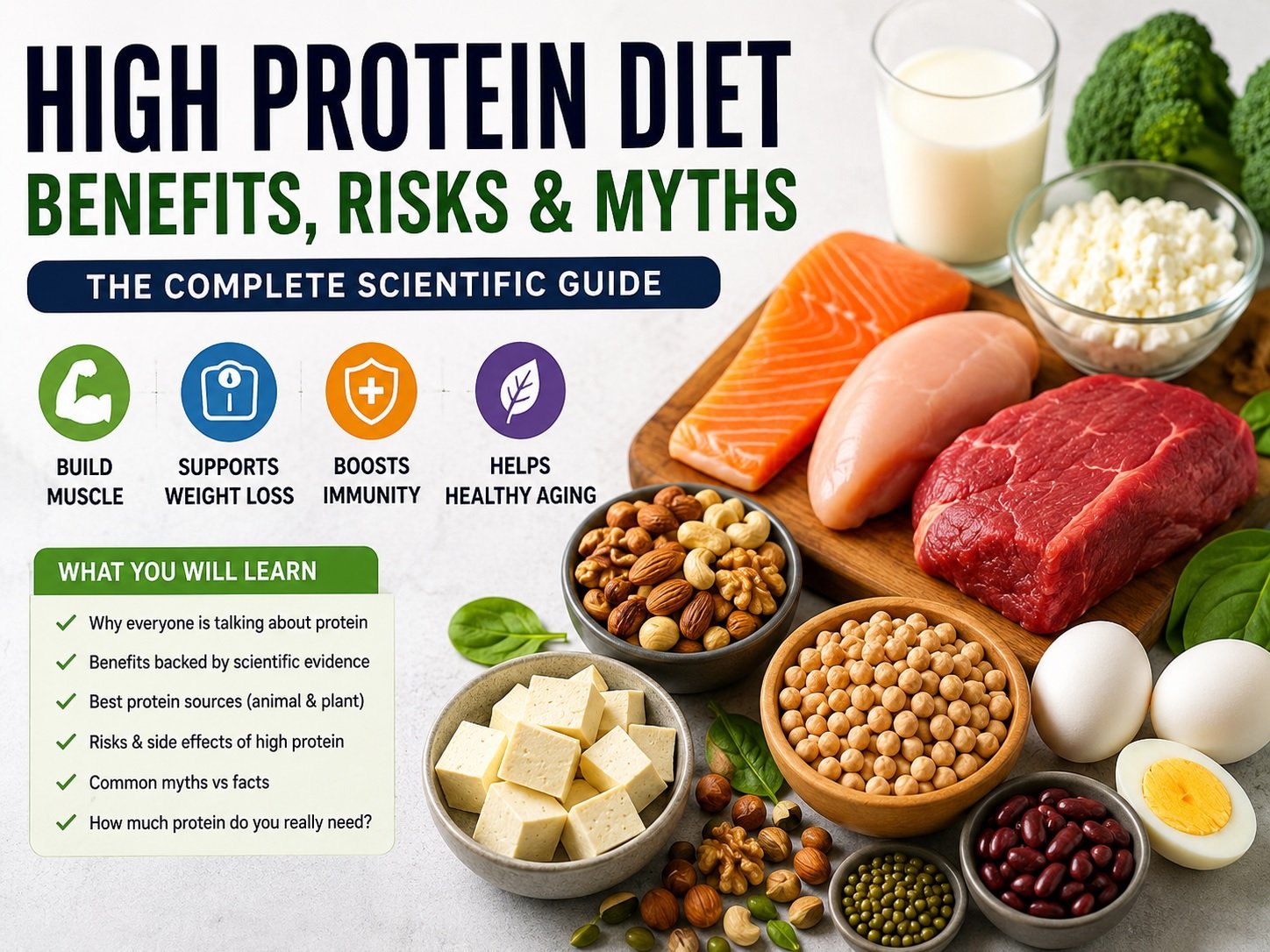
Reasons Why Everyone Is Suddenly Hyped About Protein
Unlike what was known in the past, protein has become one of the major topics nowadays. Social media sites are replete with information on high-protein dishes, drinks, protein coffees, protein desserts, and snacks. People become interested in learning about the contribution of protein to their well-being and physical condition.
Another reason why there is so much talk about protein now is the increasing popularity of weight loss. Scientific research proves that protein makes a person feel full for a longer time. Therefore, there is a reduction in total daily calorie consumption. Many people worry about maintaining muscle during weight loss processes. Unlike crash dieting, when protein is consumed in proper quantities, muscles are not affected. The phenomenon of healthy aging has contributed to people’s increased interest in protein. Scientists have found that people lose muscle mass (or muscle growth) with age.
Are We Truly Protein Deficient?
Protein deficiency is rare for healthy adults. Studies suggest that a majority of the people living in developed and developing countries can easily achieve their daily protein needs via their routine diets. According to studies, the problem is not a deficiency in protein but underconsumption of protein relative to the optimal amount needed for proper muscle function and recovery.
What Actually Occurs Within Your Body While Eating More Protein?
Most individuals tend to believe that something extraordinary will happen immediately after increasing their intake of protein. However, there is a specific process that occurs at various stages: the first week, month, and even year of consuming more protein.
Within the First Week
The first noticeable effect is the decreased feeling of hunger. Protein digestion is a lengthy process compared to carbohydrate digestion, which is why an increased intake of protein will help you to feel full for an extended period of time. Additionally, there might be some effects on the weighing scale. However, the reason for such weight changes is not the decrease in body fat; rather, this is due to the balance of water in the body. In case you have been substituting unhealthy products with protein-containing foods, your body will retain less water.
Within One Month
After a few weeks of getting sufficient protein in your diet, you will notice some changes in your body composition. Protein not only helps you maintain your muscles but also allows your body to burn fat at an increased rate when taken in combination with some form of exercise. People have reported having steady energy levels during the day. Unlike meals full of refined carbohydrates that give energy peaks and troughs, meals rich in protein are known to have steady energy levels because of balanced blood sugar levels. Improved recovery post-workout is another advantage of taking protein. They give amino acids, which help in repairing the muscle tissues.
After Several Months
With time, proper protein consumption proves to be vital in maintaining the muscle mass in our body. It becomes even more beneficial for us in cases of weight loss, as our body is more inclined to keep its muscle mass and use fat to produce energy.
Our metabolism also changes with time. The body burns more calories in digesting and processing protein than in the case of fats and carbohydrates. Although the difference in calories burned is not huge, it still plays some role in energy consumption.
In the long run, the right high-protein diet might help with age-related conditions, muscle strength, and weight, but the best results will be achieved if one combines protein consumption with proper physical activities and healthy eating habits.
Benefits of a High-Protein Diet Backed by Scientific Evidence
The list of potential benefits of consuming more protein does not stop at building muscle mass. Numerous studies confirm that protein has great importance in the regulation of appetite, weight loss, healthy aging, and general metabolism.
Improved Regulation of Appetite and Fewer Snacks
One of the most satiating macronutrients is protein. This nutrient slows down the process of digestion and increases hormones responsible for feeling fuller.
Facilitates Fat Loss Without Restrictive Diets
Individuals consuming adequate amounts of protein can easily maintain proper caloric intake since they feel full for a longer time. Therefore, this factor is helpful in gradual fat loss and does not require strict and difficult dieting.
Protects Muscle Mass During Fat Loss
During weight loss, a person may lose both muscle mass and fat. Increased protein intake will help preserve lean muscles if the individual follows a strength exercise regimen and is physically active.
Can Lead to Stable Blood Glucose Levels
Increased consumption of proteins might slow down carbohydrate absorption and thus provide a more stable energy level in a person during the day.
Promotes Healthy Aging and Recovery
The older you get, the more important it becomes to maintain muscle for strength, balance, and mobility. In addition, protein will provide you with the amino acids necessary for healing and recovery from your workouts.
What Makes Protein More than a Muscle-Building Nutrient?
The protein in your diet helps build the enzymes, hormones, immune cells, skin, hair, and virtually all the structures in your body. Put simply, protein plays an important role in almost everything the body does.
The Side Effects That Nobody Ever Told You About
Although there are a lot of positive aspects that are linked with protein, consuming protein too much and too fast may cause some unexpected side effects which are rarely mentioned in the high-protein nutrition topic.
Digestive Problems Other Than Constipation
Most people are aware that fiber deficiency causes constipation; however, there are other digestive problems that you might experience while switching to high-protein diet. The thing is, some people may have stomach pain, gas, indigestion, vomiting, or constipation due to a sudden increased consumption of protein.
Why Do Some People Experience Bloating While Consuming High Protein?
Many people who start consuming more protein may feel bloating. The reason for that is the excess amount of protein with the lack of water intake or presence of lactose, sugar alcohols, or artificial sweeteners in the protein powder.
Protein Overindulgence: Symptoms You Should Be Aware of
While healthy adults can easily incorporate more protein into their diets without any negative health consequences, eating too much on a constant basis can lead to constant bloating, digestive problems, constant thirst, bad breath, loss of appetite for other nutrient-rich foods, and an inability to keep a healthy balance. The key is not only to increase your protein intake but to do it properly.
High-Protein Diet Misconceptions that Should Die in 2026
Despite being one of the most studied nutrients, there are still a lot of misconceptions related to it. Let’s see what science says about it right now.
Misconception #1: Extra Protein = Extra Muscle Mass
Extra protein by itself is unlikely to lead to any increase in muscle mass because muscle mass growth requires not only eating extra protein but also doing some resistance training and having a proper calorie intake. After you provide your body with enough protein, extra amounts of protein won’t make your body build more muscle mass.
Misconception #2: Your Body Can Absorb Only 30 Grams of Protein at Once
Your body is capable of absorbing almost all the protein you are taking in. Even though there might be certain limitations to muscle protein synthesis when it comes to single meals, excessive protein intake is utilized for other purposes, like tissue repair, enzyme production, and providing your body with energy.
Misconception #3: High-Protein Intake Impairs Healthy Kidneys
According to recent studies, protein intake above the recommended amounts doesn’t negatively impact kidney health. People who have kidney disease might require different recommendations regarding protein intake.
Myth #4: Plant Protein Is of Poorer Quality
Plant proteins definitely can provide you with health benefits and help to maintain muscles. The examples of plant foods that include protein are lentils, beans, soy, tofu, tempeh, quinoa, nuts, and seeds. Consumption of different plant proteins will help you get a sufficient supply of amino acids.
Myth #5: Protein Powders Are Essential
It is convenient to use protein powders, but they are not necessary. You can obtain a sufficient amount of protein by consuming foods like eggs, dairy products, fish, chicken, legumes, soy, nuts, and seeds.
Myth #6: A High-Protein Intake Is Required Only by Athletes
In general, protein is necessary for everyone, not only for athletes. This nutrient is responsible for proper immune function, hormone regulation, tissue repair, the aging process, and maintenance of muscles.
Myth #7: Protein Helps Lose Weight on Its Own
Although protein can help you feel satiated and lose weight without losing muscle, protein alone cannot help you lose weight.
Protein from Animals vs Plant Sources: Which Is Superior in 2026?
According to new research studies, the point is not whether one type of protein is superior to another, but the choice of the correct ratio. Proteins from animal sources such as eggs, fish, dairy products, and lean meats usually contain high levels of all the necessary amino acids, whereas plant proteins come with the benefits of fiber, antioxidants, and plant substances for maintaining good health. Both can be beneficial for building muscles and overall health at appropriate levels. Nowadays, it is more important to concentrate not only on the amount of protein but also its quality.
How Much Protein Do You Actually Need?
Protein needs vary depending on age, activity level, health status, and personal goals. This is why a single recommendation does not work for everyone.
| Group | Recommended Protein Intake* |
|---|---|
| Sedentary Adults | 0.8–1.0 g per kg of body weight per day |
| Active Adults | 1.2–1.6 g per kg of body weight per day |
| Women Over 40 | 1.0–1.5 g per kg of body weight per day |
| Older Adults (65+) | 1.2–1.6 g per kg of body weight per day |
| Weight Loss Goals | 1.2–2.0 g per kg of body weight per day |
| Muscle-Building Goals | 1.6–2.2 g per kg of body weight per day |
Example: A person with a body weight of 75 kg may require:
- 60–75 g/day if mostly sedentary
- 90–120 g/day if physically active
- 120–165 g/day if aiming for muscle growth
Why is ” One Size Fits All ” protein recommendation unreasonable?
As stated above, the widely cited rule for protein consumption of 0.8 g of protein per kilogram of body weight is developed to avoid protein deficiency in a healthy individual but not to improve muscle recovery, maintenance, healthy aging, and other aspects of fitness and wellness. Different factors such as age, exercise habits, daily caloric intake, various diseases, and weight loss needs may modify protein needs in different ways, which is the reason why two individuals with the same body weight may have quite different protein needs.