It is not just an emotion, but stress can impact practically all parts of your body – your heart, digestion, sleep, immune system, hormonal balance, and even your brain. Knowing what stress does to your body is important, since its impact on your health can start with small warning signs that may gradually intensify over time. Many symptoms of physical stress might go unnoticed, and some chronic stress effects may take time to show up. Research has shown that chronic stress can keep cortisol levels elevated for long periods, which may affect sleep, immunity, blood sugar balance, and even how the body stores fat.
Key Effects of Stress on Your Body and Health
Physical effects of stress are no less than actual health issues.
Uncontrolled stress could impact your heart, digestion, sleep, hormones, and immune system.
Numerous common problems may be caused by physical stress symptoms.
The impact of stress on one’s health may become stronger with prolonged uncontrolled stress.
Some chronic stress effects may persist even after the stressful period has ended.
What Happens In Your Body During The Early Stages Of Stress?
In order to fully comprehend the effects of stress on your body, one needs to learn about what occurs during the early stages of stress. Whenever the brain perceives a threat to the safety of an individual, either physically or emotionally, due to factors such as deadlines, interpersonal disputes, or monetary constraints, it initiates the stress response.
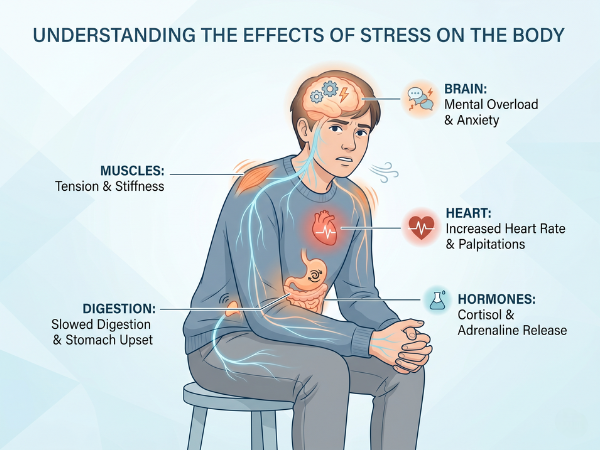
Also referred to as the fight or flight reaction, this response entails signaling the secretion of stress hormones, including adrenaline and cortisol by the brain. This causes an increase in heart rate, heightened alertness, and muscular preparations for action. Meanwhile, cortisol maintains the elevated alertness levels and alters energy use.
Despite being beneficial in the initial stages, this response might prove detrimental if it continues indefinitely.
Some Common Physical Symptoms of Stress That Get Ignored By People
What many people fail to understand is that there are physical symptoms of stress as well as psychological ones. The following are the common physical symptoms of stress:
Headaches and body pains can become a problem for stressed individuals. Body parts like the neck, shoulders, and jaw tend to be tight due to stress. In addition, stressed people may unknowingly clench their teeth.
The digestive system can suffer from stress. It can cause the digestive process to be affected, causing bloating, nausea, acidity, diarrhea, and constipation.
Another possible symptom of stress is fatigue. Even though stressed individuals may have gotten their quota of sleep, they still wake up feeling tired.
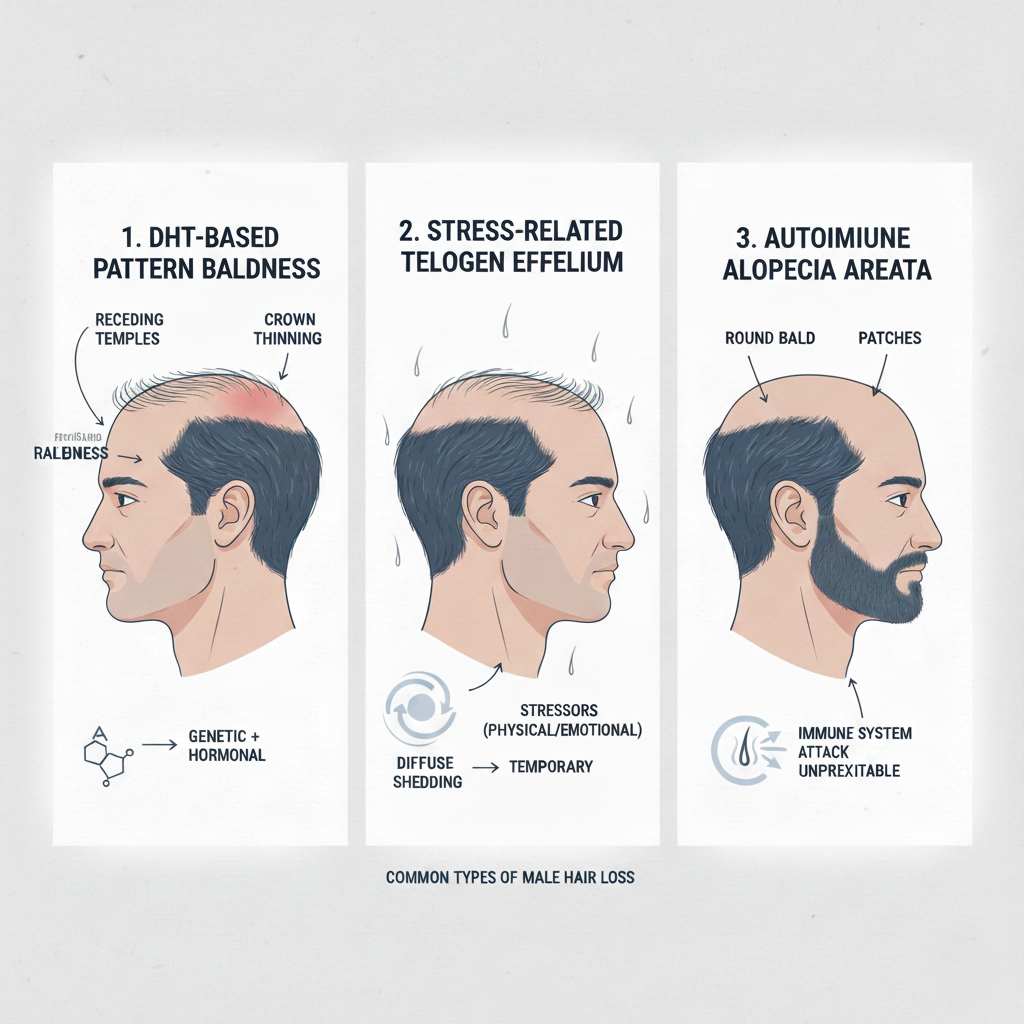
There are instances where the skin can also react to stress. This can include acne, itchiness, increased eczema symptoms, and stress-induced hair loss.
This list of physical symptoms of stress does not seem related at all.
Health Implications of Stress Extend Beyond Feelings of Being Overwhelmed
Effects of stress on health do not just involve mood or fatigue. Instead, stress can impact several bodily functions.
Heart and Blood Pressure
For instance, it is known that stress may temporarily increase heart rate and blood pressure. In cases where this occurs consistently, there are research findings linking stress to cardiovascular stress.
Immune and Inflammatory Response
Chronic stress may impact how the immune system works. Research is ongoing regarding potential impacts on inflammatory pathways linked to health concerns.
Hormonal Imbalances
Stress may result in hormonal imbalances. People might experience symptoms such as changes in hunger, menstruation, energy levels, and sleeping habits.
Metabolic and Blood Glucose Levels
Another effect of stress involves impacts on cortisol and blood glucose levels. This is part of why the health implications of stress include metabolic health.
The Impact of Stress on the Mind and Brain Functioning
Stress may also impact brain activity and lead to problems like brain fog and difficulties with concentration. It may also be associated with increased functioning of threat detection mechanisms in the brain that may cause people to feel anxious. The results of chronic stress might be related to mental and emotional exhaustion, including irritability, fatigue, and detachment. Stress may also negatively impact your ability to make decisions due to overloading your cognitive abilities. Thus, it becomes evident why physiological and psychological aspects of how stress impacts individuals are strongly interlinked.
Long-Term Stress Consequences That May Gradually Occur
Some long-term stress consequences take time to appear. Ongoing muscle strain can lead to chronic discomfort. Sleep disturbances can impact levels of energy, focus, and healing. Digestive symptoms might occur more often. Other researchers are exploring the possibility that chronic stress could result in nervous system dysregulation, causing difficulties regulating bodily responses to stress. Chronic stress consequences such as these underscore why ongoing stress should never be ignored just because its signs don’t seem overly concerning right away.
The Link Between the Gut and Brain: One More Consequence of Stress That Is Often Forgotten
Another area being explored is the link between the brain and the gut. Communication takes place continuously between the brain and the digestive tract, and stress can cause digestive troubles by disrupting this communication. For some individuals, stress can lead to a lack of appetite. For others, it means overeating. Digestive bloating can also happen due to stress. In other words, stress is known to negatively affect digestive sensitivity.
The Impact of Chronic Stress on Sensitive Responses to Pain
Another topic that merits further exploration is the effect of stress on pain sensitivity.
Current studies investigate the potential for chronic stress to increase one’s normal responses or increase discomfort tolerance.
Some individuals find body pain to be more intense during stressful episodes.
Other individuals experience a heightened awareness of otherwise negligible physical sensations.
Studies are looking at how chronic stress impacts the pain pathways of the body.
It offers another perspective on the impact of stress on health, particularly in situations where the affected individual recognizes the symptoms but cannot explain the increased level of discomfort experienced due to stress.
Physical Symptoms That Stress Might Be Impacting Your Body Without You Realizing It
There are times when stress does not appear obvious, but rather presents itself in trends.
These include:
- Feeling constantly tired.
- Experiencing continuous digestive disturbances.
- Feeling constantly tired even when well-rested.
- Feeling tense muscles continuously.
- Getting constant headaches.
Can the Body Recover from Stress Damage?
In many instances, recovery can commence after stress loads have been lowered. Improvements in sleep can help reverse certain recovery mechanisms. Exercise may aid in the regulation of stress. Relaxation techniques may aid certain individuals in exiting chronic stress activation. Management of ongoing stress triggers can also be as significant as symptom management. Many long-term damages caused by stress may be improved when stress is addressed earlier, although recovery will depend on the individual.
When Should Symptoms of Stress Not Be Overlooked?
Even if stress causes several symptoms, every symptom does not have to automatically be associated with stress.
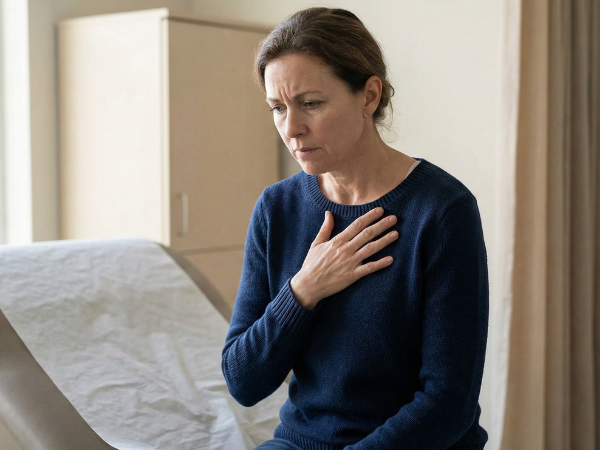
- Chronic chest pains should always be considered carefully.
- Severe or chronic digestive complaints should always be examined.
- Significant loss of sleep interfering with daily functioning should never be ignored.
- Intense anxiety or panic symptoms may require professional assistance.
The reason behind this is that sometimes symptoms associated with stress can occur with other disorders.
Reasons for Why Stress in 2026 Is Seen in a Broader Context
Stress is being recognized in terms of more than mental wellbeing issues.
Scientists have been addressing stress in connection with the inflammatory processes, nervous system balance, digestion, metabolism, and even symptomology.
Such an approach matters since it will alter the way people perceive the impact of stress on their overall well-being.
For example, instead of just considering stress as experiencing some sort of overload, people will be able to understand that the impact of stress is often physical.
Daily Habits That Can Increase Your Stress Burden
In 2026, the concept of stress might change as people will learn that there is no need to have stressful events in order to experience the impact of stress.
- Lack of sleep.
- Missed meals.
- Screen addiction.
- Multitasking.
- No rest periods.
These factors can increase stress burden daily.
Why Stress Symptoms Often Confused With Other Conditions?
One cause for stress symptoms being hard to figure out is that they can easily be confused with other problems.
- Stress headaches might come off as migraines.
- Stress bloating could appear to be due to food intake.
- Stress fatigue may appear as general tiredness.
- Chest tightness caused by stress may alarm the individual.
As physical symptoms of stress tend to resemble independent medical issues, they are usually treated as singular symptoms rather than symptoms of a condition that affects the whole body.
Conclusion
Stress does not merely impact emotions. It can influence heart rate, digestive system, hormones, immunity, sleeping patterns, brain activity, and pain sensitivity. Getting to know the influence stress has on your body can assist you in becoming more mindful of its effects. The consequences of stress might start off very subtly, however, if you allow stress to continue in your life, it will have negative effects on your health later on.