Deficiency in fibre is becoming more common despite efforts made to incorporate healthier foods into their diets by many individuals. This trend results from the high concentration on protein-based food items in current dietary regimes, with little consideration of the quantity of fibre consumed. The disparity between protein consumption and fibre consumption keeps on increasing. It is important to note that the majority of adults fail to meet the required fibre consumption rate, which is vital in maintaining good health. The consumption of more fiber has been associated with a significantly reduced risk of developing coronary heart disease, type 2 diabetes, stroke, and colorectal cancer, according to a 2019 Lancet study of 185 studies. Knowing about fibre and its importance is crucial since fibre is responsible for ensuring normal excretion, regulating sugar in the bloodstream, maintaining heart wellness, and serving as an energy source for the good bacteria found in the stomach. Studies carried out by The Lancet show a correlation between fibre intake and good health.
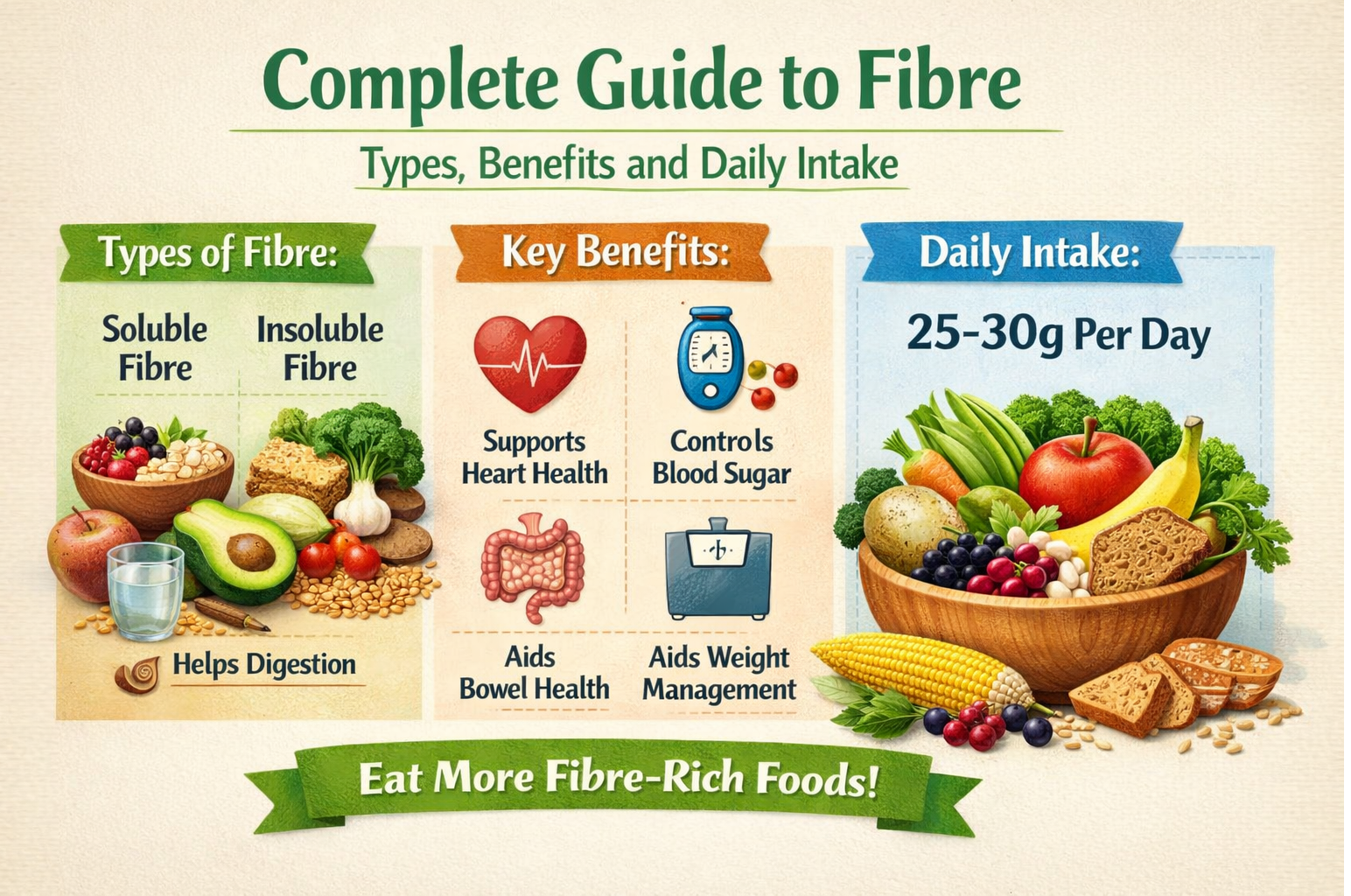
What Is Fibre and Why Does Your Body Need It?
Fibre is another class of carbohydrate found in plant-based foods, including fruits, vegetables, whole grains, legumes, nuts, and seeds. Unlike other carbohydrates, fibre is not digested or absorbed in the body; it passes through the digestive system without being changed. In other words, fibre is not used in the same way as other carbohydrates in terms of nutrition, but it is an essential element for general health.
As fibre passes through the digestive system, it adds weight to faeces, aids in stool passage, and promotes intestinal health. As mentioned above, there are different types of fibre, each working in its unique way, such as absorbing water and forming gel, and helping food pass smoothly through the intestines.
Current studies have revealed that fibre is helpful for more than just digestion in the body. Scientists have discovered that it helps feed good bacteria, improves blood sugar regulation, promotes cardiovascular health, and lowers the risk of developing chronic conditions. According to the findings of a study conducted in 2024 and published in Nutrients, increased fibre consumption leads to better microbiome diversity and improved metabolic health.
Understanding the Different Types of Fibre
Fibre comes in many forms, and each performs specific roles within the body. For example, some kinds of fibre are used to regulate one’s cholesterol levels, some help maintain a healthy digestive function, and others provide nourishment to the friendly bacteria present in the digestive tract.
Types of Fibre: Soluble Fibre
Soluble fibre dissolves in water, forming a gel substance that slows down digestion in the process.
Functions of soluble fibre:
- Acts as a sponge that absorbs water, thereby making the stool softer.
- Lowers levels of LDL (“bad”) cholesterol.
- Reduces the rate of sugar absorption into the bloodstream.
- Regulates glucose metabolism.
- May reduce appetite due to slower food absorption.
Sources include oats, barley, apples, oranges, beans, legumes, and chia seeds.
Types of Fibre: Insoluble Fibre
Insoluble fiber doesn’t dissolve in water. Instead, it adds weight to the feces and improves the speed of movement of food through the gastrointestinal tract.
The advantages of insoluble fiber are:
- Facilitation of bowel movements.
- Prevention of constipation.
- Positive effect on general digestive health.
- Speeding up the process of waste transit.
- Promoting the proper functioning of the bowels.
Whole wheat, wheat bran, brown rice, nuts, seeds, and various vegetables are rich in insoluble fiber.
Prebiotic Fiber
Prebiotic fiber is a unique form of fiber that serves as the food for beneficial microflora inhabiting the gut. With the digestion of prebiotic fiber by beneficial microorganisms, short-chain fatty acids (SCFA), which are vital for good gut and overall health, are produced.
The advantages of prebiotic fiber are:
- Provides nourishment to beneficial microorganisms.
- Improves gut flora composition.
- Contributes to the formation of SCFAs like butyrate.
- Improve immune health.
- Can help decrease inflammatory processes in the body.
Various vegetables, including garlic, onions, leeks, asparagus, bananas, chicory root, and oats, contain prebiotic fibers.
What has recent research found?
Recent studies have found that the effects of prebiotic fibre extend beyond digestive health. According to a review article published in Nutrients in 2024, increased consumption of prebiotic fibre was linked with more diverse gut microbiomes, enhanced metabolism, and improved gut barrier integrity. It is for this reason that nutritionists consider fibre to be an essential nutrient for overall body health.
Types of Fibre at a Glance
| Type | Main Function | Best Sources |
|---|---|---|
| Soluble | Slows digestion | Oats, apples, beans |
| Insoluble | Adds bulk to stool | Whole grains, vegetables |
| Prebiotic | Feeds gut bacteria | Garlic, onion, banana |
Fibre Benefits Not Only Limited to Digestive Health
Whereas the common misconception is that fibre is important only when it comes to constipation management, there is evidence showing that fibre has multiple impacts throughout the human body, from cardiovascular health to blood glucose regulation.
The key benefits of dietary fibre include:
- Maintenance of regular and optimal bowel activity.
- Improving LDL cholesterol concentration.
- Reducing sugar absorption and stabilizing blood glucose.
- Assisting in weight management via reduced snacking and increased feelings of satiety.
- Promoting good cholesterol concentrations and blood pressure levels, which helps with heart health maintenance.
- Feeding beneficial bacteria in the gut.
- Facilitating better gut microbiota and metabolism regulation.
According to a recent publication in the scientific journal Nutrients (2024), dietary fibre was linked with greater gut microbiome diversity, more favorable cholesterol levels, and enhanced metabolic state parameters.
Fiber and Metabolism
The term “metabolic health” describes the process that takes place in the body in terms of blood sugar, cholesterol levels, blood pressure, and body weight regulation. In relation to these processes, fiber plays an essential role.
Since fiber slows down the rate at which food passes through the digestive system, sugar gradually gets into the bloodstream. Soluble fiber can also aid in lowering cholesterol since it combines with cholesterol molecules in the digestive system.
Individuals who include sufficient amounts of fiber in their daily diets usually experience satiation following the intake of food, which aids in maintaining healthy body weight. Fiber consumption also reduces the likelihood of obesity and metabolic syndrome.
The Role of Fibre in Chronic Disease Prevention
Scientists have established that fibre is among the top essential nutrients for disease prevention and good health in the long run. Diets high in fibre content have been shown to offer protection against various chronic ailments.
According to research findings featured in The Lancet, people who consumed more fibre were at a considerably reduced risk of coronary heart disease, strokes, type 2 diabetes, and colon cancer than those with a low consumption of fibre.
It is thought that the benefits of fibre intake are brought about by several mechanisms, such as improving digestive tract health, regulating blood glucose levels, reducing inflammation, maintaining proper cholesterol levels, and promoting the growth of favourable gut bacteria.
Fiber Contribution to Gut Microbiome Wellbeing in 2026
Gut microbiome is the name for the collection of bacteria, fungi, and other microorganisms found within the gastrointestinal tract. In 2026, experts continue to emphasize the strong relationship between fiber and gut wellbeing. Eating a diet high in fiber means providing bacteria and other organisms in your gut with nutrients needed to survive and thrive.
Once they consume fiber, they produce a substance known as short-chain fatty acids (SCFA). Such substances ensure proper functioning of the intestinal wall, assist with digestion, and have many health benefits. A healthy gut microbiome has been associated with improved metabolic processes, enhanced immune function, and decreased levels of inflammation.
In 2025, one article in Frontiers in Nutrition revealed that increased fiber intake helps maintain more microbial diversity.
Why is Gut Diversity Important?
Gut diversity can be defined as having multiple strains of beneficial bacteria in the body. Experts have found out that having high gut diversity is one of the important characteristics of having a healthy gut.
Advantages of Gut Diversity include:
- Having efficient food digestion and absorption.
- Having an efficient immune response.
- Protection against harmful bacteria.
- Reduced risk of chronic inflammation.
- Good metabolism.
- Improved brain-gut connection.
Dietary Fibre Foods That Fuel Beneficial Bacteria
Not all food feeds beneficial gut bacteria in the same way. Some foods are high in dietary fibre and particularly important in that they include prebiotic fibre that provides the fuel for good microbes.
The following list includes foods that are important in feeding good gut bacteria.
- Garlic
- Onions
- Leeks
- Asparagus
- Bananas
- Oats
- Apples
- Lentils
- Chickpeas
- Beans
- Flaxseeds
- Chia seeds
Incorporating such foods into a fibre-rich diet will help you to feed various microbial species instead of only a few. Recent research shows that experts now advise us to focus on diversity in plants because consuming various fibrous foods is more beneficial than eating just a couple of high-fibre foods.
Adequate Consumption of Fibre: Know Your Daily Fibre Intake
While there is increased emphasis on a balanced diet, most individuals fail to consume their recommended daily fibre intake. While many diets have adequate protein and caloric intake, the inclusion of high-fibre foods such as fruits, vegetables, whole grains, nuts, legumes, and seeds remains insufficient.
The suggested daily intake of fibre is:
| Age Group | Recommended Daily Fibre Intake |
|---|
| Adult Women | 25–28 grams |
| Adult Men | 30–38 grams |
| Teen Girls (14–18 years) | 25–26 grams |
| Teen Boys (14–18 years) | 31–38 grams |
| Children (4–13 years) | 19–31 grams |
| Older Adults | Around 21–30 grams, depending on age and activity level |
However, many individuals fall well short of these guidelines. Various studies from different nations indicate that the average daily intake of dietary fiber may be significantly lower than 20 grams, which results in insufficient fiber intake.
Recommended Fiber Intake for Men
Men are believed to have greater energy demands, which means they need more fiber. The recommended amount of fiber is 30 to 38 grams per day for men, which can contribute to their overall health and heart function.
Recommended Fiber Intake for Women
It is believed that women require 25 to 28 grams of fiber intake per day for optimal health. Consuming sufficient amounts of dietary fiber is essential for good metabolism and overall well-being.
Children and Teenagers
Since children and teenagers experience active growth processes, fiber plays an important role in maintaining their digestive system and establishing eating habits.
Older Adults
The aging process brings about physiological changes in addition to reduced physical activity, making one prone to experiencing constipation and other gut disorders. Sustaining sufficient dietary fiber intake as well as drinking enough water may assist in maintaining regular bowel movement.
Science Alert: According to a 2023 systematic review published in the Nutrients journal, global consumption of fiber is much below the required amount across all population groups, although ample evidence exists on the health benefits associated with increased fiber intake.
Recommended Daily Fibre Intake
| Age Group | Daily Requirement |
|---|
| Adult Women | 25–30g |
| Adult Men | 30–38g |
| Teenagers | 25–35g |
| Older Adults | 21–30g |
Top Fibre-Rich Foods
| Food | Fibre per 100g |
|---|
| Chia Seeds | High |
| Lentils | High |
| Oats | Moderate |
| Apple | Moderate |
| Broccoli | Moderate |
Sum up,
Fibre is not merely a dietary component that prevents constipation. Among numerous fibre advantages, there are better gastrointestinal function, lower cholesterol, stabilized blood sugar levels, healthy heart activity, efficient weight management, and improved gut microbiota functioning. The research evidence keeps proving that fibre is essential for health and well-being, not only in the short run but throughout one’s life.
The knowledge of various kinds of fibre is crucial since each kind provides the body with particular benefits. Thus, soluble fibre is beneficial for cholesterol and glucose levels, while insoluble fibre facilitates bowel movements, and prebiotic fibre feeds friendly bacteria in the intestines. Fruit, vegetables, legumes, whole grains, nuts, and seeds all offer a wide range of vitamins, minerals, antioxidants, and other nutrients apart from dietary fibre. An optimal fibre-rich diet based on a diverse consumption of those foods will make your gastrointestinal system, metabolic, and immune processes work effectively for years to come.