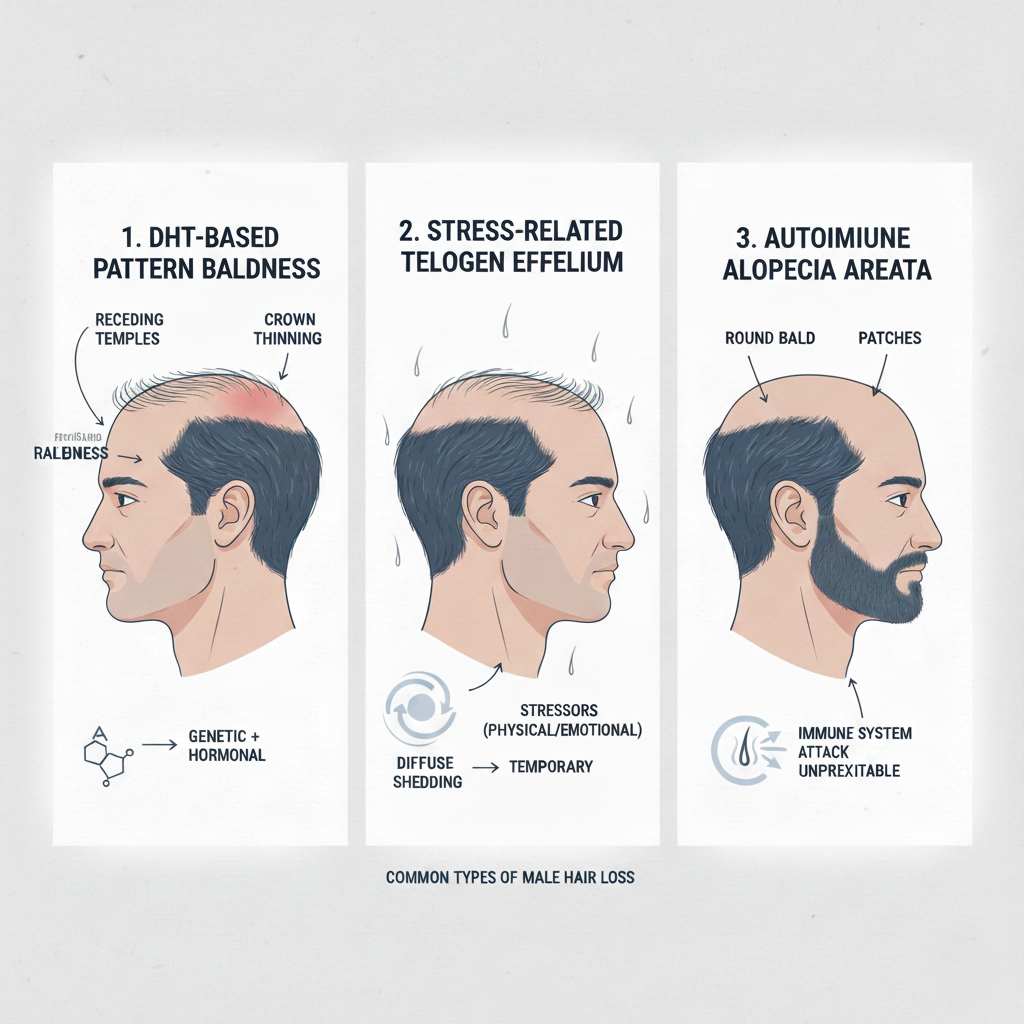
Stress impacts our brains, hormones, sleep, digestion, and immune systems. Successful methods for managing stress involve both short-term methods, such as breathwork and exercise, and long-term practices, such as better sleep, setting boundaries, and calming our nervous systems. Learning how to relieve stress means that we do not aim to eliminate stressors from our lives, but rather improve our body’s ability to handle them.
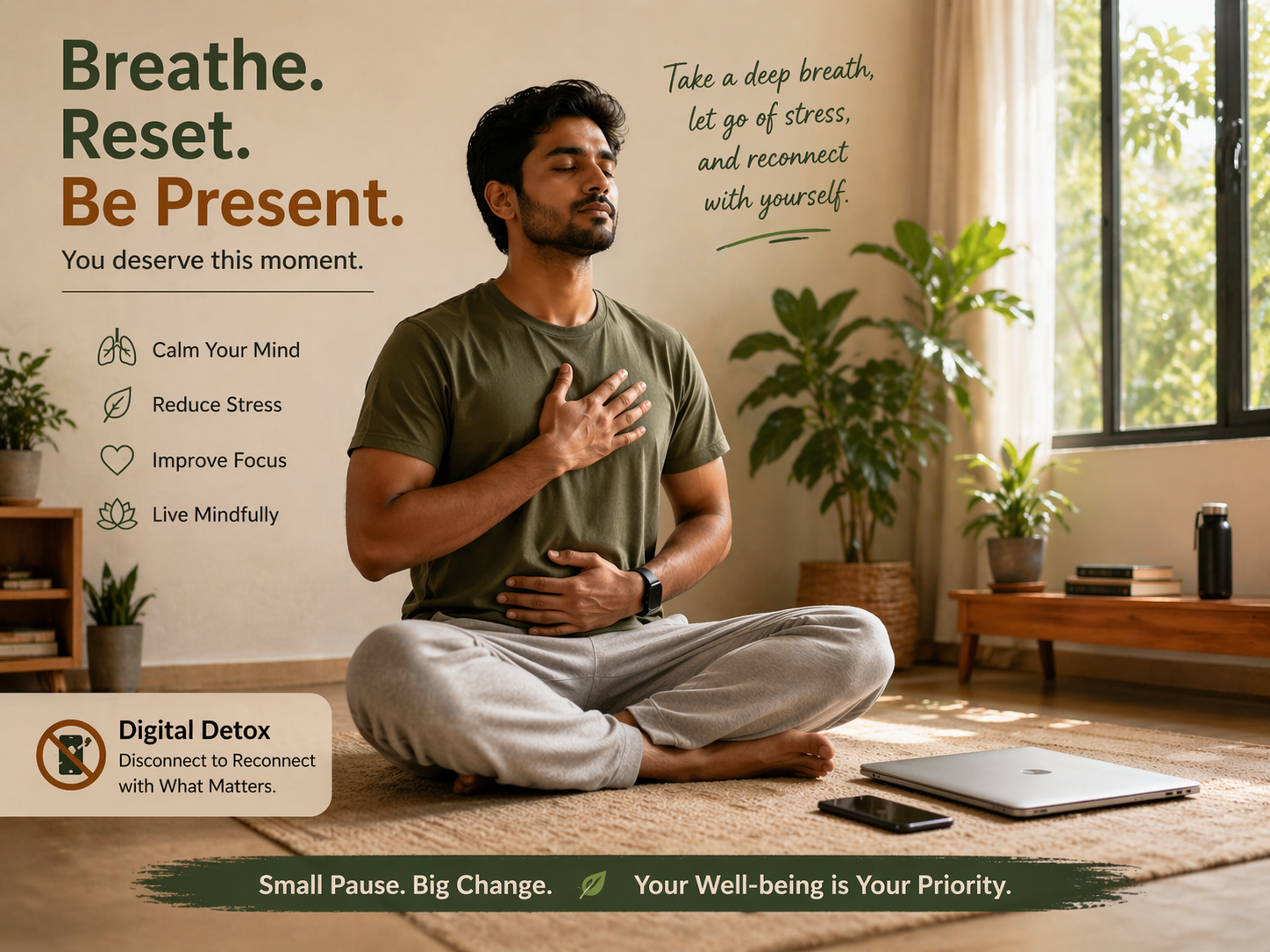
Essential Stress Management Insights You Should Know
- Stress can be effectively handled through everyday practices.
- Breathwork and exercise continue to be popular stress management strategies.
- Better sleep and digital boundaries are two of the best methods for managing stress.
- Regulating the nervous system emerges as an increasingly popular 2026 technique.
- Consistent small changes prove more successful than infrequent large changes.
Modern Stress vs Past Stress
The stress we experience today is often perpetual rather than sporadic. Work-related stress, financial insecurity, familial duties, social media, and the need to be constantly contactable put the body on alert all the time. As a result, one’s level of cortisol and adrenaline stays elevated longer than usual.
Evidence-based fact: Chronic stress has been shown by scientific studies to lead to higher cortisol levels, affecting people’s sleep, fat deposition in their abdomen, high blood pressure, and immune system function.
For this reason, the methods used today for managing modern stress cannot be based solely on “positive thinking.”
1. Controlled breathing helps relieve stress reactions
One of the quickest solutions for stress management is deep breathing.
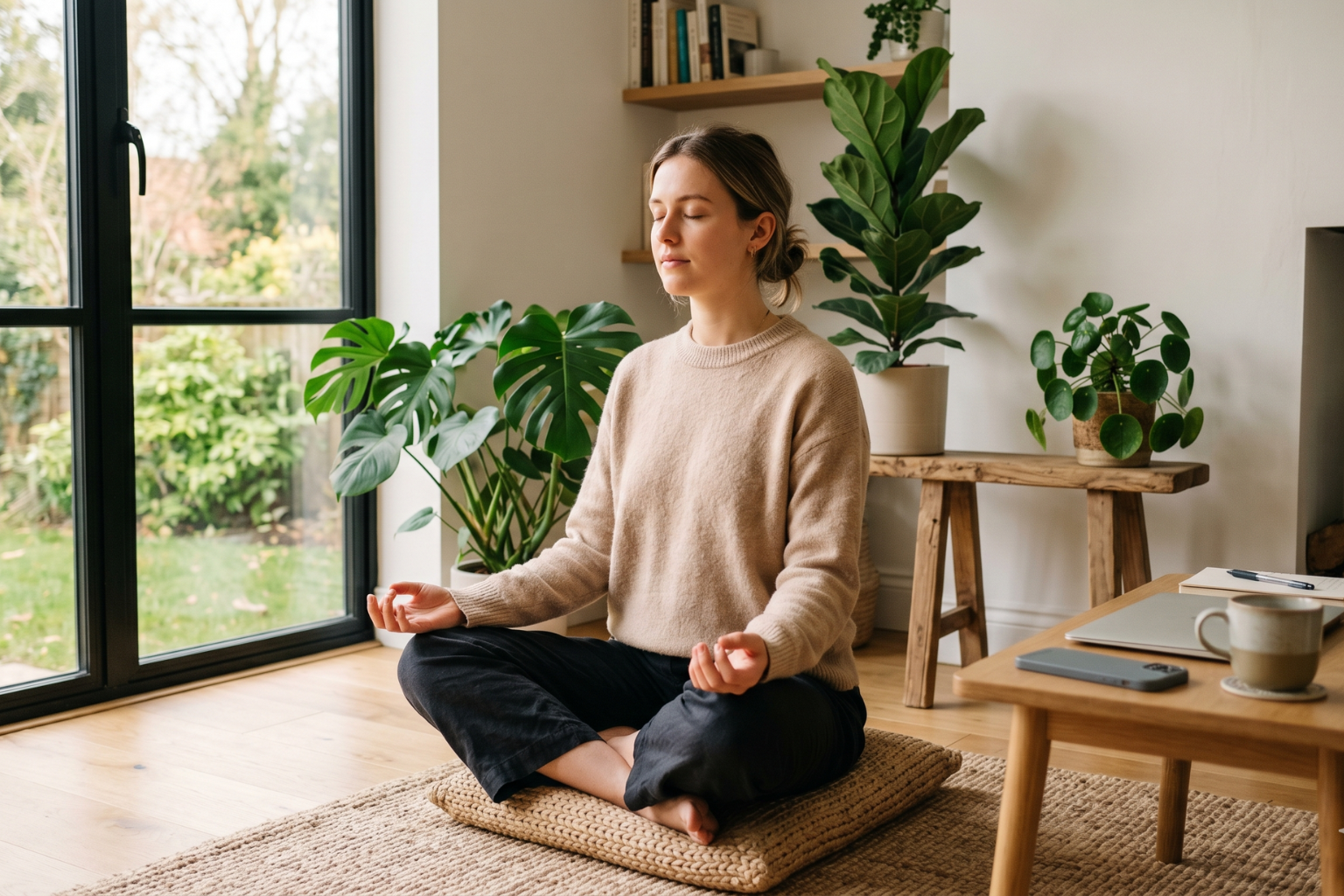
Practice:
Box breathing technique (4-4-4-4)
4-6 breathing
Diaphragmatic breathing
Deep breaths will help you move your body into a relaxed state. Studies have found that deep breathing might help activate the parasympathetic nervous system and reduce the heart rate. This strategy remains one of the easiest for stress management among all available techniques.
2. Moving Your Body Can Help Alleviate Stress
Stress is not only mental but may be manifested physically by clenching jaws, feeling neck pain, shortness of breath, fatigue, or restlessness.
Exercise like walking, yoga, weight lifting, or dancing can help.
Research-based statement 3: Physical activity has been linked to better mood in part due to increased endorphin levels and could help regulate stress-related hormone levels.
The first response when asked how to alleviate stress naturally would include physical movement.
For example, a 20–30 minute brisk walk can help with recovery.
3. Learn to Manage Time Instead of Letting Time Manage You
Sometimes stress does not come from the amount of work but rather the lack of organization.
Effective approaches for managing stress by organizing include:
Time blocking
Breaking big jobs into small segments
Not trying to do everything simultaneously
Setting realistic daily priorities
Most methods of stress management neglect practical organization.
Seeing that there is a plan decreases perception of threats significantly.
4. Get Better Sleep to Reduce Stress Reaction
Insufficient sleep may amplify common problems.
Effective tips to combat stress related to sleep:
Go to bed at fixed hours
Minimize screen exposure before sleep
Minimize nighttime caffeine intake
Darkness and low temperatures in the bedroom
Statement 4 from the literature: Sleep studies have demonstrated that insufficient sleep may result in emotional sensitivity to stressors on the following day.
Sleep plays a vital role when dealing with stress.
5. Alter Thoughts to Reduce the Severity of Stressors
Not all stressors mean the same thing as we see them.
Example:
“I am going to fail.”
Alternative thought: “This is challenging, but I can overcome it.”
The technique described above is known as cognitive reframing.
One of the best methods to manage stress because it affects our reaction to it.
Statement 5 from the literature: Cognitive-behavioral studies have indicated that reframing is effective in reducing stress.
6. Mitigate Digital Stress and Information Overload
This is a huge 2026 topic.
Excessive notifications, scrolling, and comparing can cause the brain to remain overly stimulated.
Stress management strategies for digital overload:
Switch off unnecessary notifications
Create phone-free areas
Avoid night-time doomscrolling
Set application time constraints
The latest techniques for managing stress were not available in the previous stress management guides.
Digital overload is a legitimate source of stress for many individuals.
7. Leverage Social Support as a Stress Buffer
A conversation with an individual you trust will help relieve emotional stress.
Social support can come from:
- Friends
- Family
- Mentors
- Therapists
Individuals tend to seek methods for stress reduction individually, yet support is frequently involved in the process. It has been widely acknowledged that social interaction is a helpful buffer in times of stress.
8. Progressive Muscle Relaxation May Ease Physical Stress
This relaxation method requires tensing and then releasing muscle groups.
Begin with your feet and proceed upward.
This can benefit:
Body stress
Tension headaches
Restlessness
Difficulty relaxing at night
Among the less common stress reduction methods, this one is surprisingly potent.
9. Take Micro-Rest Breaks Throughout Your Day
Avoid waiting until you feel burned out.
Try micro-rest techniques:
5-min walk
Stretching break
Break from the computer screen
Tea break
2-min deep breaths
Here are some simple techniques for managing stress.
10. Create Your Own Personal Stress Kit
Different stressors require different techniques.
Your personal stress kit could consist of:
Panic – breathing
Irritability – walking
Overthinking – journaling
Overload – boundaries
Exhaustion – sleep hygiene
Personalized stress management techniques are often more effective than generalized tips.
New 2026 Section: Nervous System Recovery Training
It is a rapidly evolving topic that is yet to make its way onto many popular blogs.
Stress management is shifting away from relaxation techniques towards nervous system regulation.
Some examples:
Humming to activate vagal nerves
Grounding activities
Shaking or releasing tension
Cold water face splash
Long exhalation techniques
This new method is getting traction since not all stress issues can be addressed solely through mindsets. It could provide solutions for some individuals who are trying to figure out ways to alleviate stress.
Foods and Behaviors That Help Manage Stress
While food doesn’t cure stress, it may help the body handle it better.
Good behaviors include:
Staying hydrated
Not overdoing caffeine if it contributes to stress
Eating foods high in magnesium
Eating well-balanced meals to avoid energy lows
Some feel that eating high amounts of caffeine along with sleeping poorly increases their stress.
Things That Make Stress Worse
These are some of the things that we shouldn’t do:
Overlooking early signs of being overloaded
Consuming alcohol as a way of dealing with stress
Not getting enough rest at night
Saying yes to everything that comes your way
Being on social media all day long is an emotional escape
| Technique | Fast Relief | Long-Term Support |
|---|
| Deep Breathing | Yes | Yes |
| Exercise | Moderate | Yes |
| Sleep Improvement | No | Yes |
| Digital Boundaries | Moderate | Yes |
| Muscle Relaxation | Yes | Moderate |
| Nervous System Recovery | Yes | Yes |
Signs Indicating When to Seek Professional Aid for Stress
There are times when self-help is simply not sufficient.
Consulting an expert can be helpful if your stress is accompanied by:
Attacks of panic
Inability to get adequate sleep all the time
Anxiety-induced chest pressure
Indigestion from stress
Professional and personal life disruptions
An overwhelming feeling most of the time
A Basic Daily Stress Management Routine
Morning
5 minutes of breathing exercises
20-minute walk
No use of mobile phones in the first 30 minutes
Afternoon
One short recovery session
Healthy balanced lunch
Don’t try to do too many things at once
Evening
Less screen time
Stretching exercise
Relaxing before sleeping
Conclusion
Stress cannot be managed using just one particular way. It is the combination of all the methods that will help in the management of stress effectively. Breathing, exercise, sleep, positive thinking, setting boundaries, and rest for the nervous system are effective stress management strategies. In the case of learning to handle stress, begin gradually by using one or two adjustments at a time. Simple stress management suggestions will eventually become an effective way of managing stress over time.