The average pulse rate for a healthy adult at rest lies between 60 and 100 BPM. But a normal pulse rate can differ based on factors like age, fitness levels, medication, and general well-being. In case of tachycardia or bradycardia, along with other symptoms like dizziness, chest pain, or fainting, a person needs to seek advice from a doctor.

Key Takeaways
- Normal resting pulse rate for most people is 60-100 BPM.
- Children have a faster heartbeat than adults.
- An athlete’s pulse rate at rest can be below 60 BPM and still be normal.
- Persistent low or high pulse rate can be a sign of a medical condition.
- Chest pain, breathlessness, dizziness, or fainting should not be ignored.
- Knowing one’s normal pulse helps detect any heart problems early.
Introduction
Your heart beats several thousand times daily to pump oxygen-filled blood all over the body. This beating results in the formation of your pulse, which you can feel on your wrists or neck.
While a lot of people pay regular attention to their blood pressure, they tend to ignore the pulse rate. Nevertheless, sometimes your pulse rate changes can serve as an indicator of your health condition. Neither a high nor a low pulse rate may be alarming because physical exercise, stress, emotions, body temperature, medication, and dehydration can influence your pulse rate temporarily.
The problem appears when your pulse rate keeps changing unusually without any reason, or it is combined with other symptoms, such as dizzy feelings, chest pains, shortness of breath, or fainting. Knowing the normal values and learning when it is time to see the doctor may help detect some heart disorders and other diseases in time.
Pulse Rate: What Is It?
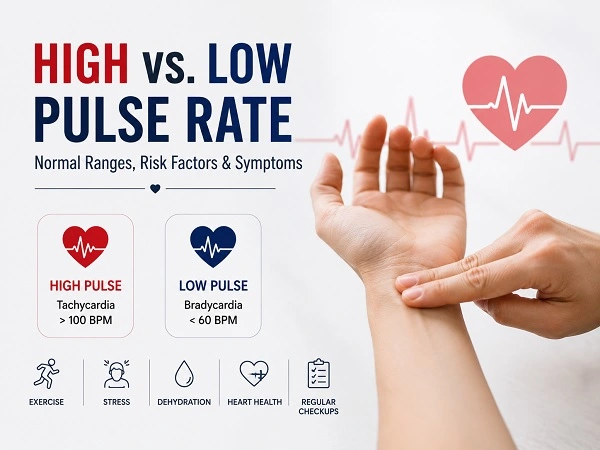
Pulse rate is another name for heart rate. It is the frequency with which your heart contracts within one minute. With each contraction, your heart sends blood through your body, and the walls of your arteries slightly expand. It allows you to feel your pulse by pressing two fingers against your wrist or carotid artery.
Numerous factors affect your pulse rate:
- Age
- Exercise
- Fitness
- Body temperature
- Stress
- Medications
- Medical problems, for example, thyroid disorders or heart disease
Your pulse rate increases when you engage in exercise since your muscles require more oxygen. When you allow your body to relax, your heart rate lowers.
How to Take Your Pulse?
Measuring your pulse from home is an easy task and should not take more than one minute.
Do the following:
- Sit calmly for at least five minutes before taking your pulse.
- Put your index and middle finger on either your wrist or neck.
- Record the number of pulses for 30 seconds.
- Double the number to determine the beats per minute.
To get the most accurate result, measure your pulse in a relaxed state without exercising or being stressed.
Normal Pulse Rates at Different Ages?
It is a fact that heart rate varies as we grow older. Infants and children usually have faster heart rates because they are still growing both physically and mentally. Older people experience slower heart rates. The following is the normal pulse rate chart according to age.
| Age Group | Normal Resting Pulse Rate (BPM) |
|---|---|
| Newborn (0–1 month) | 100–160 |
| Infant (1–12 months) | 100–150 |
| Toddler (1–3 years) | 90–140 |
| Preschool (3–5 years) | 80–120 |
| School-age (6–12 years) | 70–110 |
| Teenagers | 60–100 |
| Adults | 60–100 |
| Well-trained athletes | 40–60 (may be normal) |
Why Do Your Pulse Rates Fluctuate?
It is absolutely natural that your pulse rate changes during the day.
Here are some activities that may raise your pulse rate:
- Exercising
- Feeling stressed or excited
- Consuming caffeine-containing products such as coffee and energy drinks
- Having a fever
- Having pain
- Being dehydrated
And here are the activities that may lower your pulse rate:
- Sleeping
- Taking time to relax
- Meditation
- Recovery after exercises
Highly trained athletes usually have slower pulse rates due to efficient blood pumping by the heart. In most cases, it means only the presence of good cardiovascular conditioning. What you should pay attention to is the unusual persistence of a high or low pulse rate and other symptoms that accompany it.
Under What Circumstances Can a Heart Rate Be Classified As Abnormal?
One high or low reading of pulse does not necessarily indicate an abnormal heartbeat.
Yet, a doctor may decide to do some tests in case:
- Your pulse at rest is constantly higher than 100 beats per minute.
- Your pulse at rest is constantly lower than 60 beats per minute, and you are not an athlete.
- Your heart beats irregularly.
- You have accompanying symptoms.
An abnormal pulse could sometimes be connected with infection, dehydration, thyroid problems, heart rhythm disorders, certain medications, and other illnesses. Since pulse is only one indicator of a heart condition, doctors pay attention to the symptoms, medical background, physical examination, and other test results.
Causes of High Pulse Rate
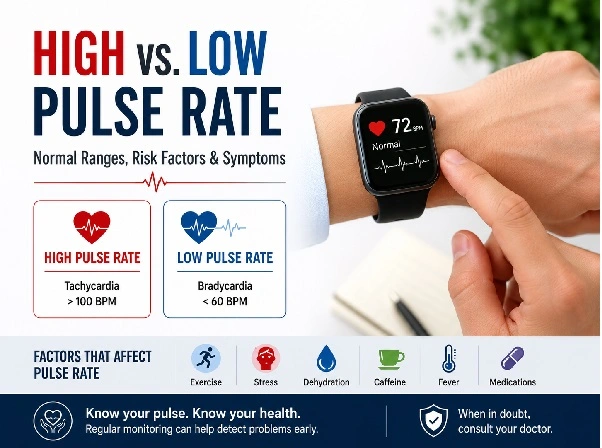
High pulse rate or tachycardia occurs when the heart rate is too fast. In most cases, a resting heart rate of more than 100 beats per minute (BPM) is considered high.
A temporary rise in the pulse does not pose a serious health risk. When one exercises, experiences emotional or mental stress, or gets excited, the pulse rate goes up as there is increased need for oxygen and energy. However, once the stressor goes away, the pulse rate becomes normal.
But if the pulse stays elevated even after resting or if it frequently goes up for no obvious reason, then one should see a doctor to find out what caused that.
Causes of Elevated Heart Rate
Some common causes that raise the pulse rate include:
- Physical exertion
- Stress
- Infection or fever
- Dehydration
- Too much caffeine
- Nicotine use
- Alcohol use
- Medications such as nasal sprays and asthma medications
- Hyperthyroidism
- Anemia
- Arrhythmias
Sometimes, there can be more than one cause responsible for a high pulse. A patient who has both dehydration and fever will experience a much higher pulse than usual.
High Pulse Symptoms
Having a temporary increase in heart rate following exercise is totally normal. But having a high heart rate all the time and with other symptoms is not to be overlooked.
Some typical high pulse symptoms are:
- Racing or pounding heart
- Palpitations
- Shortness of breath
- Discomfort or pain in the chest area
- Dizziness or lightheadedness
- Feeling faint or even fainting
- Unusual sweating
- Tiredness and weakness
There are times when one might not experience any symptoms at all. That is why regular physical exams and checking one’s resting pulse rate can be helpful, especially if you are at risk of getting heart disease.
What Constitutes a Heart Rate Emergency?
If a fast heartbeat is coupled with any of the following conditions, one should seek medical help immediately:
- Extreme chest pain
- Breathing troubles
- Fainting
- Disorientation
- Blue skin color of lips and fingers
- Weakness
All these may suggest heart disease or other emergencies that should never be neglected.
Why Does a Person Develop a Low Pulse Rate?
Low pulse rate is known as bradycardia. In adults, this means that resting pulse is less than 60 BPM. Not all low pulse rates are dangerous. For instance, many athletes have naturally lower resting pulse rate because their hearts work more effectively. During sleep, slowing down of pulse rate is normal too. Nevertheless, a low pulse may be problematic when it does not deliver sufficient oxygen-filled blood to the organs.
Common Causes of Low Pulse Rate
Low pulse rate may appear due to:
- Physical condition
- Natural aging of the heart
- Hypothyroidism
- Heart rhythm disturbances
- Heart block
- Electrolyte imbalance
- Medications (such as beta-blockers)
- Sleep apnea
- Myocardial infarction with damaging electrical conduction of the heart
Treatment is determined by the cause of a person’s low pulse. A low pulse rate in a healthy athlete should be regarded differently than in the case of heart disease.
Low Pulse Rate Symptoms
People with bradycardia do not experience any symptoms if they have a low pulse rate that is normal for them. But when the heart cannot supply adequate blood to meet the demands of the body, symptoms can appear.
They may consist of the following:
- Constant fatigue
- Feeling weak
- Dizziness
- Fainting spells
- Breathlessness
- Chest pain
- Lack of clarity in thinking
- Trouble in physical activities
If these symptoms are accompanied by a low pulse rate, medical advice should be sought.
Bradycardia vs Tachycardia: What’s the Difference?
Both bradycardia and tachycardia are types of abnormal heart rhythms, but they affect the heart in different ways.
| Feature | Bradycardia | Tachycardia |
|---|---|---|
| Heart Rate | Below 60 BPM | Above 100 BPM (at rest) |
| Meaning | Slow heartbeat | Fast heartbeat |
| Common Causes | Hypothyroidism, medications, heart block, athletic training | Stress, fever, dehydration, hyperthyroidism, arrhythmias |
| Possible Symptoms | Fatigue, dizziness, fainting, weakness | Palpitations, chest pain, dizziness, shortness of breath |
| Always Dangerous? | No. Can be normal in athletes. | No. Exercise and stress can temporarily increase heart rate. |
| When to Seek Care | If symptoms develop or the heart rate remains unusually low | If the heart rate remains high at rest or occurs with concerning symptoms |
The differentiation between bradycardia and tachycardia is significant since both of these disorders need treatment according to their cause and symptoms that a person experiences. The diagnosis of either fast pulse or slow pulse should not be made from only one measurement. Your health history, symptoms, drugs, physical examination, as well as additional diagnostics such as an ECG when necessary, will help doctors determine whether the pulse you have is normal or abnormal.
Do Stress and Anxiety Cause An Increased Heart Rate?
Yes. Stress, anxiety, fear, and even a panic attack can result in an increased heart rate. When one is under stress, the body secretes hormones like adrenaline, which prepare the body for a fight-or-flight mechanism where the heart is required to beat at an increased pace, pumping blood into your muscles.
Normally, in most cases, once the situation ends, the pulse goes back to its normal pace. However, consistent occurrences of either anxiety or panic attacks might cause an increase in heart rate on several occasions. Learning ways of handling stress effectively, like exercise, deep breathing, meditation, or talking to a psychologist, could help to avoid this problem.
When Should You Be Concerned About Resting Heart Rate Warnings?
Resting heart rate is an indicator of your general state of health; however, sometimes your heart rate may be increased for no obvious reasons. In this case, stress, physical activity, consumption of caffeine, certain drugs, and dehydration might influence your pulse rate. Nevertheless, certain resting heart rate warnings should alert you.
You should consult a healthcare provider if:
- Your resting heart rate is always above 100 BPM without any specific cause.
- Your resting heart rate is always below 60 BPM, and you are not an experienced athlete.
- Your heart rate is irregular or often skips.
- You feel dizzy, faint, or very weak.
- There is a sudden change in heart rate that persists even when you rest.
In case of a fast or slow heart rate accompanied by chest pains, severe shortness of breath, confusion, or loss of consciousness, immediate medical help is required. Do not forget that heart rate is just one of the signs. The doctors will take into account your symptoms, medical background, lifestyle, and test results when diagnosing your condition.
Who Is at a Higher Risk of Pulse Rate Disorders?
Everyone may have changes in heart rate temporarily, but some elements may lead to higher chances of getting abnormal pulse rates for life.
Some examples of risk factors include:
- Hypertension
- Coronary heart disease
- Diabetes
- Thyroid problems
- Obesity
- Smoking
- Heavy drinking of alcohol
- High intake of caffeine
- Stress
- Sleep apnea
- Older age
- Heart drugs
- History of heart rhythm disorders in the family
Being exposed to any of the above risk factors doesn’t guarantee having problems with your heart rhythm, but it is essential to keep visiting the doctor for checkups.
What Are Pulse Rate Abnormalities Diagnosis Methods?
Possible tests include:
Physical Exam
The physician will inquire about your symptoms, health and medical history, medications you take, lifestyle habits, and family history.
Electrocardiogram (ECG)
An ECG test measures the electrical impulses produced by the heart and detects any abnormalities in heart rhythm.
Holter Monitor
A Holter monitor is a portable ECG machine that records your heart rhythm throughout 24-48 hours or longer while you perform everyday activities.
Blood Tests
Tests include measuring:
- Levels of thyroid hormones
- Electrolyte levels
- Presence of anemia
- Possible infection
- Levels of blood glucose
Echocardiogram
An echocardiogram test evaluates the heart structure using ultrasound technology if heart disease is suspected.
When Do You Need To See Your Doctor?
It is normal to have occasional alterations in the rate of your pulse, but constant abnormalities require you to see your doctor.
Make sure you visit your doctor if:
- You have a consistently high or low pulse rate not caused by any particular thing.
- You have episodes of palpitations.
- You feel dizzy.
- You are having chest pains or shortness of breath.
- You have an irregular heartbeat.
- You have symptoms that hinder your ability to perform your daily activities.