What do you do when your body aches nearly every day, but tests can’t tell you why? Your back hurts; your muscles hurt. Your joints hurt. It gets hard to do the simplest things. You’ve got a lot of pain. You try painkillers, scans, blood tests. It keeps coming back. So does it mean there is no problem? Not by a long shot. Persistent pain is a genuine medical condition, even when doctors cannot pinpoint the cause. According to a systematic review published in 2026 in the Indian Journal of Medical Research, approximately 26.99% of adults across the globe have chronic pain. The review involved 52 studies with a total of around 2.9 lakh people. On top of that, they found that adults older than 45 were more likely to have chronic pain.

Researchers in India analyzed data from the Longitudinal Aging Study in India (LASI) and found that 36.6% of adults aged 45 and older often had pain. But why does pain last for years, sometimes even months? I got hurt a long time ago. Can it hurt again? Could it be nerve problems, arthritis, fibromyalgia, or changes in the nervous system? And what do you do when you hurt but don’t know why? Chronic pain is a subject we should talk about, including its causes and how doctors diagnose and treat it.
What is Chronic Pain?

Pain can be a sign that something is wrong in our bodies. Pain tells you if you touch something hot, hurt your leg, or get an infection. This kind of pain tends to subside after a little while and improves as the body heals. But sometimes the pain lingers, even after the injury or illness that caused it has healed. Chronic pain is pain that usually lasts longer than three months or recurs frequently. It can occur in one area, such as the back or neck, or it can spread to other areas of the body.
For example, one person may experience
- Frequent back or neck pain
- Joint pain (pain in the shoulder, knee, etc.)
- Sore muscles that don’t seem to be injured
- Burning, tingling, or electric shock sensations
- Recurrent headache.
- Pain that gets worse when you do something
- Body aches, tiredness, and not being able to sleep well
Chronic pain is so much more than just being uncomfortable. It can make it difficult to sleep, work, have relationships, feel good, and do normal things. And it’s important to know that long-term pain doesn’t always mean there’s still an injury there. The nervous system can sometimes become sensitized and continue to transmit or process pain signals long after the problem has resolved. So now you know one reason why it is sometimes harder than it looks to figure out what causes pain.
Why does your body hurt when tests don’t show anything?
This is one of the most confusing times for people with unexplainable pain. You may have had X-rays, blood tests, or MRI scans before. There may not be a big problem; the pain is still there.
If the report is normal, does that mean the pain isn’t real? Not even close. You can have pain, and normal test results don’t always mean that something is not wrong. It could be for several reasons.
Brain and nerve changes
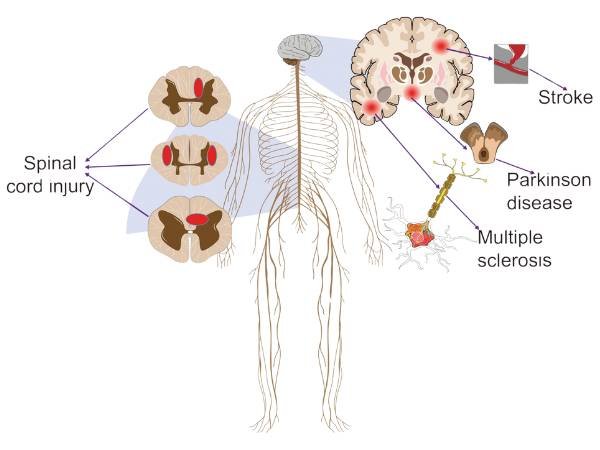
The nervous system is made up of the brain, spinal cord, and nerves. It helps us understand and manage pain. When you are hurt, nerves send messages to the brain and spinal cord. Your brain processes these signals and helps you know when something hurts. In some people with chronic pain, this system that processes pain becomes more sensitive. It may begin to react strongly to some signals that it would not normally be so bothered by. This is sometimes referred to as “central sensitization” or central pain syndrome. Things that didn’t hurt before can cause pain, such as light pressure, normal movement, or touch.
The injury has healed, but the pain is still there. Imagine someone who hurt their back a few months ago. The wound may be healed, but the person is still hurting. This can happen because the nervous system, muscles, movement patterns, and pain threshold may still be different, even after the injury has healed. It doesn’t mean the pain is imaginary. Thus, the body’s pain system may still be reacting differently.
There may be more than one factor involved
Chronic pain can have many causes happening at the same time. Nerve function, sleep, stress, mental health, and the way you go about your daily life can affect how pain is felt. That is why doctors sometimes need to look at more than one part of the body. So now we know why pain can linger even without an obvious injury; let’s look at some common medical conditions that might be the cause of pain that just won’t go away.
Common health problems that can lead to long-term body pain
There are a number of things that can cause body pain for no reason. Some diseases involve the muscles and joints. Others involve the nerves, or how the nervous system interprets pain.
Here are some important conditions that doctors may consider.
Type 1: Fibromyalgia Type 2:
Fibromyalgia is a chronic condition that causes pain all over the body.
These are things that can happen to people with fibromyalgia:
Pain in various parts of the body and muscles
Feeling tired constantly
Sleep disruption or sleeplessness
Another way to put trouble focusing is brain fog.
Head aches
More sensitive to touch or pressure
The exact cause of fibromyalgia is still unknown. Changes in the way the brain and nervous system deal with pain are thought to play a large part.
Fibromyalgia is not normal muscle pain, and no blood test can prove it. Usually doctors take into account symptoms, medical history of the patient and other possible causes before making a diagnosis.
Arthritis and joint condition
If you feel pain mostly in your knees, hips, hands, shoulders, or spine, it could be a problem with your joints. Arthritis is a general term for problems with joints.
For example:
Osteoarthritis: Over time, the cartilage that covers joints wears off. This can cause joints to hurt, feel stiff and make it hard to move.
Rheumatoid arthritis is an autoimmune disease in which the immune system attacks the lining of the joints rather than the healthy cells that protect them, leading to swelling and pain.
Spondyloarthritis is a group of inflammatory diseases that may affect the spine and other joints.
Joint pain may worsen after activity or after being still for a long time, depending on the condition.
Joints that are regularly swollen, stiff in the morning, or make it difficult to move should be looked at by a doctor.
Nerve damage or neuropathic pain
Not all pain comes from muscles and joints. It may be caused by nerves that are irritated or damaged. This is known as nerve pain. You may not feel a body ache like you do with other aches. It may be called:
- Burning sensations
- Pins and needles or tingling
- A sharp shooting pain
- Electric shock-like feelings
- Numbness or unusual sensitivity
Long-term back and neck issues
Back and neck pain are two of the most common reasons people visit their doctor.
Depending on the condition, the symptoms may include:
- Lower back pain or neck pain
- Pain radiating to the legs or arms
- Tingling or numbness
- Weak muscles
- Difficulty walking or standing for extended periods
But a slipped disk or bad spine is not always the cause of back pain. A good clinical exam is necessary to know what is going on.
Inflammatory diseases and autoimmunity
Sometimes the immune system attacks healthy cells by mistake. This can cause parts of the body to swell, hurt, get stiff, and become inflamed. Examples include lupus, rheumatoid arthritis and some inflammatory muscle diseases. Depending on the condition, people can also have symptoms like fatigue, fever, or swelling in the joints.
Past injury, infection or surgery
Even after an injury, surgery, or infection is treated, pain can linger. For example, an injury can damage nerves and cause pain that lasts a long time. Some people also experience ongoing pain after surgery. Infections sometimes damage nerves and cause pain that continues after the infection is gone. Doctors should take into account both the current health and the medical history of people who claim to be in pain with no reason.
Can stress, anxiety, and lack of sleep make long-term pain worse?
Yup. Anxiety, stress, and sleep problems can change how the body experiences pain. That said, it doesn’t mean that long-term pain is always caused by stress or your mind is imagining it. Pain is connected to both body and brain. There are many things that affect the brain chemicals that send pain signals, such as sleep, mood, stress, and past events.
This can create a tough cycle:
- When you’re hurt, it’s hard to sleep.
- If you don’t get enough sleep, you become tired and more sensitive to pain.
- There could be more stress and anxiety.
- You find it harder to do the things you normally do.
- Lower activity and ongoing pain can lead to poorer physical and mental health.
This is why treating chronic pain is more than simply eliminating pain. Doctors might also examine things like how well you sleep, your mental health, your daily activity level and other factors that could impact your recovery. We want to see the big picture and not point to one cause.
What Are The Signs Of Long-Term Pain?
Long-term pain looks different in everyone. Some people are in constant pain; others have symptoms that come and go. Depending on what you do, how much you sleep, how stressed you are, or what health problem is causing the pain, it may also get better or worse.
Here are a few of the more common signs and symptoms:
Pain that won’t go away: This type of pain can linger in the back, neck, shoulders, legs, or other parts of the body.
Stiff muscles: You might experience stiff muscles when you rise in the morning or after remaining still for a long time.
Burning or tingling: This could mean nerve pain, but it could also be something else.
Feeling tired. Constant pain can make ordinary tasks seem very tiring.
Pain can make it difficult to fall asleep or stay asleep, making sleep difficult.
Less mobility: It can be difficult to walk, climb stairs, bend over, lift things, or sit still for long periods of time.
Mood changes: Long-term pain can make it difficult to concentrate, be patient, feel emotionally well, and get along with others.
One important thing to remember is that these symptoms do not in themselves prove that you have chronic pain or a particular disease. A doctor needs to look at their length, pattern and possible causes.
How do doctors determine the cause of chronic body pain?
When there is no obvious injury or illness, it can take a while to work out what is causing the chronic pain. A scan or blood test will not be able to tell the difference between different kinds of pain that will not go away.
Most of the time, doctors work on a step-by-step plan.
Know the history of your pain.
This could be what the doctor might ask:
- When did it start aching?
- Does it always exist or is it intermittent?
- What aches in your body?
- Is it painful, burning, shooting, or aching?
- Has it moved to a different part of your body?
- Will it get worse if I move it?
- Does taking a break help?
- Do you experience symptoms like fatigue or trouble sleeping?
- Have you had any injuries, infections, or surgery?
This information helps doctors determine what is causing the pain.
Examination of the body and the brain
The doctor may test reflexes, senses, balance, coordination, and movement. If you think nerve pain is causing the pain, a neurological exam can identify problems with the nerves.
Blood handling
Your doctor may order blood tests to check for inflammation, infection, nutritional deficiencies, thyroid problems, and other health problems, depending on your symptoms. Not all blood tests for chronic pain patients are necessary.
Imaging Tests
Your doctor may order X-rays, MRI scans, CT scans, or ultrasounds to see what is wrong with your bones, joints, muscles, nerves, or other tissues. “Sometimes you will see things in a scan that are not related to pain.” Specialist evaluation: “Depending on what is likely going on, a person might need to see a neurologist, or a rheumatologist, or an orthopedic specialist, or a pain medicine specialist, or another doctor that specializes in that area,” she says. The pain is real, even when the early tests don’t show a definite cause. Ultimately, doctors might need to re-evaluate the symptoms and consider chronic primary pain and other conditions.
Sum up,
Living with body pain that you can’t explain can be frustrating. But remember that pain is pain, even if a scan or blood test doesn’t immediately show what’s wrong. Chronic pain can be caused by many things. Nerve damage, old injuries, fibromyalgia, or changes in the way the nervous system processes pain. Sometimes a lot of things can work together. If the pain lasts for more than three months, comes back, or starts to interfere with your daily life, you should see a doctor. With a thorough evaluation and a personalized treatment plan, you can take more control over your day-to-day life, manage pain, and regain your range of motion. It can take time to find the right diagnosis. For further medical perspective on pain management and neurological care, you can explore resources associated with AIIMS New Delhi, Dr. Deepak Agrawal’s biography, and his LinkedIn profile, or browse more articles on MD Lines.