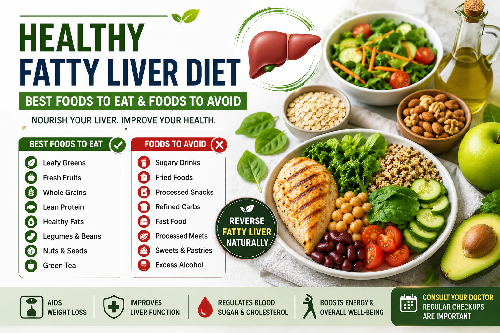
The diet for a healthy fatty liver consists of nutritious whole foods that aid in reducing the amount of fat in the liver, along with improving other aspects of your overall well-being. The inclusion of more vegetables, fruits, whole grains, protein, healthy fats, and fiber-rich foods while cutting down on soda, refined carbs, frying, and processed snack foods can assist in controlling the condition. In combination with exercising and weight management, such dietary modifications could be beneficial in reversing the condition of fatty liver naturally.
Main Points
- Diet is an important factor in the management of fatty liver disease.
- A hepatic diet can contribute to the reduction in fat levels in the liver.
- Weight loss via proper diet and exercise can improve non-alcoholic fatty liver disease (NAFLD).
- Prefer whole foods over processed foods whenever possible.
- Restriction of sugar and bad fats is equally important as the intake of good foods.
- Medical follow-ups on a regular basis are important.
Introduction
Your liver works extremely hard in your body. It is involved in the digestion process, storing of nutrients, filtration of the blood, and a lot of other tasks daily.

Fatty liver disease is caused when there is an excessive build-up of fat in your liver. For many people, this can be observed even when they consume low amounts or no alcohol at all. This type of disease is known as non-alcoholic fatty liver disease (NAFLD), and its prevalence has been growing due to improper nutrition, obesity, type 2 diabetes, and lack of physical activity. The good news is that early stages of fatty liver disease can be reversed with proper nutrition and changes in your lifestyle. In particular, the food that you consume plays a major role in the protection of your liver. In this article, you will learn about the best foods for non-alcoholic fatty liver disease, foods to avoid, as well as a proper fatty liver disease diet plan.
Fatty Liver Disease – What is it?
Fatty liver disease happens when there is an increased accumulation of fat in the cells of the liver.
Having some fat in the liver is common. But when fat constitutes more than 5% of the total weight of the liver, it is termed fatty liver disease.
The two forms are:
Non-Alcoholic Fatty Liver Disease (NAFLD)
NAFLD happens in people who consume little or no alcohol. The following are its causes:
- Little extra weight than it should be
- Type 2 diabetes
- Elevated blood cholesterol levels
- Elevated blood triglycerides
- Insulin resistance
- Metabolic syndrome
Fatty Liver Disease Linked to Alcohol Consumption
It results from excess consumption of alcohol and requires a treatment regime which does not involve alcohol at all. This piece of writing discusses foods and lifestyle tips for non-alcoholic fatty liver disease.
Can Diet Reverse Fatty Liver?
Yes, for most people. Science confirms that proper nutrition, physical activities, and steady weight loss can decrease the quantity of fat accumulated in the liver. If you suffer from the initial stage of NAFLD, your lifestyle habits might allow you to reverse fatty liver naturally via restoration of normal liver functioning and reduction of its inflammation.
There is no magic food for fatty liver.
The positive result is achieved through a consistent following of a balanced hepatic diet.
Some of the recommendations doctors give are:
- Consumption of lots of vegetables and fruits
- Selection of high-quality sources of proteins
- Reduction of added sugars
- Limited amounts of saturated and trans fats
- Steady body weight
- Regular exercises
All these things not only positively influence the liver but also help control your glucose levels and lipid profile.
Healthy Foods to Eat for Fatty Liver
A healthy liver diet consists of eating healthy foods with high levels of fibre, vitamins, minerals, good fats, and antioxidants.
Some of the healthy foods to eat are mentioned below.
1. Leafy Greens
Leafy greens contain high amounts of vitamins, minerals, fibre, and antioxidants but very few calories.
Examples of leafy greens include:
- Spinach
- Kale
- Fenugreek leaves
- Mustard greens
- Lettuce
They can help in preventing fat accumulation in the liver and improving metabolic rate. Try to have one portion of leafy greens each day.
2. Fresh Fruits
Fresh fruits come with natural fibers, vitamins, and antioxidants to help maintain good health.
The foods that can benefit the liver are:
- Apples
- Oranges
- Berries
- Guavas
- Papayas
- Pears
Though these foods have natural sugars, they are better than any sugary drink or dessert since the fiber present helps slow down the sugar absorption rate.
Avoid drinking fruit juices and opt for whole fruits whenever possible.
3. Whole Grains
Whole grains form an essential component of a good hepatic diet since they have higher levels of fiber than refined grains.
They include:
- Oats
- Brown rice
- Whole wheat
- Quinoa
- Barley
- Millets
4. Lean Protein
Proteins assist in keeping muscles and have the ability to boost satiety.
Some of the sources for lean proteins include:
- Skinless chicken
- Fish
- Eggs
- Lentils
- Legumes
- Chickpeas
- Low-fat milk products
- Tofu
Additionally, eating protein with every meal is an effective way to avoid overeating and maintain a healthy metabolic rate.
5. Healthy Fats
All fats are not unhealthy.
Unsaturated fats in moderation may have a positive impact on heart and liver health.
Some sources of unsaturated fats are:
- Avocados
- Walnuts
- Almonds
- Flaxseeds
- Chia seeds
- Olive oil
These foods contain unsaturated fats, which could help in reducing inflammation and improving cholesterol levels. However, because of being calorie dense, it is essential to control portions.
Foods that Are More Friendly for Your Liver
Instead of relying on one “superfood” in a healthy fatty liver diet plan, the emphasis should be on constructing healthy meals to get all the nutrients needed by the liver without accumulating excess fat.
Below are some additional foods that are friendly to the liver.
6. Fatty Fish
These types of fish are high in omega-3 fatty acids and can aid in lowering fat in the liver, cholesterol, and inflammation.
Examples of fatty fish are:
- Salmon
- Sardines
- Mackerel
- Tuna (occasionally)
Fatty fish should be eaten one to two times per week.
7. Legumes
Legumes such as beans, lentils, chickpeas, and peas provide a good source of protein and fiber in plants.
They can help you:
- Feel fuller for a longer time
- Maintain healthy blood sugar levels
- Digest food better
- Eat less
Legumes are one of the best non-alcoholic fatty liver disease foods since they are nutritious, inexpensive, and have many uses.
8. Nuts and Seeds
Consumption of a small amount of nuts and seeds can offer healthy fats, protein, fiber, and antioxidants.
Some good choices are:
- Almonds
- Walnuts
- Pistachios
- Pumpkin seeds
- Sunflower seeds
- Chia seeds
- Flaxseeds
Unsalted varieties should be chosen if available.
9. Low Fat Milk Products
Low fat milk, curd (yogurt), and paneer are sources of protein and calcium without high saturated fats.
Yogurt served with fresh fruits or nuts can make a good snack for people who are on a hepatic diet.
10. Green Tea
Green tea contains natural antioxidants that are known as catechins which are said to have possible benefits for liver health.
Although there is still more research needed, moderate consumption of unsweetened green tea could be a better option compared to sugar-filled drinks.
It should be noted that green tea does not treat fatty liver but is one of the foods to consume for better liver health.
Foods to Be Totally Avoided
Just as important as the foods you should be eating are those you should avoid eating.
There are some foods that could cause accumulation of fat within the liver, increase insulin resistance, and lead to obesity.
When following a fatty liver diet plan, try avoiding the following foods.
| Food | Why It Should Be Limited |
|---|---|
| Sugary soft drinks | High in added sugar, which can increase liver fat |
| Packaged fruit juices | Often contain large amounts of added sugar |
| Cakes, pastries, and sweets | High in sugar and unhealthy fats |
| White bread and refined flour products | Can cause rapid increases in blood sugar |
| Fried foods | High in unhealthy fats and calories |
| Fast food | Often contains excess salt, sugar, and saturated fat |
| Processed meats | Usually high in sodium and saturated fat |
| Chips and packaged snacks | High in calories and low in nutrients |
| Excess alcohol | Can damage liver cells and worsen liver disease |
Do not try to change everything immediately; rather, change things slowly. It is more realistic for you to replace one unhealthy food item with something healthy once a week.
Lifestyle Changes That Benefit the Liver
Proper diet goes hand in hand with other healthy practices.
Maintain Physical Activity
Try to get at least 150 minutes of physical activity per week. Such exercises as walking, cycling, swimming, dancing, and strength training will benefit your liver health and help maintain proper weight.
Lose Weight Slowly
If you suffer from obesity, losing 5–10% of your body weight might be enough to lower the level of liver fat and normalize its functioning. Losing weight quickly is not recommended since it might increase the load on the organ.
Have Sufficient Sleep
Insomnia was found to contribute to obesity, insulin resistance, and metabolic disorders. Adults are supposed to sleep at least 7–9 hours daily.
Take Care of Your Blood Sugar and Cholesterol Levels
In addition to fatty liver disease, many patients have diabetes and hypercholesterolemia. By adhering to the treatment and visiting the doctor regularly, you can prevent any possible harm to your liver.
Healthy practices depend on one another. Small, gradual changes have better results than a strict diet followed for several weeks.
The Bottom Line
Healthy eating habits based on the right fatty liver disease foods are one of the best ways to maintain the health of your liver and get rid of excessive fat in it. If you switch from fatty liver foods to foods that do not cause it, such as vegetables, fruits, whole grains, lean protein, legumes, and healthy fats, while avoiding sugary beverages, deep-fried foods, refined carbs, and processed snacks, it will be possible to change for the better.
If you think about reversing fatty liver naturally, please understand that there is no quick fix and that a healthy diet, physical activity, losing weight gradually, getting enough sleep, and medical help should go hand in hand. It is much more beneficial to follow a proper hepatic diet rather than try any miracle detox diets or remedies. If you suffer from non-alcoholic fatty liver disease or want to keep your liver healthy, make sure to consult with your doctor and follow his or her recommendations.
Author

With six years of experience, I turn ideas into engaging and easy-to-read content. Whether it’s blogs, website copy, or emails, I write in a way that connects with people and delivers the right message. Clear, creative, and impactful—that’s my writing style.
View all posts