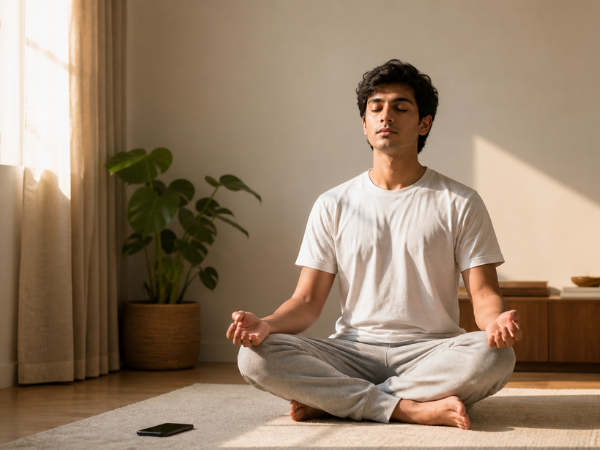
Getting sufficient sleep seems to be more complicated today than ever before. With late night-time scrolling through devices, incessant notifications, stressful work situations, and overload with information, it is very hard for many people to quiet their minds before sleep. Even though supplements and sleeping pills may alleviate the situation temporarily, more and more people start using meditation for better sleep.
According to a study conducted by JAMA Internal Medicine, mindfulness meditation can have a substantial positive impact on sleep in those adults who have some sleep disturbance issues. It is presumed that meditation can contribute to the relaxation of the nervous system and the preparation of the brain for sleep. Medication does not tackle one of the major reasons of bad sleep, which is a stimulated mind. If you find it hard to sleep or feel constantly awakened during the night, meditation will come to your aid.
Why It Has Become Difficult to Fall Asleep in 2026?
The problem of falling asleep is becoming a major topic for sleep specialists nowadays due to something called “cognitive overload.” People living today take in more data within one day than their parents did in weeks. Constant scrolling on social media, watching movies, and using AI-driven applications keep our brains always active and on guard. At night, when it is time to sleep, this cognitive overload does not subside and makes it difficult to rest. In this situation, improved sleep meditation techniques may help tremendously. Meditation can make the brain slow down and allow the body to move from a high level of activity into recovery mode.
What is Sleep Meditation?
Sleep meditation describes a series of mindfulness and relaxation exercises that help the body and mind prepare for sleep. Different from meditation, which requires focus and concentration, the purpose of sleep meditation is to alleviate physical and mental tension and facilitate sleep. Typical sleep meditation includes breathing exercises, guided imagery, awareness of body, and relaxation techniques, all of which contribute to activating the parasympathetic nervous system, also known as the “rest and digest” part of the body. Through persistent efforts in meditation, an individual will eventually develop conditioned responses to the meditative process of relaxation.
The Science of Sleep Meditation
Numerous scientific studies have been carried out to determine the effects of meditation on one’s sleep quality. Based on the research conducted, meditation seems to impact different physiological processes related to sleep.
Meditation helps calm down the part of the brain responsible for feelings of stress and anxiety. In addition, meditation contributes to decreased levels of cortisol, a major stress hormone in our bodies. High levels of cortisol are associated with an inability to fall and stay asleep.
Meditation also promotes higher heart rate variability, which demonstrates proper functioning of the nervous system. Once this system is balanced, the body begins preparing itself for sleeping. In some cases, scientists discovered an increase in melatonin, the hormone responsible for controlling one’s sleep cycle, in individuals practicing regular meditation. All of this explains why most people find their sleep deeper and more relaxing when using sleep meditation techniques at bedtime.
Advantages of Night Relaxation Meditation
There are numerous advantages to nighttime meditation that extend beyond being able to get some sleep.
Lessened Stress
The practice helps your mind detach from stressful thoughts, lessening the emotional load attached to them.
Fewer Anxiety Episodes
Bedtime can be associated with anxiety because of pressure from work and/or other life responsibilities. Meditation can help you cope.
Quality of Sleep
It’s important to understand that sleep isn’t only about how long it lasts; deep sleep without interruptions is important.
Emotional Resilience
Studies show that practicing mindfulness and meditation could improve one’s ability to handle emotions.
These are just a few examples of the many benefits meditation can provide you with.
Techniques to Help You Fall Asleep Through Sleep Meditation
Mindfulness Meditation
Mindfulness meditation is a process where one stays focused on the current moment without any judgmental attitudes. This method allows one not to engage with thoughts, but just observe them passing away. An easy exercise includes staying aware of the breath. Observe how you inhale and exhale. When distractions occur, shift your focus back to breathing. This technique can decrease overthinking and provide you with some free mental space before falling asleep.
Body Scan Meditation
One of the most frequently advised methods for beginners among sleep meditations is a body scan meditation. Begin from the very top, such as the head, and gradually go downwards while becoming aware of what happens in each part of your body. Identify places where you feel tensed up, but don’t do anything to affect them. Relax your muscles little by little.
The 4-7-8 Technique of Breathing
The 4-7-8 technique is very straightforward, as it stems from yogic breathing techniques:
- Inhale for 4 seconds
- Hold for 7 seconds
- Exhale for 8 seconds
This exercise, repeated for multiple cycles, will help slow down one’s heartbeat and promote relaxation.
Progressive Muscle Relaxation
The idea of this technique is to first tighten a certain muscle group and then relax it. Start with your feet and move upward. Each muscle group should be tightened for five seconds and released fully. Sleep specialists usually advise using this technique for those who suffer from physical strain because of stress.
Meditation through Visualization
Visualization will help divert the focus from stressful concerns and focus on mental imagery. Envision yourself strolling along a deserted beach or sitting peacefully by a calm lake. Visualize all of your senses as you create that picture. This technique works particularly well for those suffering from racing thoughts.
Sleep Meditation For Anxiety and Overthinking
The first and primary hurdle on the road to sleep is overthinking. Most people tend to relive past conversations, get anxious about upcoming occurrences, and think about pending activities in their heads as they prepare to rest. This problem may be solved through meditation, as it teaches one the art of attention management. Instead of being stuck up in your thoughts, you learn how to simply watch them pass without necessarily reacting to them. Gradually, you become less anxious at night and eventually develop a better relationship with your own mind and thoughts.
Can Meditation Help with Insomnia?
Insomnia is prevalent around the world and can have a significant impact on one’s quality of life. According to scientific research, mindfulness interventions can help alleviate symptoms of insomnia by decreasing cognitive arousal, which keeps people awake. Individuals who suffer from insomnia often complain about being mentally aware despite their physical exhaustion. Meditation helps solve this problem by soothing the brain while letting the body take care of itself. While meditation may not completely cure serious forms of insomnia, it can be considered as an alternative method.
Sleep Meditation for Anxiety and Overthinking
The largest barrier to good rest is overthinking. People tend to replay their conversations from the past day, think about things to come, or things they still need to complete. With mediation practice, one learns to have a different attitude toward thoughts and gain attention control. It takes time, but such an approach can lead to reduced anxiety during the night and a more positive attitude toward distracting thoughts. Continuous meditation sessions during the night can be helpful not only before sleeping but throughout the day.
Sleep Meditation for the Digital Brain: The Next 2026 Problem
Sleep researchers are starting to pay attention to how much we overstimulate ourselves digitally. Our brains are not programmed to process information quickly; yet, today, we might watch hundreds of media pieces right before going to sleep. All these messages keep our brains alert even when we switch off the screens. Meditation helps make the transition from digital use to sleeping.
Even a small break of only five to ten minutes, which will involve meditation practice, can send a message to our brain that it is time to relax. Many experts agree that meditation should replace the last couple of minutes spent on digital devices before sleep. This approach might be the most significant application of meditation for sleep in the coming years.
Mistakes That Stop Sleep Meditation from Working for Beginners
Most beginners have an expectation of immediate success. While some may experience immediate benefits, meditation is an art form that requires time and effort.
Some common mistakes include:
- Expecting to fall asleep instantly
- Meditating sporadically
- Checking the time constantly
- Using meditation without putting your phone away
- Getting frustrated when thoughts intrude
The idea isn’t to make yourself sleep. It’s to set up the conditions in which sleep occurs naturally.
Simple 10-Minute Night Meditation Practice
In case you are a beginner, consider adopting this practice:
Minutes 1-2
Dim the lights and sit comfortably.
Minutes 3-4
Concentrate on breathing.
Minutes 5-7
Do a body scan.
Minutes 8-9
Imagine a peaceful place.
Minute 10
Rest quietly.
When practiced regularly, this practice can prove a powerful way of practicing better sleep meditation.
If Meditation Is Not Sufficient on Its Own
Although meditation is very effective, some issues related to sleep may need further assistance.
Talk to your health care provider if you have experienced:
- Insomnia
- Snoring at night
- Symptoms of sleep apnea
- Fatigue during the day
- Repeatedly waking up at night
It should be noted that meditation works better along with good sleeping habits like consistent sleep times, reduced caffeine consumption, and no screen time before bed.
Conclusion
A good sleep is undoubtedly one of the primary components of physical wellbeing, mental happiness, and cognitive functioning. Today, being constantly distracted by various stimuli, it might be hard for people to prepare mentally and physically for sleep. Meditation provides a great solution that is easy to implement into one’s routine.
It doesn’t really matter what specific form of meditation you prefer as long as you can practice it on a regular basis. Such practices are sure to make a positive impact on your sleep and ensure that you can go to bed quicker and enjoy quality sleep every night.