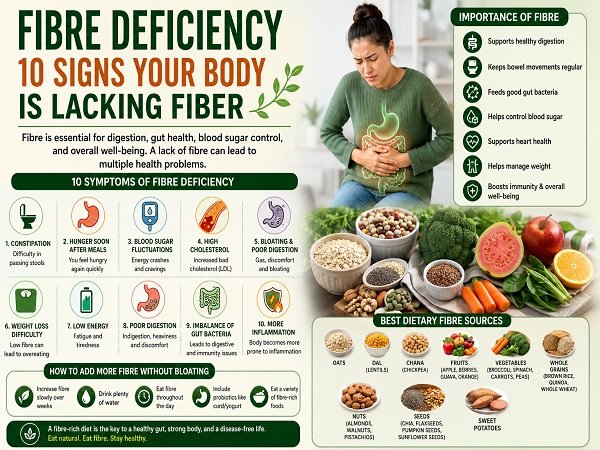
The majority of people fail to meet their fibre requirements in 2026, mostly due to the fact that diets are becoming more industrialized and less plant-based than before. Numerous studies conducted by global nutrition institutes through large-scale dietary surveys prove that the average fibre consumption of people falls short of the required levels. This problem is responsible for increasing incidences of constipation, obesity, diabetes, and heart-related diseases.

Current studies continue to support the notion that fibre is not a transient phenomenon but a preventive factor that protects people from diseases in the long run. Furthermore, clinical nutrition analysis reveals that communities eating a plant-based diet have fewer instances of chronic conditions. Hence, knowing about the benefits of fibre becomes a necessity for modern-day lifestyles.
Fibre benefits are not limited to digestive processes and have gained attention for gut microbiota balance and inflammation.
Definition of Dietary Fiber (The Scientific Reason Behind It)
Dietary fiber is defined as the component of plant-based foodstuffs that cannot be broken down by human digestive enzymes. While carbohydrates, proteins, and fats undergo digestion, dietary fiber is able to pass through the stomach and intestines without any significant change before moving to the colon.
Nutritional science reveals that dietary fiber has two main roles: either it absorbs water and creates bulk, or it undergoes fermentation by gut bacteria. The process ensures that bowel movements are regulated and the growth of various gut bacteria is supported.
Health Benefits of Fibre
The benefits of fibre are not limited to digestion only, as is evident from various studies on large samples of the population over long periods.
To begin with, fibre helps in digestion by creating bulk stools and reducing their transit time. Secondly, according to studies, fibre helps in lowering LDL cholesterol levels, making one less susceptible to cardiovascular diseases. Lastly, fibre delays sugar absorption, leading to better insulin sensitivity and preventing type 2 diabetes.
Further, research conducted and featured in reputable medical journals shows that fibre intake promotes a healthier body mass index, leading to fewer calories consumed owing to better satiation from food.
Apart from this, recent studies have shown that fibre intake helps promote anti-inflammatory mechanisms in the gut microbiota.
Daily Fiber Consumption: Scientific Recommendations
Current dietary recommendations advise that people should consume, on average, 25 grams per day of fiber for women, and approximately 30-38 grams per day for men.
Despite this recommendation, numerous surveys conducted in various nations indicate that on average, people consume about 15-20 grams per day of fiber. This discrepancy is recognized as the biggest underconsumption of nutrients in the modern world.
It is known from studies in the field of public health nutrition that increasing fiber consumption gradually results in beneficial effects on cholesterol levels, glucose regulation, and digestion in about 3 weeks’ time. Rapid increase in consumption, however, could be painful if not accompanied by sufficient water intake.
Fibre-Rich Diet: Scientific Evidence for Natural Foods
Fibre-rich diets are composed of natural food sources and are continuously recommended by guidelines around the world. Fruits such as apples, pears, and guava supply both soluble and insoluble fibre. The scientific literature suggests that fibre from fruits is able to increase gut mobility and reduce markers of oxidative stress.
The vegetables, including carrots, broccoli, and spinach, offer fibre and antioxidants that positively affect the digestive system. Grains, such as oats, barley, and brown rice, are highly correlated in scientific literature with decreased levels of bad cholesterol and blood glucose. Beans such as lentils and chickpeas are one of the richest sources of fibre and are shown in literature to be related to a decrease in the risk of heart disease. Nuts and seeds provide fibre and healthy fats.
Warning Signs that You Need More Fiber
As observed by physicians, inadequate amounts of fiber can manifest themselves in terms of symptoms, including irregularity, constipation, bloating, and sudden hunger pangs. According to studies conducted in the field of digestive wellness, insufficient consumption of fiber is linked to decreased bacterial diversity within the gut microbiome. Moreover, those who do not eat enough fiber tend to experience greater variability in their blood sugar levels.
Increasing Fibre Intake Safely
In nutritional research, the recommendation to increase fibre gradually was repeatedly made because the sudden increase of the substance might cause bloating or abdominal discomfort caused by microbial adaptations in the organism.
The experts suggest adding the fibre slowly over 1-2 weeks, together with increasing the amount of fluid consumed.
Adding fibre to every meal instead of focusing on only one particular meal increases tolerance and improves the digestive process.
Major Misconceptions About Fibre Intake (Nutritional Inadequacies of the Modern Era)
Consuming a large quantity of fibre without drinking enough liquid may result in constipation. The other mistake noted by clinical nutritionists is excessive focus on supplementing the diet with fibre instead of eating natural foods. The latter contains more nutrients required for the proper functioning of the body. Furthermore, research indicates that many people consume too much insoluble fibre but forget about soluble fibre, thus causing an imbalance. Lastly, increasing the amount of fibre too quickly causes digestive problems.
Supplements vs Whole Foods Sources of Fibres
Studies on the clinical effects of supplementing or using whole foods to source fibre indicate that while there may be benefits associated with fibre supplements in certain circumstances, whole foods contain extra nutrients beneficial to metabolism. Whole foods contain antioxidants, vitamins, and polyphenols in addition to dietary fibre, which contribute to overall health. There is also evidence that natural fibres are better at promoting the growth of the gut microbiome than isolated fibre supplements.
1-Day Fibre-Rich Meal Plan (Application)
A fibre-rich diet need not be hard to follow or complex in terms of preparation. Natural meals consumed at regular intervals throughout the day would prove effective in improving digestion and sustaining feelings of satiety while promoting overall health. According to evidence, distributing fibre consumption throughout the day is more beneficial for the body than concentrated intake during any single meal.
Oats, along with fresh fruits such as apples, bananas, or berries, can be included in breakfast dishes. Since oats are rich sources of soluble fibre, consuming them is likely to benefit your digestive system in addition to helping control levels of bad cholesterol.
A wholesome lunch consisting of whole grains, some dal or legumes, cooked vegetables, and salad can be included. Some examples of foods that contain both types of fibre include brown rice, whole wheat roti, dals or legumes, cucumber, carrot, and other green vegetables. All these foods will fill you up and prevent unnecessary munching.
An evening snack can consist of fruits, roasted makhana, or some nuts.
The inclusion of sautéed vegetables, soups, dal preparations, or millets can form part of a healthy dinner plan.
Conclusion: Developing Fibre Practices for the Long Term
Numerous long-term studies indicate that those individuals whose diets feature stable levels of fibre. They have a significantly lower chance of developing any digestive and metabolic disorders. It should be noted that fibre does not function as a temporary aspect of a diet. But rather as an integral element of preventive nutrition. Probably the most crucial point is consistency—using a combination of various types of fibre, hydration, and whole foods. If approached correctly, fibre can become one of the most effective elements of digestive and metabolic health.