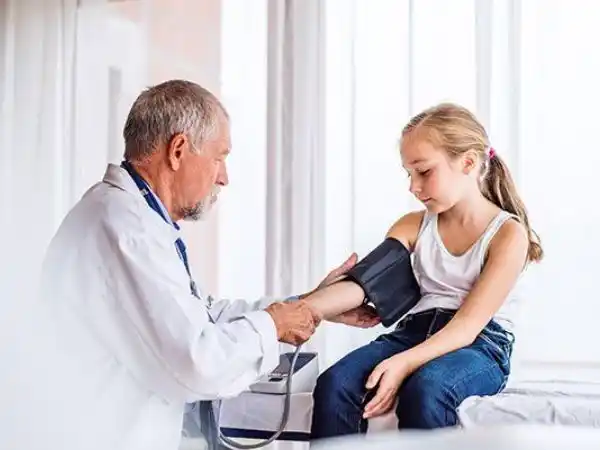
High blood pressure is no longer limited to older generations. In 2026, hypertension cases are on the rise among young individuals, employed professionals, fitness enthusiasts, and even people in their twenties.
What’s the main challenge?
Patients fail to identify that they suffer from hypertension before it begins to impact the heart, brain, kidneys, or eyes.
Why is hypertension referred to as a silent killer?
Even though high BP goes undetected for years, the body shows early signs of the disease. The problem is that patients tend to overlook these signs, associating them with stress, exhaustion, anxiety, lack of sleep, and fatigue.
This guide covers:
early signs of high BP
hidden signs that are overlooked
Symptoms in young people
Urgent symptoms to watch out for
Risk factors and causes of hypertension
How to manage blood pressure effectively
Immediate Answer: Early Signs of Hypertension
Some common early signs of hypertension may be:
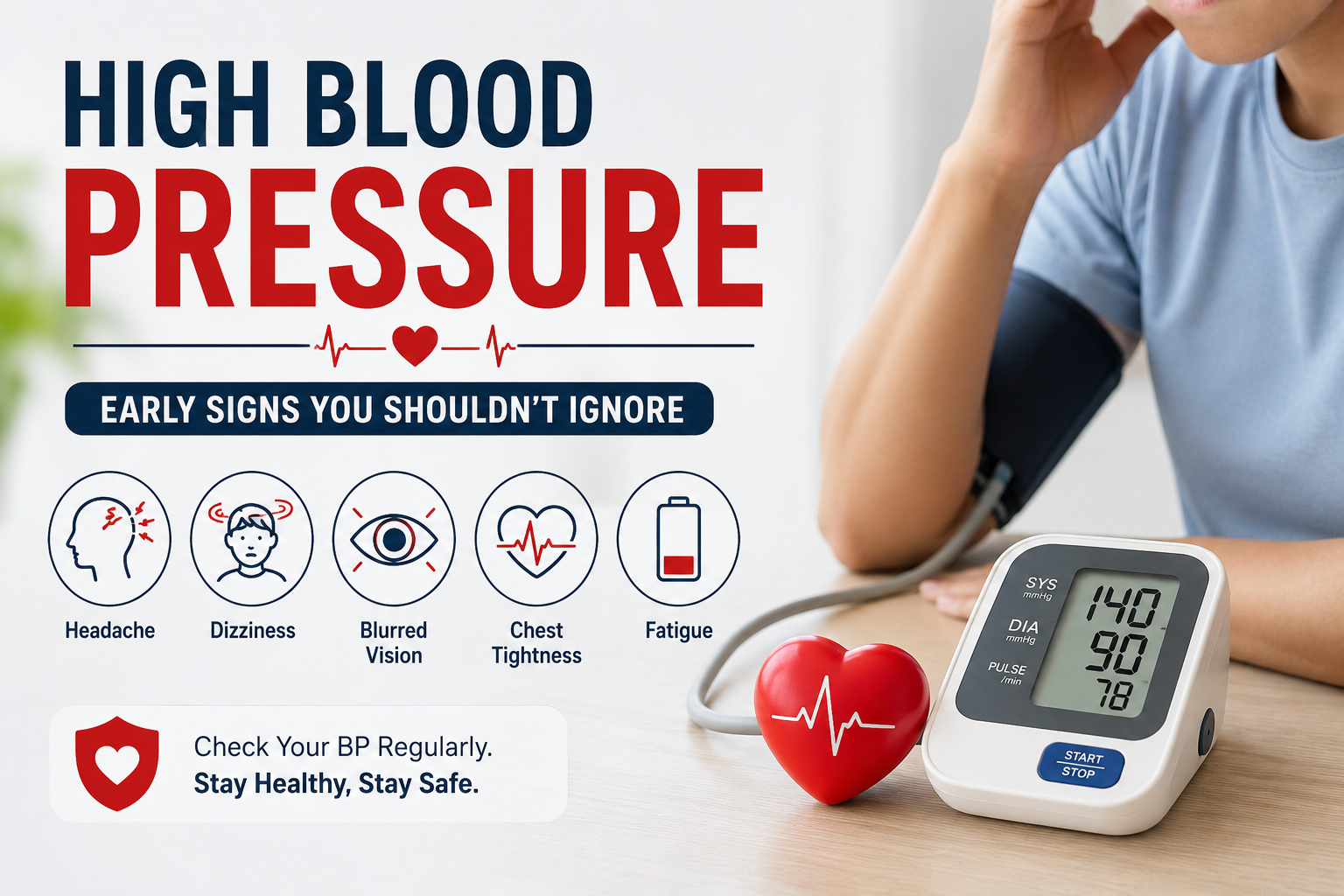
Headaches
Dizziness
Blurring of eyesight
Chest pains
Shortness of breath
Fatigue
Nose bleeding
Anxiety attacks
Irregular heartbeats
Morning headaches
It should be noted that many individuals do not exhibit any early signs of hypertension at all.
What Is Hypertension?
Hypertension is a condition in which the force of blood against the inner walls of the arteries is too high.
The average BP value is typically:
120/80 mmHg
Hypertension occurs when the BP value remains consistently higher than:
140/90 mmHg
Chronic, untreated hypertension may cause harm to:
the heart
the brain
the kidneys
the blood vessels
the eyes
Why is High Blood Pressure a Silent Killer?
Hypertension poses a health risk because its symptoms can go unnoticed for years.
During this time, the body undergoes:
Arterial damage
Loss of blood vessel elasticity
Heart stress
Kidney stress
Weakening of the brain blood vessels
Most individuals become aware of their hypertension condition due to:
Headache
Stroke
Pain in the chest
Vision impairment
Routine medical examination
This is why early diagnosis is crucial.
10 Earliest Signs of Hypertension You Must Not Ignore
1. Headaches
This is one of the earliest signs that people usually have:
pressure on their foreheadThe
head feels heavy
throbbing headache
headache in the morning
Hypertensive signs in the morning are very frequent since the blood pressure starts increasing upon waking up.
2. Dizziness
Repeated dizziness might be caused by fluctuations in blood pressure.
You might have such sensations:
imbalance when walking
feeling light-headed
dizziness when standing up
sometimes dizziness and spinning
Dizziness is frequently considered as fatigue or weakness.
3. Poor Eyesight
Hypertension could influence tiny blood vessels in the eyes.
Possible signs would be:
poor eyesight
poor focus
high eye pressure
eye strain
floating specks
Continuous neglect could permanently damage vision due to high blood pressure.
4. Difficulty Breathing
Being out of breath with little effort can indicate a person has hypertension.
They may experience:
climbing up and down stairs
doing chores at home
fast walking
lifting weights
This is due to their heart being under additional pressure.
5. Pressure or Pain in the Chest Area
Chest pressure cannot be ignored.
Individuals might report:
chest pressure
burning sensation
chest tightness
chest discomfort during walks
Any chest pain with sweating and breathing difficulties requires immediate medical attention.
6. Exhaustion
Individuals with high blood pressure experience:
lack of energy
brain fatigue
being exhausted
less stamina
tiredness following minor activities
In most cases, individuals mistake it for job stress or inadequate sleep.
7. Uncontrollable Nosebleeds
Occasionally, uncontrollable nosebleeds could be a result of very high blood pressure levels.
More specifically, when coupled with:
migraines
dizziness
facial blushing
8. Arrhythmia
Some people experience:
rapid heartbeats
pounding hearts
heart palpitations
sudden awareness of heartbeats
In the case of stress-induced hypertension, these symptoms occur more often.
9. Panic Attacks
According to modern medical studies, hypertension is related to:
restlessness
irritation
panicky feelings
discomfort
This is especially prevalent among younger people who face ongoing stress.
10. Insomnia and Morning Tiredness
Symptoms of insomnia associated with high blood pressure include:
morning exhaustion
snoring
sleep apnea
inadequate sleep
morning migraines
Insomnia and hypertension exacerbate each other.
The Silent Symptoms of High Blood Pressure That People Overlook
Many modern-day health blogs concentrate on the silent symptoms of high blood pressure that most individuals overlook.
They are:
brain fog
tight neck muscles
difficulty concentrating
poor stamina
high eye pressure
irritability
poor productivity
fatigue
Signs Experienced While Carrying Out Normal Functions
One major cause of overlooking hypertension is the fact that signs usually manifest while performing regular tasks.
These could be:
feeling tired while cooking
Having headaches after spending time on a screen
feeling dizzy while at work
feeling breathless when going up the stairs
And feeling exhausted after minor activities
Most individuals would ignore these signs without checking for blood pressure.
Why Young People Are Experiencing High Blood Pressure in 2026?
High blood pressure is becoming common among:
white-collar workers
creators
students
businesspersons
fitness persons
remote workers
Major causes of high blood pressure are:
stress
lack of sleep
processed meals
screen time
sedentary behavior
anxiety
high consumption of caffeine
alcohol and smoking
People may experience hypertension even if they look fit.
Habits That You Practice Unconsciously But Elevate Blood Pressure
High Consumption of Sodium
Foods sold in packages and sauces have higher amounts of sodium.
Irregular Sleep
Using your phone at night disrupts stress hormone regulation and BP regulation.
Long Sitting Period
Sitting for long periods of time makes an impact on circulation and the heart.
Stressful Lifestyle
Being constantly under pressure causes high cortisol hormone levels and elevated BP.
Excess Intake of Caffeinated Drinks
Drinking too many energy drinks causes a temporary rise in BP.
Smoking and Alcohol
Smoking and alcohol consumption negatively affect the condition of blood vessels.
Indicators of Hypertensive Crisis
Some signs require urgent hospitalization.
Go to a clinic urgently if you have:
intense headaches
chest pains
difficulty breathing
sudden loss of vision
loss of speech
numbness and weakness in one arm
confusion
Possible conditions include:
stroke
hemorrhagic brain stroke
heart-related problems
hypertensive crisis
What Can Occur with Uncontrolled High Blood Pressure?
Hypertension that goes untreated may cause harm without causing symptoms.
Heart Issues
heart attack
enlarged heart
heart failure
Brain Concerns
stroke
memory impairment
brain bleed
Renal Issues
Long-standing high BP may damage renal blood vessels.
Eye Disorders
High BP can damage retinal blood vessels.
Steps to Take an Accurate BP Reading at Home
At-home BP testing is becoming more common.
Recommendations:
remain calm before testing
refrain from drinking caffeinated drinks before testing
Keep both feet flat on the ground
test BP at the same hour each day
Do not speak during testing
Easy Tips for Controlling Hypertension Naturally
Walk Regularly
Walking for just 30 minutes is beneficial for your heart.
Cut Down on Salt
Avoid processed and packaged food items.
Get Quality Sleep
Ensure you maintain a proper sleeping pattern.
Handle Stress Effectively
Techniques such as meditation, breathing exercises, writing journals, and minimal screen time can assist.
Include Potassium in Your Diet
Sample Potassium Foods:
banana
spinach
coconut water
avocado
sweet potato
Keep a Healthy Weight
Slight weight reduction is also helpful for your BP.
Stop Smoking
Giving up smoking significantly cuts down heart risks.
When to Visit Your Doctor?
If: You have recurring symptoms
Your BP readings remain high
You experience severe headaches
chest pain arises
visual difficulties arise
You suffer from more dizziness
Always visit your doctor regardless of how you feel. Regular BP measurements are necessary.
FAQs
Is high blood pressure possible even without any symptoms?
Yes, many patients have hypertension without experiencing any symptoms.
Does a headache mean you have high blood pressure?
No, not all headaches are caused by high BP, but constant headaches should never be disregarded.
Is stress linked with high blood pressure?
Yes, chronic stress will increase blood pressure.
Can young adults have hypertension?
Yes, cases of hypertension in young adults are becoming more common because of their lifestyles.
Can high BP be managed naturally?
Lifestyle modifications are effective, but medication will also be necessary for some people depending on the condition. Hypertension often takes place gradually, but the impact of high blood pressure is always dangerous. Headaches, exhaustion, dizziness, tightness in the chest, inability to get good sleep, and blurred vision may sound insignificant, but they should not be overlooked. Routine blood pressure checks, healthier lifestyle choices, stress reduction, improving sleep quality, and medical assistance can avoid future problems. One single blood pressure test at the proper moment could save you from a health crisis.