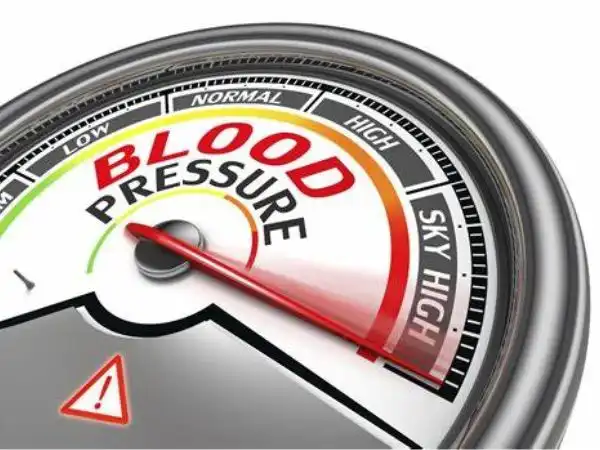
Stress is not just something that stays in the mind; it often shows up in the body in ways that feel very real and physical. Thousands of people visit doctors again and again, do medical tests, and still feel unwell. Later, they discover that stress was the real cause. That’s why stress symptoms, physical illness, and confusion go hand in glove. The body reacts to stress strongly, and the signs can look exactly like real medical conditions.How stress affects the body understands it helps people avoid fear, unnecessary tests, and long-term health problems. This article describes how stress creates physical symptoms, how one might differentiate stress from illness, and why these symptoms should never be ignored.
How Stress Effects the Body?
When a person is stressed, his or her body automatically switches on the survival mechanism. The brain starts to send signals that trigger the release of stress hormones such as cortisol and adrenaline. These hormones get ready for fighting or fleeing. It is useful during times of danger but not if it happens all the time.
Chronic stress keeps the body in a state of tension. The muscles are always stiff. Digestion takes longer. A person breathes shallowly. Blood pressure increases. Gradually, the body suffers various symptoms of stress, which make a person feel sick.
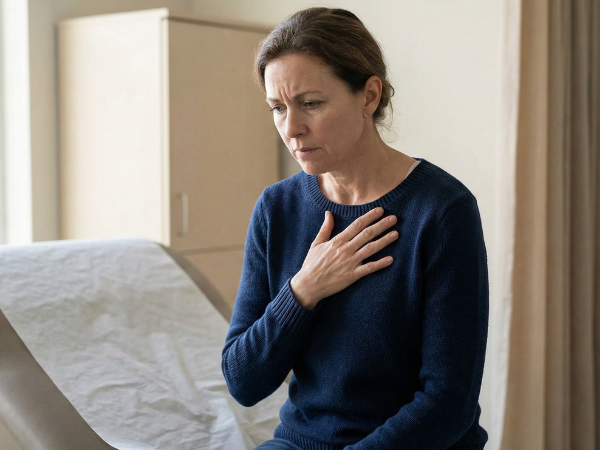
Stress is not mere imaginary pain or symptoms. Pain is not in the mind but is actual. The reason is stress, but the sensation is genuine.
Common Stress Symptoms That Mimic Physical Illness
1. Chest Pain and Heart Problems
One of the most frightening anxiety physical symptoms is chest pain. Many people believe they are having a heart attack. Stress can cause:
Tightness in the chest
Sharp or dull chest pain
Fast or irregular heartbeat
Shortness of breath
Stress makes chest muscles tighten and breathing shallow. Panic attacks can feel exactly like heart problems. Medical tests may come back normal, but the pain feels very real.
2. Headaches and Migraines
Stress is a major trigger for headaches and migraines. Tension builds in the neck, shoulders, and scalp.
Symptoms include:
Pressure around the head
Pain behind the eyes
Throbbing headaches
Sensitivity to light
These symptoms often lead people to think they have neurological problems. In reality, emotional stress is often the root cause.
3. Digestive Problems
The stomach is very sensitive to stress. This is why many stress vs illness symptoms involve digestion.
Stress can cause:
Acid reflux
Stomach pain
Bloating
Diarrhea or constipation
Nausea
Conditions like IBS often get worse during stressful periods. Stress slows digestion and changes gut movement, creating strong physical discomfort.
4. Muscle and Body Pain
One of the most common signs of stress causing body pain is ongoing muscle soreness.
Common areas include:
Neck and shoulders
Lower back
Jaw pain
Leg pain
Stress causes muscles to stay tight for long periods. This reduces blood flow and creates pain that feels like injury or arthritis.
5. Fatigue That Feels Like Illness
Chronic stress drains energy. Many people feel exhausted even after sleeping well.
Symptoms include:
Extreme tiredness
Weakness
Heavy body feeling
Low motivation
This kind of fatigue often feels like thyroid issues, anemia, or infections. Tests may show nothing wrong, yet the exhaustion continues because stress keeps the nervous system active.
6. Skin Problems
Stress can show on the skin quickly.
It may cause:
Acne breakouts
Eczema flare-ups
Rashes
Itching
Stress hormones increase inflammation and oil production, making skin problems worse. Many people try creams without realizing stress is the main trigger.
7. Dizziness and Lightheadedness
Stress affects breathing and blood flow. This can lead to:
Feeling faint
Dizziness
Head spinning
Balance issues
Shallow breathing reduces oxygen levels, which makes the body feel unstable. This often leads people to fear serious brain or ear problems.
8. Numbness and Tingling
Anxiety can cause tingling in hands, feet, or face. This happens due to nerve sensitivity and reduced blood flow during stress.
Many people worry about nerve damage or stroke, but stress is often the cause, especially when tests are normal.
Stress vs Illness Symptoms: How to Tell the Difference
It can be difficult to know whether symptoms are due to stress or a medical condition. The body reacts strongly to both.
Signs Symptoms May Be Stress-Related
| Indicator | Stress-Related Pattern |
|---|---|
| Medical tests | Mostly normal |
| Timing | Symptoms increase during stress |
| Location | Moves or changes |
| Relief | Improves with rest or relaxation |
| Pattern | Comes and goes |
Signs Symptoms May Be Medical
Symptoms get worse steadily
Pain stays in one fixed location
Fever, bleeding, or weight loss
Symptoms do not change with stress levels
Stress symptoms still need medical evaluation. Never assume stress without proper checks.
Why Stress Symptoms Feel So Real
Stress affects the nervous system directly. The brain sends danger signals even when no real threat exists. This makes the body react strongly.
Reasons stress feels like illness:
Nerves become oversensitive
Muscles stay tense
Hormones stay high
Immune system weakens
This creates real pain, real discomfort, and real physical reactions. Stress symptoms are not “just in the head.”
Anxiety Physical Symptoms and the Fear Cycle
Anxiety creates a loop. A small physical symptom appears. The mind fears illness. Fear increases stress. Stress makes symptoms stronger.
This cycle includes:
Body symptom appears
Fear of serious illness
Anxiety rises
Physical symptoms worsen
Breaking this cycle requires understanding that anxiety can create powerful physical reactions.
Long-Term Effects of Ignoring Stress Symptoms
Ignoring stress does not make it go away. Over time, chronic stress can lead to real illness.
Possible long-term effects:
High blood pressure
Heart disease
Diabetes risk
Autoimmune flare-ups
Depression
What starts as stress symptoms can slowly turn into medical problems if not addressed early.
Managing Stress to Reduce Physical Symptoms
Managing stress does not mean ignoring medical care. It means treating the root cause along with physical symptoms.
Helpful steps include:
Regular sleep schedule
Gentle exercise
Deep breathing
Reducing caffeine
Talking about emotions
Small lifestyle changes can greatly reduce physical discomfort caused by stress.
When to Seek Medical Help
Always consult a doctor when:
Symptoms are new or severe
Pain is intense or sudden
There is chest pain or fainting
Symptoms persist despite stress reduction
Stress symptoms and medical illness can exist together. Proper diagnosis is essential.
Key Takeaways
Stress can create strong physical symptoms
Many stress symptoms physical illness cases look identical to medical problems
Chest pain, stomach issues, fatigue, and body pain are common
Physical symptoms of stress are real and should not be dismissed
Understanding stress vs illness symptoms reduces fear
Stress causing body pain is very common
Anxiety physical symptoms can affect every system in the body
Sum up,
Stress has a powerful effect on the body. It can create pain, discomfort, and symptoms that feel exactly like illness. This does not mean the pain is imaginary. It means the mind and body are deeply connected.
Understanding how stress works helps people take the right steps. Medical checks are important, but so is emotional care. When stress is managed early, the body often begins to heal on its own. Listening to both physical and emotional signals is the key to long-term health.