Seasonal changes extend beyond the clothing an individual would like to wear or the food one would love to eat. Seasonal changes have a direct impact on sleep patterns, hormone production, energy patterns, and emotional stability. Individuals may feel a little heavier or restless during summer or monsoon; however, these changes are not simply emotional fluctuations. Seasonal changes in relation to the atmosphere or emotions arise from the biological changes in the body in response to environmental changes. This awareness also helps people avoid internalizing guilt about their emotions, which are often linked to environmental factors. This blog aims to address the effects of seasons on one’s mood, when one’s emotions become a problem, and what really works—not on any common sense principles, but on science-based facts.
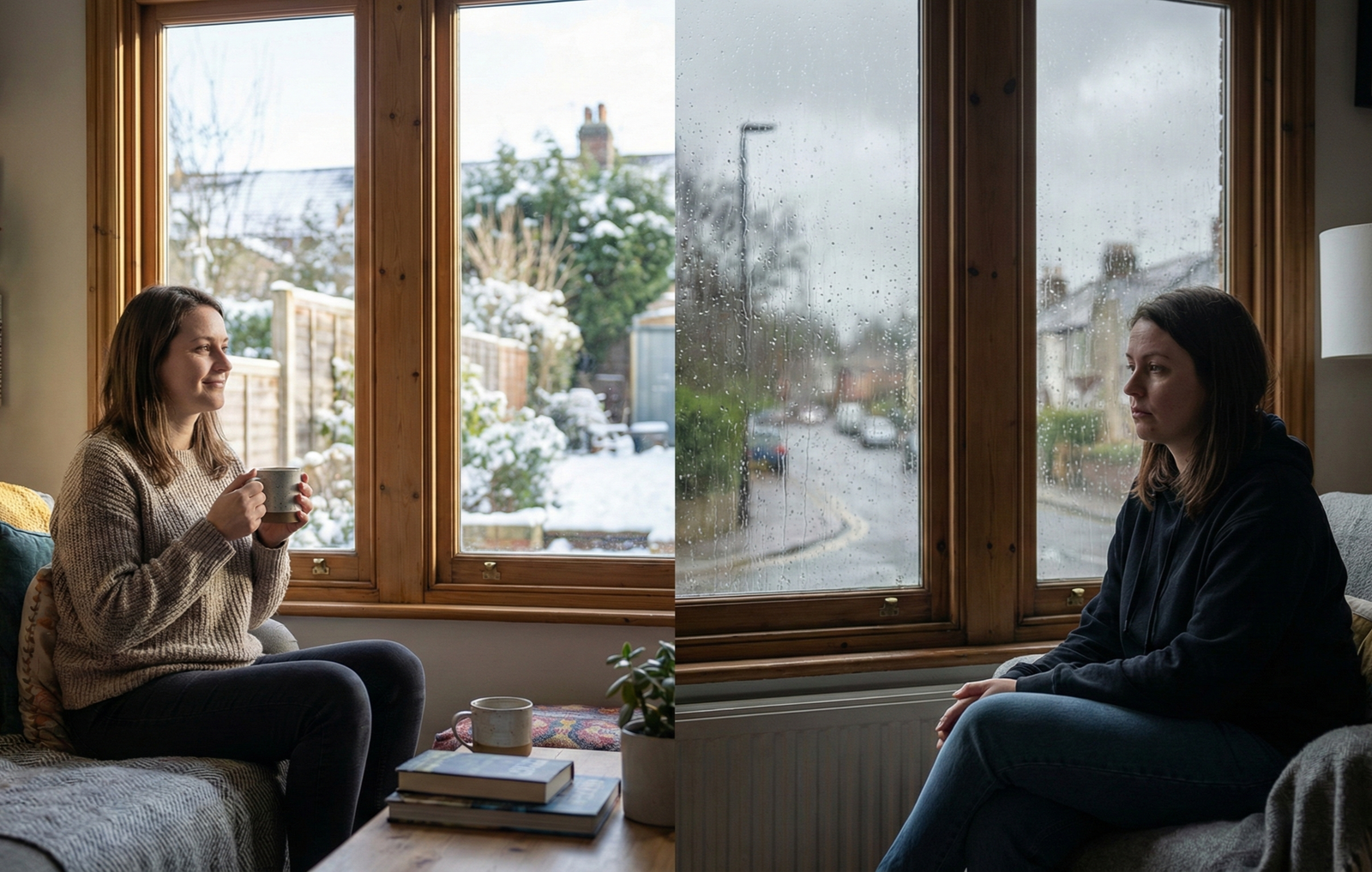
What Are Seasonal Mood Changes?
Seasonal mood swings are changes that happen during different seasons of the year. These mood swings may be minimal for some, but they can be very disruptive for others.
Common emotional patterns include:
- Low motivation during winter
- Increased irritability due to extreme heat
- Fatigue and brain fog during the monsoon season
- Restlessness of long summer days
Such changes do not necessarily signify weakness. The human brain is wired to procure responses to changes in the environment. When changes are made in the day, weather, and routine, it follows that mood swings will be an aftereffect. Identifying these changes helps define unnecessary self-doubts.
Why Do Seasons Have Such a Strong Impact on Mental Health?
To effectively comprehend the relation between weather and mood, it is important to appreciate the role that the brain plays in responding to environmental factors, such as exposure to light, in regulating the body’s circadian rhythm, which dictates matters such as sleep patterns, appetite, concentration, and emotional balance. This rhythm could be disturbed if the seasons change.
Key biological triggers include:
- Reduced sunlight and diminished serotonin levels
- Increased melatonin causes lethargy
- Temperature extremes resulting in hormonal stress
- Vitamin D deficiency and mood regulation
These changes take place unconsciously and without our control. Therefore, our experience of shifting moods can be quite abrupt or “out of character” even when our life circumstances remain stable.
The Science Behind Seasonal Affective Disorder (SAD)
Seasonal Affective Disorders represent the end of the spectrum of the seasonal disturbances in mood. Seasonal symptoms of affective disorders tend to occur at a particular time of the year, usually in the winter months, and lift as the particular season comes to an end.
Common symptoms include:
- Persistent low mood or sadness.
- Loss of interest in everyday activities
- Excessive sleep or insomnia
- Increased appetite, particularly for carbohydrates
- Difficulty concentrating
- Social withdrawal
Unlike regular bouts of sadness, these symptoms appear every year and disrupt daily life. SAD is no longer considered a legitimate reason for the season; it is recognized as a legitimate mental health issue in the United States.
Not All Seasonal Mood Swings Are Caused by SAD – Here’s the Difference
Of importance to recognize is the distinction between natural mood swings related to the seasons and clinical syndromes of Seasonal Affective Disorder. Emotional changes can take place without meeting the criteria of the latter.
Key Differences:
- In terms of the effects on human moods, the changes experienced during
- SAD symptoms are persistent and interfere with functioning
- Moods change over time, and SAD has a clear yearly cycle
- SAD usually requires professional care
Why Weather Influences Moods Differently for Different People?
One of the most common questions people ask is the explanation for why weather impacts the mood of some people, unlike others. The explanation lies in individual sensitivity or life context.
The factors that influence vulnerability are:
- Presence of genetic predisposition towards depression/anxiety.
- Past mental health history
- Childhood environment and climate exposure
- Quality of Sleep and Lifestyle Habits
- Work Routines & Indoor Living
An individual working many indoor hours of the day may be impacted by the reduced daylight more than someone working outdoors. The emotional impact of the seasons is subjective.
The Role of Sunlight, Hormones, and Brain Chemistry
Sunlight is the strongest environmental regulator of mood. As daylight hours shorten, serotonin levels decline; this correlates with increased melatonin production and resultant tiredness and melancholy.
This hormonal change is the basis for the occurrence of the symptoms seen in seasonal affective disorders because:
- Oversleep
- Low energy
- Reduced emotional resilience
- Slower cognitive processing
On the other hand, too much heat has been cited to make the body produce more cortisol hormone, which in turn leads to increased irritability or anxiety levels. The body is constantly adapting to external stressors, with the emotional system among the first to react.
How Seasonal Changes in Mood Appear in Daily Life?
Most people do not wake up feeling “seasonally depressed.” Instead, seasonal mood changes often quietly influence daily behavior.
You may notice:
- Procrastination is increasing without an apparent reason.
- Reduced interest in social interaction
- Emotional eating/appetite changes
- Difficulty adhering to routine
- Feeding mentally “heavy” or overstimulated
Because these changes may not be so abrupt, they get easily trivialized. If left unaddressed, however, they can fester over time and affect your confidence, productivity, and self-image.
Summer SAD and Heat-Related Mood Disturbances
Although winter SAD is more common, summer is also recognized as a trigger for seasonal affective disorder symptoms.
Summer-related symptoms may include:
- Insomnia
- Restlessness and agitation
- Loss of appetite
- Increased Anxiety
- Feeling overwhelmed by social activity
Extreme heat results in loss of sleep and physical discomfort, which will have a direct impact on emotional responses. This tells us that the weather influences moods even during “happy” seasons.
Emotional Impact of Monsoon and Gray Weather
Extended conditions of cloudy or rainy days decrease sensory stimulation and outdoor activities, resulting in low motivation and a lack of clear thinking.
Common monsoon-related seasonal mood changes:
- Lethargy
- Less Focus
- Low Social Energy
- Increased screen dependency
In the absence of visual brightness and regular interruption, there is emotional dullness too among people who may not have mental health conditions.
When Do Seasonal Mood Swings Turn into a Mental Health Concern?
“Seasonal changes are a concern when there are symptoms of mood.”
- Persists for weeks
- Interfere with work or relationships
- Affect sleep, appetite, or self-care
- Return every year at the same time
At this point, self-management of symptoms attributable to seasonal affective disorder should not take place. It is important to seek professional help as soon as possible to prevent the worsening of the symptoms and emotional distress.
Evidence-Based Ways to Manage Seasonal Mood Changes
Managing changes in mood patterns requires adaptation rather than denial. The end objective is emotional stability rather than forced positivism.
Effective strategies include:
- Daily exposure to sunlight or light therapy
- Regular physical movement
- Establishing sleep-wake cycles
- Balanced Nutrition with Vitamin D Support
- Limiting Social Isolation During Low Energy Periods
Making small changes works better than big lifestyle changes.
Therapy and Medical Support Available for Seasonal Affective Disorder
For moderate to severe symptoms of seasonal affective disorder, professional treatment may involve:
- Cognitive Behavioral Therapy (CBT)
- Light Therapy under Guidance
- Short-term medication if required
- Seasonal treatment plans rather than year-long therapy
SAD is a treatable condition. In fact, treating SAD early on doesn’t have to mean dependency. It means prevention.
Why the Weather-Mood Connection Matters in 2026?
In today’s stressful, indoor, screen-centric lifestyle, the question of why weather influences mood is more pertinent than ever. The diminished light, disrupted routines, and overstimulation make seasonal effects on mental well-being even more pronounced.
By understanding this association, people can:
- Plan energy-appropriate routines
- Reduce self-blame
- Obtain timely support
- Build Emotional Resilience
Mental health awareness is not optional anymore; it’s necessary.
Final Thoughts: Seasons Change, But Suffering Doesn’t Have To
Changes of the season are beyond our control, yet emotional suffering does not have to be. Whether you are dealing with small seasonal emotional shifts, identified seasonal emotional disorder symptoms, or merely desiring to understand the reasons behind the influence of the weather on mood, awareness is the starting point for making choices. Mood isn’t a personal failing—it’s a physical process. When we accord that process the respect it deserves, mental health can be practical, flexible, and sensible.