If you find out you have a brain tumor, you may have many questions. Does it always require surgery? Will the whole tumor be removed? “How long is the recovery going to be? How likely is it that the tumor will recur? Brain tumor surgery is a big job, and each patient has a different treatment plan. Its distance from vital parts of the brain, the type of tumor, and size all come into play. A neurosurgeon removes a brain tumor with the primary goal of causing as little damage as possible to the normal functioning of the brain. It is just as important to plan ahead as it is to have the surgery. Let’s see what happens before, during, and after surgery to remove a brain tumor. For more overview on patient care, you can read health tips and awareness guide.
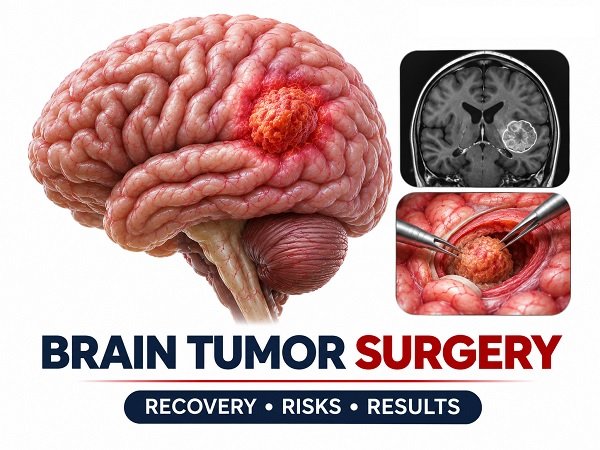
What’s the benefit of brain tumor surgery?
Surgery is one of the main ways to treat many brain tumors. But it doesn’t always have to be. If the small tumor is not growing or giving you problems, you may just need to have regular MRI scans and medical check-ups.
There are many reasons why a neurosurgeon may recommend surgery:
- To remove the growth: If it’s safe to reach the tumor, surgery may be able to remove one or more of them.
- To ease the brain of stress: As a tumor gets bigger, it can press on nearby brain tissue. You can take some of the pressure off by removing some of it.
- To find out what kind of tumor: Scan results don’t always tell the whole story. A small piece of tissue may be needed for testing, or via a specialized biopsy for brain.
- To control the symptoms: A tumor may cause headaches, seizures, weakness, or speech or vision problems. Surgery may help relieve symptoms the tumor is causing.
Doctors need to know the exact type of tumor to see if the patient needs radiation therapy, chemotherapy, or some other type of treatment.
Before a decision is made, the report, symptoms, and overall health of the patient are looked at. In some cases, a biopsy or other treatment may be better than removing the tumor.
What Happens Before Brain Tumour Surgery?
“There’s a lot of work done planning a surgery before the patient even walks in. The neurosurgeon needs to know exactly where the tumor is, because it is near other parts of the brain. It’s useful to understand this because different parts of the brain control different things such as movement, speech, memory, sight and balance. You can learn more about how specialists study the brain before surgery.
The following tests and checks can be done before the surgery:
MRI and CT Scan
MRI scans give doctors a lot of information about the brain, such as the location and size of the tumor. A CT scan is sometimes used to look inside the skull for signs of bleeding or other changes. This picture can be used by brain surgeons to figure out the safest way to get to the tumor.
An Overview of the Major Brain Structures
The tumor may be near the part of the brain that controls how you see, speak, or move. If you remove it without intending to, some of these functions may be altered.
This could allow the team to use unique brain scans and mapping methods, such as brain mapping before surgery, to discover which parts of the brain need special care during surgery.
Routine checkups and blood work
Before the surgery, the person may need to have blood tests, heart tests, and other medical tests. The people who work in anesthesia also check the health of the patient and any medicines they may be taking.
People who are having an operation are given instructions about what they can and can’t eat or drink and what medicines to take.
How is brain tumor surgery performed?
Brain tumors are often taken out with an open cut in the skull. In this technique, the neurosurgeon removes a small portion of the skull to reach the tumor.
The exact steps will depend on the location of the tumor and the type of surgery needed.
- Step 1: Putting the person to sleep: Usually the person is asleep when the brain tumor is removed. In this case the person is asleep so they do not feel any pain during the surgery. During the procedure, the anesthesia team monitors the patient’s breathing, heart rate, blood pressure, and other vital signs.
- Step 2: Arriving at the Hospital: A very careful neurosurgeon makes a little hole in the skull and opens it up. This hole we call a bone flap. Next, the doctor makes an incision in the covering protecting the brain so they can get to the growth.
- Step 3: Removing the tumor: The neurosurgeon will remove the tumor with a microscope and special surgical instruments. The surgeon might employ high-tech tools, such as brain maps, navigation systems, and monitoring tools, to help safeguard important parts of the brain. The amount that can be removed is dependent on the type of tumor, its size and its location. The aim is to remove as much as possible without destroying any more healthy brain cells than is absolutely necessary.
- Step 4: Prepare the surgical area: After the planned removal, the surgeon closes the brain’s protective covering. The bone flap is usually replaced with small plates and screws. The wound will be dressed with a bandage after the scalp is stitched or clipped together. The individual is moved to the recovery room and closely monitored.
The main thing is to remove tumors as safely as possible.
Sometimes the safest thing to do during brain tumor surgery is not to remove the entire brain tumor.
The tumor could be growing close to a part of the brain that controls movement, speech, vision or other important functions. Trying to remove all of the visible parts in this case can cause major problems.
That’s why neurosurgeons try to do the safest resection they can. It means taking out as much of the tumor as possible while keeping the brain functions normal.
For example, if a tumor is near the area of the brain that controls hand movement, the surgeon has to be very careful in removing it. Sometimes it’s better to leave a little piece behind than to become permanently weak.
In some cases, the surgical team may use brain mapping or awake brain surgery. In awake brain surgery, parts of the patient are awake while the doctors work on important parts of the brain. They can check speech or movement while they work.
This is not to say that the person having the surgery feels it. The team uses correct anesthetic and pain management techniques during the procedure.
It is contingent upon what the surgeon finds during the surgery and how safe the patient is. How much of the tumor can be removed?
What to Expect Right After Brain Tumor Surgery?
They are taken to either a recovery room or an intensive care unit, depending on the type of surgery and the patient’s health.
What do the doctors look at on the patient?
- The heart: the dos and don’ts.
- Breathing and getting enough air.
- How awake you are.
- Move your legs and hands.
- When they are needed: Brain functions such as vision.
They may also have an MRI or CT scan after the surgery. This allows the doctors to see how much of the tumor was removed and examine the area where the surgery was performed.
Some people may experience headache, nausea, fatigue, or swelling around the area of surgery. People who have these problems are watched, and medicine is given if needed to treat them.
The patient can sit up, stand up, eat, and walk with help when the doctors feel it is safe.
How Long Does Recovery Take After Brain Tumour Surgery?
“Everybody comes back differently. Some people recover in a few days; some people need more time and help.
How long it takes to recover depends on the location of the tumor; the type of surgery performed; the health of the patient; and the presence of complications. You can read more about what to expect before and after brain surgery.
The First Few Days Post Surgery
For the first few days, the doctors monitor the patient’s brain function and general health. Medicine may be given to control pain, swelling or seizures depending on the patient’s condition.
The person may be asked to sit up or to take short walks with help, if this is safe.
Stay in hospital
Most people stay in the hospital two to five days after a craniotomy, but not always. Some people may need to stay longer, depending on the type of surgery they had and how well they are recovering.
Before going home, the medical team reviews wound care, medications, activity restrictions and follow-up appointments with the patient.
Get Better From Home
The patient needs to get plenty of rest after going home. You may still have headaches and be tired for a little while.
The patient should follow the doctor’s orders regarding walking, bathing, driving, lifting heavy things, and going back to work.
Some patients may need physiotherapy, speech therapy or occupational therapy if the tumor or surgery has made it hard for them to move, speak or do everyday things.
It may take a few weeks or more to get better. It is important to have regular check-ups to ensure you are healing and to plan your next steps.
What are the potential risks of surgery to remove a brain tumor?
As with any major surgery, there are some risks associated with surgery for a brain tumor. There can be complications during surgery depending on the type of surgery done, the overall health of the patient and the size and location of the tumor.
Some of the possible risks are:
- Bleeding: Bleeding can occur during or after surgery and may require special treatment.
- Infection: The wound or the area around the brain may have an infection.
- Brain swelling: Can happen after surgery. You may have to take medicine and keep a close eye.
- Seizures: Some people may have seizures after surgery and require medicine to control them.
- Weakness: If someone damages a part of the body that controls movement, they may lose strength in an arm or leg.
- Changes in your speech or memory: Surgery near some parts of the brain can make it hard to understand, talk, or remember.
- Vision or balance problems: Depending on the location of the tumor and the area of the body being operated on, vision or balance problems may result.
Some people may need long-term care or therapy, while others may get better by themselves. The neurosurgeon will talk to the patient about the specific risks prior to the surgery.
Can a brain tumor return after it is removed?
Not necessarily. Just because a brain tumor has been removed doesn’t mean it won’t come back.
The type of tumor, its size, its location, and how much of it can be safely removed all influence its likelihood of returning.
Some tumors can be completely removed, and you may not need any further treatment for a while. Some people still have very small cells that are not visible on a scan or when surgery is performed.
Depending on the type of tumor, you may need additional treatment after surgery. Depending on the final diagnosis, this could include radiation therapy, chemotherapy, or Gamma Knife radiosurgery to target specific parts of the body.
MRI scan every so often is also important. They help surgeons check for any sign of tumor growth in the area where surgery was performed.
The success of brain tumor surgery is dependent on several factors.
There is no one right outcome for all patients. Several medical factors determine the outcome, such as:
- Tumor type: Various types of tumors grow differently and react to treatment differently.
- Tumor location: Tumors close to critical areas of the brain can be more difficult to remove safely.
- Tumor size: Bigger tumors can place more stress on the body and make surgery more difficult.
- Amount removed: How much of the tumor can be safely removed may determine if more treatment will be needed.
- Patients’ health: Their age, general health, and other illnesses may make it harder for them to recover.
- More treatment: Some people who have surgery will have radiation or medicine to kill any tumor cells that are left.
The goal of treatment is to not only remove the tumor but also to preserve the patient’s ability to think, move, talk, and do everyday things.
Choosing the Best Neurosurgeon for Brain Tumor Surgery
The planning and performance of surgery on a brain tumor requires a great deal of skill and experience. The neurosurgeon must be aware of the safest route to the tumor and its relationship to important areas of the brain. Patients and their families should discuss the reason for surgery, possible risks, how long it will take to recover, and any other treatment options that are available before deciding to have surgery. What does Dr Deepak Agrawal do? He treats brain and spine problems. To know more about the surgery, you can read this whole guide on Brain Tumor Removal Surgery.
Final Thoughts
Brain tumor surgery is more than just taking out a growth that shouldn’t be there. Another aim is to safeguard the areas of the brain that help people walk, talk, remember and live alone. But tumors are all different and the patient’s health, scans and reports must be carefully looked over before a treatment plan is made. A good plan for surgery and care afterward allows many people to move on to the next part of their treatment. You need to know what your options are and discuss the pros and cons with a team of neurosurgeons with a lot of experience. You can also explore amazing brain facts by neurosurgeon to learn more about neurological health.
Medical Review & Insight By:
Neurosurgeon | Expert in Brain & Spine Treatments & Gamma Knife Procedures