Protein is everywhere at present, but in 2026, the talk about protein will have reached its peak level. There is a higher number of individuals who seek to be in good shape, lose weight, and have a great health status. Moreover, there are increased concerns connected with weight loss medications, which may cause loss of muscle while body fat is reduced. Therefore, nowadays, people begin to understand that weight loss is more complicated than decreasing food intake.
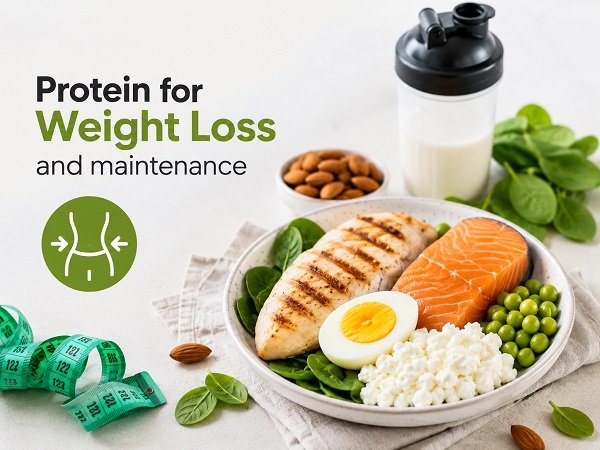
It also includes muscle preservation. It is necessary to mention that protein has a key part in this process since it may increase the feeling of fullness, preserve muscles, and help in maintaining weight loss. However, there are still questions about protein. How much protein should one consume? Is there any benefit from the increased protein consumption? Are plant proteins better or worse than animal ones?
What Distinguishes Protein From Carbohydrates and Fats?
Among the three essential macronutrients for the human body, there are significant differences in their functions. Carbohydrates are used primarily as an immediate source of energy, while fats contribute to the energy supply, production of hormones, and proper functioning of cells. However, unlike these two types of nutrition, the primary function of proteins is to build and maintain the tissues of the organism.
Proteins consist of smaller building units called amino acids. The role of amino acids lies in providing the necessary components for building various tissues, including muscles, skin, hair, organs, enzymes, and immune cells. Some amino acids can be synthesized by the human body; however, others have to be obtained via nutrition. People continue to have the misconception that protein is meant only for athletes or bodybuilders. In reality, everyone requires protein on a daily basis regardless of their age or physical activity level. They help to keep muscles strong, recover from sicknesses and injuries, feel full and satisfied after each meal, and become especially important as one ages due to the decrease in muscle mass. Protein is vital whether someone wants to lose weight, live healthier, improve fitness, or just be active.
The Science of Protein and Fat Burning
In addition to muscle-building purposes, protein has many other functions in the human body. It is especially related to weight loss due to the peculiarities of its metabolism. Namely, the body consumes energy for the digestion, absorption, and further utilization of the consumed food. Such an effect is known as the Thermic Effect of Food (TEF).
Protein Increases Metabolism During Digestion
As for the three macronutrients, protein takes the greatest portion of energy for digestion. Studies reveal that protein utilizes 20–30% of its calories for such processes. Compared to carbohydrate metabolism, which uses 5–10%, and fat metabolism, which uses 0–3%, protein takes more energy during the process.
To understand the difference, let us assume that one eats 100 calories of protein. Then, 20–30 calories will be spent on digestion and metabolism. While it is not enough to trigger a noticeable fat-burning effect, this process contributes to the increased metabolism of the body.
Findings From Recent Research
According to recent research, protein diets can help maintain weight loss and preserve muscle mass. It has become more crucial than ever in 2026, when many people resort to losing weight using medicines and quick weight loss solutions. Scientists have established that those people who receive sufficient protein during their weight loss efforts will preserve muscle mass and lose a high percentage of body fat. Protein diets can also decrease hunger hormones and satiate people for a longer time, which makes adherence to a healthy diet much easier.
Role of Protein in Calorie Deficit Weight Loss
Weight loss is still dependent on the ability of an individual to maintain a calorie deficit, which involves consuming fewer calories than the body uses. Maintaining a calorie deficit is difficult due to the tendency to experience increased appetite as weight loss efforts persist.
Protein assists by ensuring that the meals taken become more filling and helps in minimizing the need for snacking. Individuals who consume enough protein in their meals have an easy time in portion control, craving management, and compliance with the weight loss program. For this reason, many nutritionists recommend emphasizing the quality and consumption of proteins instead of the reduction of calories.
Simply put, protein facilitates weight loss through the burning of calories, satiety, and maintenance of muscle mass as fat is lost.
Protein and How It Helps Fight Hunger and Cravings
Of all issues when it comes to weight loss, dieting is just a small part; the main thing is how to cope with hunger, cravings, and the desire to snack constantly. Here, protein can show its effectiveness.
Ghrelin and Leptin Appetite Hormones
A person’s appetite depends on a number of hormones; however, the main ones include ghrelin and leptin. Ghrelin is also referred to as “hunger hormone”. The higher the level of ghrelin, the more hungry a person feels and wants to eat something.
Leptin can be called the “satiety hormone”. It tells the brain that it is enough, and it is possible to stop eating now.
It was found that protein-containing meals can help decrease ghrelin levels and improve satiety. That is the reason why people usually feel hungry immediately after eating a sugar-rich breakfast, while they feel more satisfied after having a protein meal.
Protein and Satiety
The definition of satiety is the state of being full after eating. Protein is thought to be the most satiating among the three macronutrients.
With sufficient intake of protein:
- Food remains more satisfying.
- Hunger comes back at a slower pace.
- Less craving happens during snack times.
- It is easier to control portions of food.
These are some ways that help in cutting down calorie intake naturally without feeling restricted.
Why Breakfast Rich in Proteins is More Effective?
People usually have breakfast consisting of carbohydrate-based products, like toast, cereals, biscuits, or beverages rich in sugars. They provide fast glucose spikes and drops resulting in the feeling of hunger in a couple of hours.
Proteins in breakfast help to regulate energy and hunger much better throughout the whole morning time.
Some examples of high-protein breakfasts:
- Vegetable omelet
- Yogurt with seeds and fruits
- Paneer bhurji with multigrain toast
- Dal chilla with curd
- Protein shake with milk and nuts
There are numerous scientific studies proving that people who have a higher amount of protein for breakfast consume fewer calories during the day.
Protein and Metabolism: Will It Make You Lose Weight Faster?
A lot of people are searching for methods of “raising their metabolism.” Unfortunately, no food raises the rate of burning calories by much. Nevertheless, there are some peculiarities of protein effects on metabolism, which help in losing weight.
What Is RMR?
The amount of calories burned daily without doing any physical activity is called RMR. The human body spends energy even while at rest due to such physiological processes as respiration, blood flow, hormone secretion, etc.
The muscles use more energy than fat tissues; thus, individuals with a higher percentage of muscle mass tend to burn more calories daily.
Increased Energy Expenditure
The two peculiarities of protein consumption that result in higher energy expenditure are as follows:
- It takes more energy to process protein.
- It preserves the muscle mass.
Though the increase is insignificant, it accumulates over time.
The Reason Why Metabolism Slows Down When You Are on a Diet
There have been many instances wherein people realize that losing weight gets much harder after the initial weeks of going on a diet. This is because metabolism slows down naturally when weight is lost.
When fewer calories are consumed:
- Energy conservation is practiced by the body.
- There are more hunger hormones.
- Fewer calories will be burned.
- Loss of muscle might happen because of insufficient consumption of protein.
How Protein Can Help Minimize This Slowdown?
Adequate protein intake during a caloric deficit will ensure that you preserve your muscle tissue. Muscle tissue preservation is essential since muscle tissue consumes calories daily.
Studies have proven that individuals consuming an adequate amount of protein along with strength training manage to preserve their muscles while shedding fat. Consequently, the slowing down of the metabolism is minimized in comparison with those who lose a lot of muscle tissue during a caloric deficit period.
To put it in simple words, there’s nothing magical about protein that can instantly speed up your metabolism; however, it will help you maintain your muscles, boost the number of calories that will be spent during digestion, and minimize the difficulty of sustaining a reduced weight.
How Much Protein Do You Really Need?
Perhaps one of the most frequent questions asked is, “How much protein should I be consuming daily?” Well, it will depend on various factors such as your age, lifestyle, general health condition, and even personal goals. In cases where you’re looking to gain muscle or lose weight, your protein intake may have to increase compared to other individuals.
As per the Recommended Dietary Allowances (RDA), it is recommended that we consume 0.8 grams of protein per kilogram of our body weight. Many professionals, however, believe that this is just the basic requirement and not the ideal intake.
Protein Requirements Based on Your Goal
| Category | Recommended Protein Intake | Example for a 70 kg Adult |
|---|---|---|
| Sedentary Adults | 0.8–1.0 g/kg body weight | 56–70 g/day |
| Active Adults | 1.2–1.6 g/kg body weight | 84–112 g/day |
| Weight Loss Goals | 1.6–2.2 g/kg body weight | 112–154 g/day |
| Muscle-Building Goals | 1.6–2.4 g/kg body weight | 112–168 g/day |
| Adults Over 50 | 1.2–2.0 g/kg body weight | 84–140 g/day |
Sedentary Adults
For individuals who spend most of their time inactive and engage in little exercise, the need for protein will be low. Nevertheless, protein plays an important role in muscle maintenance, building the immune system, and repairing body tissues. Most sedentary adults need about 0.8-1.0 grams per kilogram of their body weight.
Active Adults
Individuals who engage in walking, participating in various games and sports, cycling, running, or performing different types of exercises have increased requirements for protein as these activities increase muscle tissue repair and recovery. For such individuals, the daily consumption of about 1.2-1.6 grams per kilogram of body weight is usually advised.
Fat Loss
When the process of weight loss is pursued, the requirement for protein consumption rises. In case there is a deficit of calories in the diet, then apart from the loss of fat, muscles can be lost too. In order to maintain muscles, increase satiety, and minimize hunger, the protein intake should be increased. Most scientists advise consuming about 1.6-2.2 grams per kilogram of body weight.
Muscle-Building Objectives
If an individual desires to grow muscles, proteins supply the necessary amino acids, which allow muscle tissue repair and development due to training. According to the findings, between 1.6 and 2.4 grams per kilogram of body weight is enough to receive maximal muscle-building effects.
People over 50
Aging individuals tend to lose muscle faster than younger people. This condition is referred to as sarcopenia and might affect their well-being. Individuals over 50 would require more protein, i.e., 1.2 to 2.0 grams per kilogram of weight, if they wish to preserve muscle mass.
Why One Number Cannot Apply to Everyone?
Even if two individuals have the same weight, their protein requirements can differ. The reason behind this lies in age, level of activity, body composition, presence of diseases, and fitness goals. It is better not to follow one recommended number and vary protein intake depending on your lifestyle and personal goals. For healthy adults, dividing the required amount of protein equally among breakfast, lunch, supper, and snacks would be as useful as reaching the daily value.