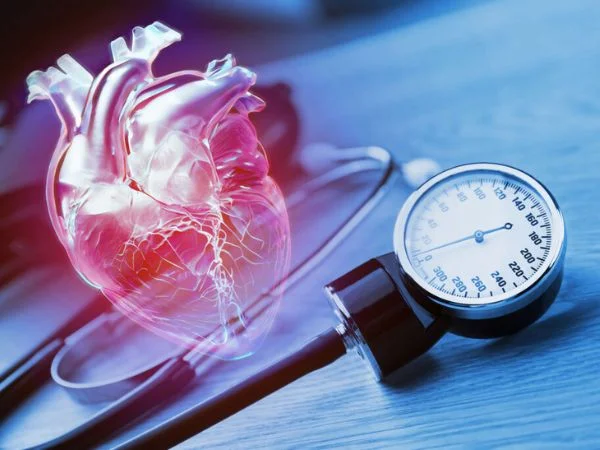
There is rarely any obvious symptom with high BP; hence, this makes a lot of people unaware that they suffer from this condition. However, sometimes you may feel headaches or fatigue. These are minor symptoms that are not easy to detect because they may seem like stress.
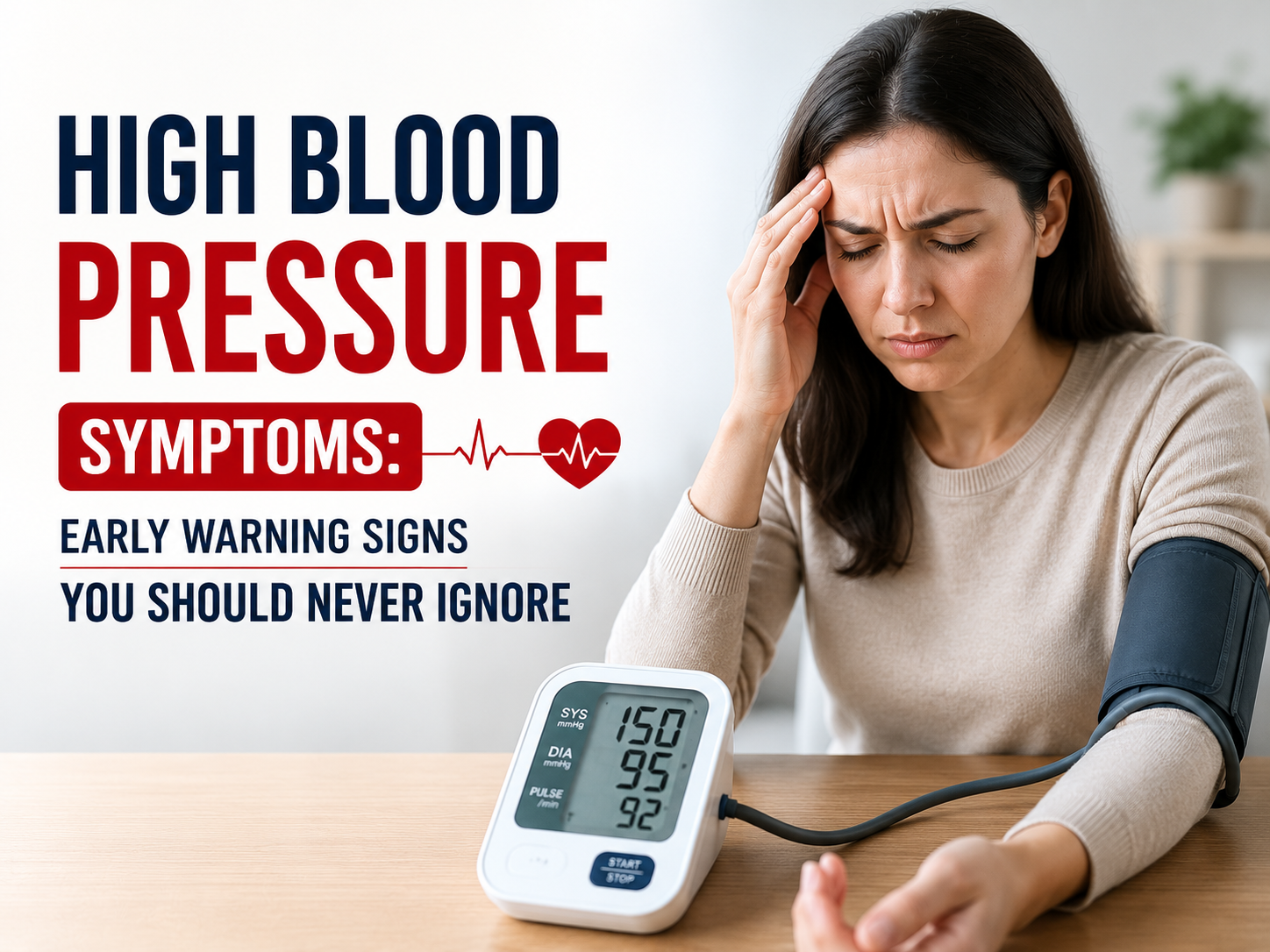
What is High Blood Pressure?
Hypertension, commonly known as high blood pressure, occurs when the pressure of the blood on the walls of your blood vessels is too high. Just like when you have water in a pipe, the pressure of the water will determine whether the pipes can function effectively. Blood Pressure, abbreviated as BP, can be indicated by two figures. It is considered to be normal when it is 120/80, and when it becomes consistently high, there must be something wrong.
Why is high blood pressure called a Silent Killer?
Hypertension is also referred to as a “silent killer” since the majority of patients do not experience any problems at the early stages of this disease. In fact, there are virtually no symptoms of high blood pressure or indications that one suffers from hypertension, and the disease persists inside the body for quite some time. During that period, however, it gradually affects the functioning of critical organs such as the heart, brain, or kidneys.
Indications of High Blood Pressure
Common Early Indications That You Can Look Out For
Even though high blood pressure has no distinct symptoms, your body can still provide subtle signs. They may not necessarily indicate anything, yet they could become early signs of high BP if frequently observed.
- Morning headaches: You may wake up with a heavy or tightening sensation in your head that refuses to go away.
- Dizziness: You may experience a sense of dizziness or imbalance without any apparent cause.
- Fatigue: You may constantly feel tired even after adequate sleep.
- Visual disturbances: Your vision may become blurred or impaired at times.
- Breathlessness: You may have difficulty breathing even when performing normal activities.
All these symptoms could be early indications of hypertension, even though their presence alone does not signify high BP. It is important to pay attention to such signs of hypertension.
Symptoms That Seem Similar To Anxiety Or Stress (May Actually Indicate BP)
Most BP symptoms often get mixed up with symptoms that could be caused by regular anxiety or stress. That is why individuals tend to neglect them, believing that they have had a rough day or are under some form of psychological pressure. However, such symptoms may be the first signs of hypertension.
- Heaviness in the head: This would manifest as an overwhelming pressure in one’s head.
- Rapid heartbeat: The individual would experience a rapid heartbeat even when they are at rest.
- Unsettled feelings: One would always feel unsettled and restless for no good reason.
- Exhausted yet unsure of the cause: One would always feel tired for the entire day, regardless of whether they rested well or not.
In most cases, such symptoms seem normal and are usually ignored, but they could be the earliest signs of hypertension.
When Should You Check Your Blood Pressure?
You should not wait for strong high blood pressure symptoms to appear. Many hypertension symptoms are very mild or confusing in the beginning.
- If symptoms repeat: If you keep feeling headaches, dizziness, or tiredness again and again, it can be one of the BP warning signs.
- If you feel “off” regularly: Even without a clear reason, if your body doesn’t feel normal for days, it’s worth checking.
- Routine checks: Even if you feel fine, checking your BP once in a while helps catch the early signs of hypertension before it becomes serious.
Simple Ways to Prevent or Control High Blood Pressure
- Reduce salt: You might not notice it, but extra salt in daily food slowly pushes BP higher. Try cutting down on packaged food, pickles, and salty snacks.
- Walk daily: A simple 20–30 minute walk can help your heart stay active and keep BP more stable.
- Manage stress: Stress can quietly raise BP over time, so small breaks, deep breathing, or short pauses in the day actually help.
- Sleep properly: Poor sleep can disturb your body’s balance and may increase high blood pressure symptoms over time.
FAQs
Can high BP go away on its own?
No, high BP usually does not go away on its own. It needs lifestyle changes and sometimes medicine. Ignoring hypertension symptoms can make it worse over time.
Is a headache always a sign of high BP?
No, headache is not always a BP warning sign. But if headaches keep repeating along with other high blood pressure symptoms, it should be checked.
Can young people have high BP?
Yes, even young people can have high BP due to stress, poor diet, lack of exercise, or family history. The early signs of hypertension can be missed easily in younger age.
How often should I check my BP?
If you are healthy, once every few months is fine. If you notice hypertension symptoms or have risk factors, check it more regularly as advised by a doctor.
Conclusion
High blood pressure doesn’t always give clear warning signs, which is why many people ignore it until it becomes serious. Small symptoms like headaches or tiredness can be early hints your body is giving you. Don’t ignore them. The simplest way to stay safe is regular BP checks and a few healthy daily habits.