If you ask most people about gut health, they will say “digestion.” But in clinical reality, gut health is not just about digestion. It is about how your entire body functions. Over the last decade, research has clearly shown that the gut is deeply connected to the brain, immune system, metabolism, and even skin health. This connection is not theoretical anymore — it is backed by strong clinical evidence from fields like gastroenterology and neuroscience.
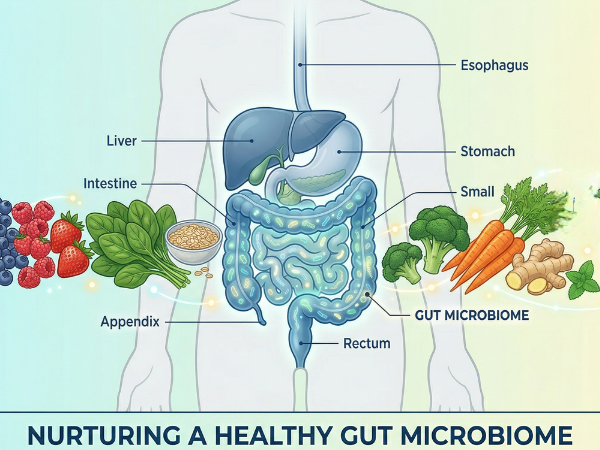
For example, studies on the gut–brain axis show that signals from gut bacteria can influence mood, stress response, and cognitive function. This is one of the most important gut health benefits that people still underestimate. \What makes this topic important today is that modern lifestyle is silently damaging gut health in most people — even those who appear “healthy.”
Understanding how to improve gut health naturally is no longer optional. It is a basic health requirement.
What Exactly Is Gut Health? (Clinical Understanding in Simple Terms)
Gut health refers to the balance and function of the gastrointestinal system, especially the gut microbiome.
The microbiome is a collection of trillions of microorganisms — mainly bacteria — living in your intestines. These microbes are not harmful by default. In fact, most of them are essential for survival.
They help in:
- Breaking down food
- Producing certain vitamins (like B and K)
- Supporting immune function
- Protecting against harmful bacteria
A healthy gut means:
- Diversity of good bacteria
- Controlled growth of harmful bacteria
- Proper digestion and absorption
When this balance is disturbed, the body starts showing early signs of poor gut health, even if medical tests are still normal.
Why Gut Health Is Important (What Research Actually Shows)?
1. Gut and Immunity
Around 70% of immune activity is linked to the gut. This is because the gut lining acts as a barrier and a communication center for immune cells.
When gut bacteria are balanced, they help control inflammation. When they are not, the immune system can become overactive or weak.
This is one of the strongest scientifically proven gut health benefits.
2. Gut–Brain Connection
The gut and brain communicate through nerves, hormones, and immune pathways. This is called the gut–brain axis.
Certain gut bacteria produce neurotransmitters like serotonin and GABA, which affect mood and mental health.
This explains why people with poor gut health often experience:
- Anxiety
- Low mood
- Brain fog
3. Metabolism and Weight Regulation
Gut bacteria influence how your body processes food and stores fat.
Some bacteria extract more calories from food, while others support better metabolism. This is why two people eating the same diet can have different weight outcomes.
4. Skin and Hormonal Health
There is a clear link between gut health and skin conditions like acne and inflammation.
Hormonal balance is also affected because the gut helps regulate estrogen and other hormones.
These combined effects show that gut health benefits go far beyond digestion.
Early Signs Your Gut Is Not Healthy
One of the biggest mistakes people make is ignoring early symptoms.
Common signs of poor gut health include:
- Bloating after eating normal meals
- Constipation or loose motions
- Constant fatigue
- Sugar cravings
- Skin issues like acne
- Poor concentration
These symptoms are often dismissed as “normal lifestyle issues,” but they are early warning signals.
From a clinical perspective, these signs appear before the disease develops, which makes them important to identify early.
What Is Damaging Gut Health Today (Realistic View)
In 2026, gut health issues are rising not because of one reason, but multiple combined factors.
1. Ultra-Processed Diet
Highly processed foods reduce microbial diversity and increase inflammation.
2. Chronic Stress
Stress changes gut motility and microbial balance. Long-term stress is directly linked to gut dysfunction.
3. Sleep Disruption
Irregular sleep affects gut bacteria and digestion cycles.
4. Overuse of Antibiotics
Antibiotics kill harmful bacteria but also damage beneficial ones.
5. Sedentary Lifestyle
Lack of movement slows digestion and affects gut motility.
If you want to improve gut health naturally, addressing these root causes is essential.
How to Improve Gut Health Naturally (Evidence-Based Approach)
This is where most blogs go generic. A real approach is practical and consistent.
1. Increase Dietary Fiber
Fiber acts as fuel for beneficial bacteria. Without fiber, good bacteria cannot survive.
Sources:
- Fruits
- Vegetables
- Whole grains
- Legumes
2. Include Fermented Foods
Fermented foods introduce beneficial bacteria into the gut.
Examples:
- Curd
- Buttermilk
- Traditional pickles
3. Focus on Prebiotics
Prebiotics are foods that feed good bacteria.
Examples:
- Garlic
- Onion
- Banana
- Oats
4. Improve Eating Habits
- Eat slowly
- Chew properly
- Avoid overeating
5. Maintain Physical Activity
Even moderate activity improves digestion and gut function.
6. Manage Stress
Stress directly impacts gut health through hormonal pathways.
These are the most reliable ways to improve gut health naturally without depending on trends.
Indian Diet and Gut Health (Practical Reality)
Indian diets, when followed traditionally, already support gut health.
Balanced meals like:
- Dal
- Roti
- Sabzi
- Curd
provide fiber, probiotics, and essential nutrients.
The problem is not the diet itself, but modern changes like:
- Increased processed food
- Reduced fiber intake
- Irregular eating
Restoring traditional balance can naturally improve gut function and provide strong gut health benefits.
The Missing Piece: Gut Timing and Biological Rhythm
One area that most blogs still ignore is meal timing.
Your digestive system follows a circadian rhythm. This means digestion is more efficient during the day and slower at night.
Late-night eating disrupts this rhythm and affects:
- Digestion
- Nutrient absorption
- Gut bacteria balance
This is why many hidden signs of poor gut health are linked to irregular eating patterns rather than just food quality.
Simple correction:
- Eat meals at fixed times
- Avoid late-night eating
- Keep a gap before sleep
This is a low-effort, high-impact change.
Quick Habits That Actually Work
- Drink enough water
- Walk after meals
- Add one probiotic food daily
- Reduce excess sugar
- Avoid unnecessary supplements
Consistency matters more than complexity.
These habits deliver real gut health benefits over time.
Conclusion
Gut health is not a trend. It is a foundation.
The body gives early signals, but most people ignore them until problems become serious.
The good part is that improving gut health does not require extreme changes. It requires awareness and consistency.
If you focus on the basics and follow simple habits, you will naturally improve gut health and see real improvements in digestion, energy, and overall health.