Most people think liver damage happens only because of alcohol. But in reality, many everyday habits slowly harm the liver without any warning signs. In India, Non-Alcoholic Fatty Liver Disease (NAFLD) is becoming very common. A large research review published on the National Library of Medicine found that about 38.6% of adults in India may have fatty liver disease, which means roughly 1 in 3 people are affected. The liver is one of the hardest-working organs in the body. It performs more than 500 functions, including removing toxins from the blood, helping digestion, storing nutrients, and managing metabolism.
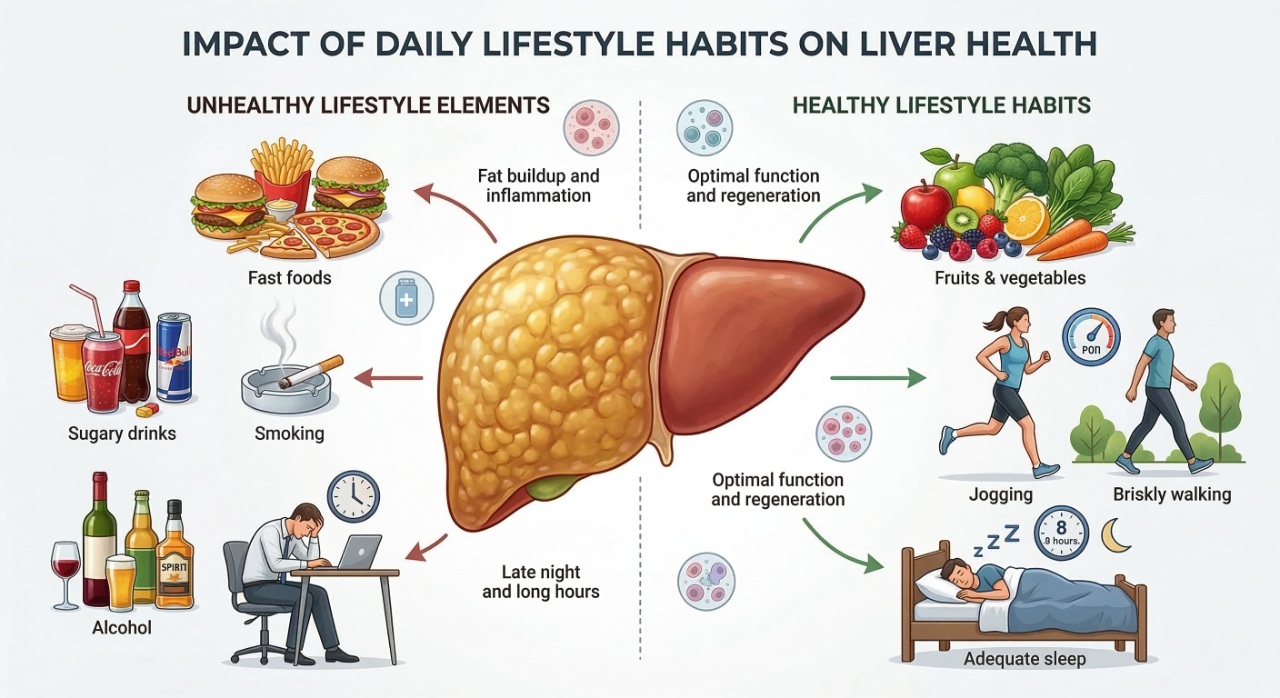
The problem is that liver damage usually develops silently. Many people only discover it during routine blood tests or scans. By that time, fat may already have started building up in the liver.
Modern urban lifestyles are making things worse. Long sitting hours, processed foods, stress, poor sleep, and excessive screen time are slowly putting pressure on the liver.
The good news is that early liver damage can often be reversed if habits are corrected in time.
In this article, we will look at 10 daily habits that quietly damage your liver and simple ways to fix them before they become serious health problems.
Why Liver Health Matters More in 2026?
Lifestyle diseases are rising quickly in urban India. Doctors are now seeing fatty liver not only in older adults but also in people in their 20s and 30s.
One reason is the modern work lifestyle. Many people sit for long hours, eat packaged foods, and sleep late because of work or screen use.
Fatty liver is strongly linked with conditions like:
- obesity
- diabetes
- high cholesterol
- metabolic syndrome
Studies show that obesity and insulin resistance are major risk factors for NAFLD.
If fatty liver is ignored for years, it can lead to serious problems such as:
- liver inflammation
- Liver scarring (fibrosis)
- cirrhosis
- liver failure
But there is an important point that many people do not know.
Fatty liver can often be reversed in early stages. Research shows that losing around 7–10% of body weight can significantly reduce liver fat.
Small lifestyle changes can therefore make a big difference.
Habit 1: Eating Too Much Sugar and Processed Foods
One of the biggest reasons for fatty liver today is excess sugar, especially fructose.
Fructose is commonly found in:
- soft drinks
- packaged juices
- biscuits
- cakes
- processed snacks
When the body receives too much fructose, the liver converts it into fat. Over time, this fat begins to accumulate in liver cells.
Even people who do not drink alcohol can develop fatty liver because of high sugar intake.
How to Fix It
Simple changes can reduce the load on the liver:
- Reduce sugary drinks
- Avoid daily consumption of packaged snacks
- Eat more whole foods like fruits, vegetables, and grains
- Choose home-cooked meals whenever possible
Even cutting sugar by half can improve liver health.
Habit 2: Skipping Meals or Doing Extreme Diets
Many people skip meals to lose weight quickly. Others follow very strict crash diets.
But extreme dieting can actually disturb the liver’s metabolism.
When meals are skipped frequently, the body starts storing more fat as a survival mechanism. This can increase fat buildup in the liver.
Very low-calorie diets may also slow down metabolism and cause nutrient deficiencies.
How to Fix It
Healthy eating works better than extreme dieting.
Try this approach:
- Eat regular meals
- Maintain balanced nutrition
- Include protein, vegetables, and healthy fats
- Avoid long periods of fasting without medical advice
Slow and steady weight loss is safer for the liver.
Habit 3: Poor Diet and Weight Gain
Obesity is one of the strongest risk factors for fatty liver.
People who regularly consume:
- fried foods
- fast food
- refined carbohydrates
- sugary desserts
Often develop visceral fat, which accumulates around organs, including the liver.
This fat can interfere with insulin function and increase inflammation in the liver.
How to Fix It
Focus on simple dietary improvements:
- Increase vegetables and fiber
- Choose whole grains instead of refined grains
- Limit deep-fried foods
- maintain healthy portion sizes
Even small diet changes can reduce liver fat over time.
Habit 4: Sitting Too Much
A sedentary lifestyle is becoming very common because of office work and remote jobs.
Many people sit for 8–10 hours daily with very little physical activity.
This reduces calorie burning and encourages fat storage in the body.
Doctors have noticed that a lack of exercise is strongly linked with fatty liver disease in young adults.
How to Fix It
Movement is one of the best medicines for the liver.
Simple steps include:
- walking 30 minutes daily
- Taking short breaks during work
- using stairs instead of elevators
- stretching every hour
Regular physical activity helps the liver burn excess fat.
Habit 5: Smoking
Smoking harms almost every organ in the body, including the liver.
Tobacco smoke contains toxic chemicals that increase oxidative stress in the liver.
This stress can damage liver cells and worsen fatty liver disease.
Smoking is also linked with a higher risk of liver fibrosis and liver cancer.
How to Fix It
Quitting smoking significantly improves liver health.
Helpful steps include:
- nicotine replacement therapy
- counselling support
- quitting apps or helplines
The liver has a strong ability to heal once harmful exposure stops.
Habit 6: Overusing Painkillers and Medicines
Many people take painkillers or medicines without thinking about their effect on the liver.
Certain drugs, especially paracetamol when taken in high doses, can harm the liver.
Unregulated herbal supplements can also be risky because some contain harmful chemicals.
How to Fix It
Always follow safe medication habits:
- avoid self-medication
- do not exceed recommended doses
- Consult a doctor before long-term medicine use
- be cautious with unknown supplements
Safe medication use protects the liver from unnecessary damage.
Habit 7: Poor Sleep
Sleep plays an important role in metabolism and liver health.
When people sleep very late or get less than 6 hours of sleep regularly, it can disturb their hormonal balance.
Poor sleep may lead to:
- increased insulin resistance
- weight gain
- higher inflammation
These factors contribute to fatty liver disease.
How to Fix It
Healthy sleep habits include:
- sleeping 7–8 hours daily
- avoiding heavy meals late at night
- keeping a regular sleep schedule
- Limiting caffeine before bedtime
Good sleep supports proper liver repair and metabolism.
Habit 8: Chronic Stress
Long-term stress can quietly harm the liver.
Stress increases the hormone cortisol, which can lead to:
- fat accumulation
- higher blood sugar
- inflammation
All of these factors increase the risk of fatty liver.
How to Fix It
Managing stress helps protect the liver.
Useful techniques include:
- walking or exercise
- meditation
- deep breathing
- spending time outdoors
Even 10–15 minutes of relaxation daily can reduce stress levels.
Habit 9: Drinking Too Much Alcohol
Alcohol is still one of the most well-known causes of liver damage.
When alcohol is broken down in the body, it produces toxic substances that can injure liver cells.
Regular heavy drinking can lead to:
- fatty liver
- alcoholic hepatitis
- cirrhosis
How to Fix It
If you drink alcohol:
- Keep intake moderate
- avoid daily drinking
- Take alcohol-free days each week
People with fatty liver should speak to a doctor about alcohol consumption.
Impact of Long Screen Time and Late-Night Digital Habits
Modern digital habits are creating another indirect problem.
Many people now spend 10–12 hours daily in front of screens due to work, social media, or entertainment.
Late-night screen use can disrupt sleep cycles because the bright light from devices interferes with melatonin production.
Poor sleep then affects metabolism and increases the risk of obesity and insulin resistance.
Since both obesity and insulin resistance are key risk factors for fatty liver, long-term digital exposure can indirectly worsen liver health.
How to Fix It
Healthy screen habits can help:
- Avoid screens one hour before sleep
- Take regular breaks during work
- maintain a fixed bedtime
- Limit unnecessary scrolling at night
Better sleep and balanced screen use support overall metabolic health.
Habit 10: Exposure to Environmental Toxins
The liver works as the body’s detox center. It filters harmful substances from the blood.
But constant exposure to environmental toxins can overload the liver.
Common sources include:
- polluted air
- chemical cleaning products
- pesticides
- contaminated food
Cities with high pollution levels may increase the burden on the liver.
How to Fix It
You can reduce toxin exposure by:
- improving indoor ventilation
- washing fruits and vegetables properly
- Limiting chemical products at home
- using protective masks in polluted areas
Reducing toxin exposure helps the liver function more efficiently.
Reversing Liver Damage: A Practical Action Plan
The encouraging news is that early liver damage is often reversible.
Simple lifestyle changes can gradually reduce liver fat.
Healthy Diet
Focus on natural foods such as:
- vegetables
- fruits
- whole grains
- nuts and seeds
- lean protein
Drinking enough water also supports liver function.
Regular Exercise
Aim for:
- 30 minutes of walking daily
- cycling or light jogging
- yoga or stretching
Exercise helps burn fat stored in the liver.
Regular Health Tests
Routine checkups help detect problems early.
Doctors may recommend:
- Liver Function Test (LFT)
- ultrasound scan
- FibroScan in some cases
Early diagnosis allows timely treatment.
Healthy Weight
Losing even 5–10% of body weight can reduce liver fat significantly and improve liver health.
Warning Signs You Should Not Ignore
Fatty liver often has no symptoms at first. But some warning signs may appear later.
These include:
- constant tiredness
- pain or heaviness in the upper right abdomen
- yellowing of skin or eyes
- loss of appetite
- unexplained weight loss
If you notice these symptoms, consult a doctor for proper evaluation.
People with diabetes, obesity, or high cholesterol should especially monitor their liver health.
Conclusion
The liver is one of the most important organs in the body, yet many people unknowingly damage it through daily habits. Excess sugar, poor diet, lack of exercise, stress, poor sleep, smoking, and environmental toxins can slowly lead to fatty liver disease. The encouraging part is that the liver has a strong ability to heal. With healthier habits, early liver damage can often be reversed. Simple steps like eating better, moving more, sleeping well, and reducing stress can protect your liver for the long term. Taking care of your liver today can prevent serious health problems tomorrow.