We are living in an age when the advancements of medical science allow for the implantation of organs, the eradication of life-threatening infections, and the diagnosis of diseases well before the onset of symptoms. Advances are being made at an unbelievable pace when it comes to hospitals, drugs, and health technology. However, at the same time, the incidence of chronic diseases is on the rise at an alarming rate. What is more complicating is the fact that chronic diseases like diabetes, heart ailments, obesity, cancer, thyroid, and autoimmune disorders are no longer rare or age-specific. They are increasingly becoming the norms of modern living.
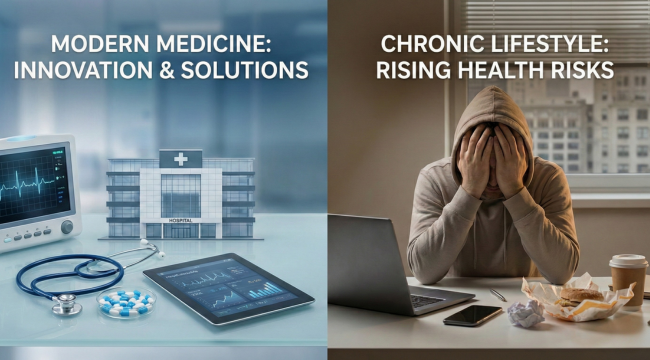
But such contradictions lead to a disturbing and relevant question. If modern medicine works so well, then why are chronic illnesses rising and not falling? This paradox has nothing to do with modern medicine. It depends on how we live, eat, work, think, and deal with modern life.
What Are Chronic Diseases, Really?
Chronic illnesses: These include health conditions that develop slowly with time and have
a high likelihood of staying with someone for an extended period, in most cases for an individual’s lifetime. Unlike conditions such as injuries and infection, which require universal precautions and clear symptoms to detect, chronic illnesses develop silently without symptoms.
Some common chronic diseases include:
Type 2 diabetes
Heart disease and high blood pressure
Obesity and metabolic syndrome
Cancer
Chronic respiratory diseases
Autoimmune and hormonal disorders
The growing burden of these conditions explains the global concern around the rise of chronic diseases, even in countries with strong healthcare systems.
The Modern Medicine Paradox
Modern medicine has done a great job at one thing: people are living. Through vaccinations, antibiotics, emergency care, and surgical advances, modern medicine has made a big difference in lowering deaths from infections and accidents. However, people living and being healthy are not necessarily synonymous.
Chronic conditions may not appear suddenly. They are the results of several years of unhealthy habits. Medicine only comes into the equation when the damage has begun to manifest. That is where the gap comes.
Doctors can lower blood sugar, lower cholesterol levels, and manage blood pressure, but they cannot overcome decades of bad lifestyle habits. This accounts for the rising number of cases of diseases with chronic causes despite advancements in treatment alternatives.
Modern Lifestyle and Chronic Diseases: The Core Connection
To truly understand why this problem is growing, we must look at how modern life has changed the way our bodies function.
1. A Life With Less Movement
Human bodies are wired to move. For millennia, life was physical – walking, bending, lifting – a life of physical exertion. Nowadays, for most people, much time is spent sitting at desks, in cars, and in front of screens.
Lack of physical activity slows metabolism down, weakens muscles, affects insulin sensitivity, and activates the deposition of fat. Chronic inflammation contributes to obesity, diabetes, heart disease, and problems with joints. This is a very strong link between modern lifestyles and chronic diseases that cannot be overlooked.
2. The Way We Eat Has Changed
Food is more accessible than it has ever been before. However, it is also more processed. Sweet drinks, carbohydrates, fried foods, processed foods, and additives are prevalent in most people’s diets.
These foods are meant for handling and enjoyment and never for nutrition. They bring about occurrences such as:
Blood sugar spikes
Insulin Resistance
Weight Gain
Chronic inflammation
This diet is having a significant role in the increase in cases of chronic diseases, which include metabolic and heart disorders.
3. Stress Has Become Normalized
The stress is no longer intermittent but has instead become a continuum. The factors that cause this stress include working pressures, economic instability, social pressures, digital overload, as well as the culture of comparison.
Stress triggers an increase in cortisol levels, disrupts the sleep cycle, amplifies food cravings, suppresses the immune system, and interferes with hormones. All these, in the long run, contribute to heart problems, digestive disorders, depression, and an autoimmune condition.
Whenever the question, “Why are the numbers of lifestyle diseases increasing?” is posed, chronic stress is one of the least discussed, yet most important possible reasons.
Why Lifestyle Diseases Are Increasing Among Young People
One of the most alarming trends is the rise of chronic diseases in younger age groups. Conditions once seen in people over 50 are now appearing in teenagers and young adults.
Excessive Screen Time
Phones, laptops, and TVs are embedded in our lives. Prolonged use of these devices is known to discourage our movement, our sleep patterns, and our eating habits, thereby adding to the risk of chronic diseases.
Nightmares in Children
“Late nights, irregular sleep patterns, and prolonged screen exposure have taken their toll on sleep quality. This is because sleep deficits directly influence metabolism, hunger hormones, as well as mental well-being.”
Childhood Habits from Unhealthy Environments
It appears that modern-day children begin exposure to junk food, technology addiction, and academic pressures at a very young age.
Environmental Factors We Often Ignore
It has also increased, with modern living, the exposure to environmental toxins: air pollution, chemical residues in food, plastic use, and water contamination affect human health in subtle but long-term ways.
These toxins interfere with hormones, immunity, and cellular repair mechanisms. While medicine may be able to treat symptoms, rarely does it address environmental exposures leading but quiet contributor to the causes of chronic diseases.
Aging Population, But That’s Not the Whole Story
Yes, people are living longer, and age is a natural risk factor. However, it cannot account for the rising tide of chronic illness in younger populations.
The real problem is not the age factor, but how we are ageing-with a weakened metabolism, poor muscle mass, hormonal imbalance, and mental burnout. While modern medicine extends health span, modern lifestyle determines health span.
Treatment Over Prevention: A Systemic Issue
Much of the healthcare around the world is focused on treatment rather than prevention. Medications can mask the numbers on lab reports, while lifestyle guidance is very often limited or rushed.
Most of the patients receive prescriptions, not education on:
- Nutrition
- Motion
- Managing stress
- Sleep health
This is a reactive approach and explains why the modern lifestyle and chronic diseases continue to be on the increase, unchecked.
The Role of Society and Policy
Individual actions are important, but the role of societal structures cannot be overstated. Walkable neighborhoods are not built. The longer the working day, the less time for personal care. Processed food costs less than fresh food. Mental health resources are scarce.
A public health strategy that focuses on preventative healthcare practices and healthcare environments, and access to healthy food and work-life balance practices, is able to reduce the incidence of chronic diseases.
What Can Individuals Do?
It may take time to make changes within the system, but changes initiated by an individual can have a great impact.
1. Move Daily
You won’t require aggressive exercise. Simple walking, stretching, and strengthening exercises will keep metabolism rates stable and protect you from many diseases.
2. Eat Closer to Nature
Emphasize whole foods, veggies, fruits, beans, healthy fats, and home-cooked food. Try to cut down on ultra-processed foods slowly.
3. Guard Your Sleep
Sleep is not an optional function. It is a vital function that is important for the regulation of hormones and the immune system.
4. How to Handle Stress
Stress reduction tips include mindfulness, breathing exercises, hobbies, social engagement, and setting boundaries.
5. Undergo Regular Health Check-ups
Early intervention can help stop small inequalities from leading to lifelong imbalances.
These measures directly respond to the rise of lifestyle diseases, providing a solution to turn around the trend.
The Future of Health: A More Balanced Approach
The future of health is all about integration: integrating modern medicine with lifestyle awareness. Technology, wearable devices, personalized nutrition, and preventive care models are gradually shifting the focus to long-term wellbeing.
True health will not come from hospitals; rather, it will be a product of homes, communities, workplaces, and daily habits.
Conclusion
The increase in chronic illnesses is not a failure of the practices of healing; it is a commentary on how out of touch our modern culture has become when it comes to our human biology. The role of modern medicine is to manage illness; it is not a replacement for physical activity, real nutrients, sleep, and balance.
The study of chronic disease causes involves understanding not only medications but also daily habits. The answer is in awareness, prevention, and inspired living.