Do you have headaches after using your laptop, scrolling on your phone, or spending hours in front of a screen? Are you waking up with a headache and thinking about your blood pressure? Daily headaches. They are annoying when you don’t know what is causing them. Some of the possible causes are eye strain, tension, lack of sleep, dehydration, and migraine. Another health condition people often think of in conjunction with headaches is high blood pressure, although it is not quite as straightforward as you may imagine. In his post, Dr Deepak Agrawal, a neurosurgeon at AIIMS New Delhi, discusses common causes and triggers of headaches in his detailed guide on understanding headaches, causes and common triggers. Knowing the symptoms, when they arise, and other signs can help you figure out what to do next. But symptoms alone don’t prove the origins of a headache.

Is eye strain causing headaches every day?
Yes, eye strain can lead to headaches, especially if you’re reading, using a computer or looking at your phone for long periods of time without taking breaks. Staring at a screen for hours might make your eyes feel tired and dry. You could blink less than you normally do. Poor lighting, glare on the screen, an improper prescription on glasses or an unpleasant viewing position might also create the problem.
Frequent symptoms of eye strain
You may notice:
- A dull pain around the forehead or eyes.
- Eye strain, discomfort, burning or dryness.
- You get fuzzy vision after you’ve been using screens for long periods of time.
- Difficulty concentrating after reading for a long time.
- Neck and shoulder ache from the position that you work in.
These symptoms may be more prominent toward the end of a work day, or after a few hours of staring at a screen.
According to the American Academy of Ophthalmology, too much time in front of a screen can cause short-term eye issues, including headaches and blurry vision. It does not usually in itself cause permanent harm to the eye. For overall wellbeing during long hours at a desk, you can read more about desk job fitness.
How to Minimize Eye Strain?
We’ve had a few little changes that can help us out:
- Follow the 20-20-20 rule: Every 20 minutes, look at anything 20 feet away for 20 seconds.
- Position your screen at a comfortable distance, roughly an arm’s length away.
- Adjust brightness according to the environment.
- Blink often and take short breaks from reading.
- If you get frequent headaches or blurred vision, get your eyes examined.
If you find you are still suffering from regular headaches despite taking breaks away from your screen, an eye test could help rule out vision issues or other disorders of the eye. You may also want to check guidance on red eyes symptoms, causes, and remedies if eye irritation persists.
Can High Blood Pressure Lead to Headaches?
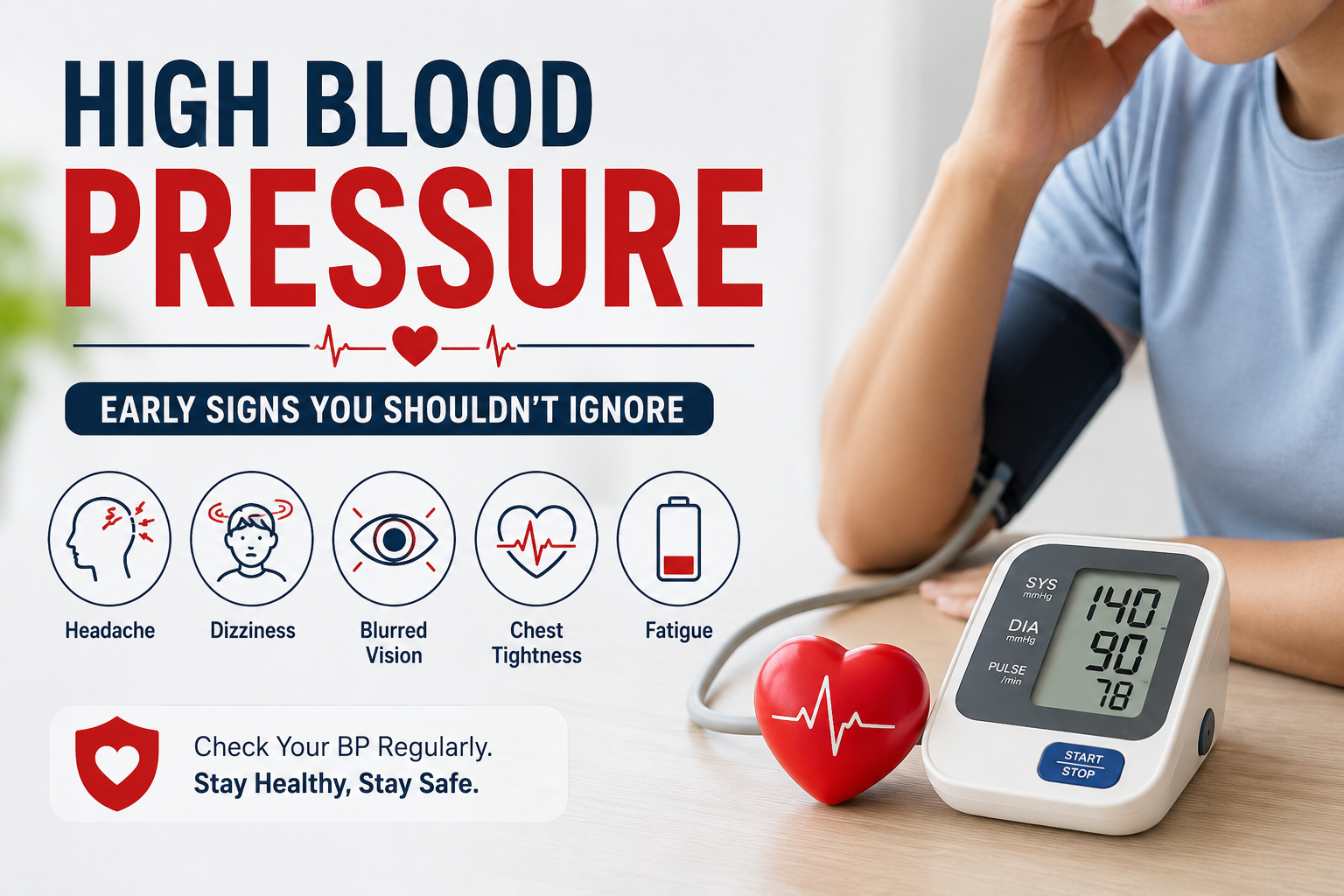
High blood pressure (hypertension) is often a condition without obvious symptoms. Many people carry it for years without ever feeling ill.
So a headache alone isn’t a certain sign of raised blood pressure. “You can have high blood pressure and not get a headache. “Sometimes you can have frequent headaches even with normal blood pressure.
Sometimes, a rapid and large rise in blood pressure might be a medical emergency, particularly if there are signs of damage to essential organs. Learn more about identifying early signs of high blood pressure.
Red flags you need to take care of right now
If your blood pressure reading is greater than 180/120 mm Hg, wait at least one minute and take your blood pressure one more time. If it stays that high and you have chest pain, trouble breathing, weakness, numbness, changes in vision, or trouble speaking, obtain emergency medical help right away.
Don’t wait till the symptoms go away by themselves.
If your reading is over 180/120 mm Hg and you do not have any of these symptoms, call your health care provider immediately to discuss your symptoms and for advice.
The American Heart Association says the only way to know you have high blood pressure is to have your blood pressure checked. You can’t tell if someone has high blood pressure only by whether they have a headache or not. You can also explore insights on high blood pressure: 10 signs you may be overlooking.
Eye Strain Or High Blood Pressure, Which Is It?
Both conditions need attention, but they are diagnosed differently. Visual tasks are often associated with eye strain. High blood pressure is established by blood pressure readings.
| Feature | Eye Strain | High Blood Pressure |
|---|---|---|
| Common clues | Tired eyes, dryness, blurred vision, headache after screen use | Often no noticeable symptoms |
| When it may be noticed | During or after prolonged reading or screen use | May be present without any symptoms |
| How it is checked | Eye examination and review of symptoms | Blood pressure measurement |
| What may help | Screen breaks, suitable lighting, correct glasses | Lifestyle changes and medication when prescribed |
| Can a headache confirm it? | No | No |
Spending hours at the computer and getting a headache is an indicator of eye strain but doesn’t imply eye strain causes headaches. Similarly, having a headache is not evidence of high blood pressure.
What if your headache comes from anything else?
Headaches can recur for numerous reasons, not just eye strain and high blood pressure. Others are prevalent as well:
- Tension-type headache: Usually described as pressure or tightness around the forehead or on either side of the head. They may be related to muscle stress and tension.
- Migraine: Migraine can cause severe throbbing pain, nausea, and sensitivity to light or sound. The pain might be on one side (unilateral) or both sides (bilateral) of the head. You can read more about managing migraines from symptoms to solutions.
- Dehydration: A common cause of headaches in some people, particularly when it’s hot outside or after they exercise. Check out the warning signs of dehydration.
- Poor sleep: Not getting enough sleep or having unpredictable sleep patterns can lead to headaches and can exacerbate existing headaches. You can also read about why sleep is necessary for humans.
- Sinus problems: When your sinuses get inflamed or infected, you could feel pressure, congestion, and pain in your face, forehead, or cheeks.
- Medicine overuse: Taking headache medicine too often can lead to medication-overuse headaches. You may also review expert insights on whether taking painkillers for headaches is safe.
Headaches can be caused and triggered by numerous things. Understanding headaches causes, and common triggers is an essay by Dr Deepak Agrawal which explains this. A health care professional may look for a pattern and associated symptoms to decide what to explore.
How to determine the cause of your daily headaches?
If you suffer from regular headaches, attempt to keep a record of when they happen and what you were doing. This might help your doctor to see the pattern.
Keep a headache diary
Please take note that:
- When it started and how long it lasted.
- Where you are in pain and how much it aches.
- Time spent in front of screens.
- How much sleep you had the night prior.
- Whether you missed a meal or drank less water than you typically do.
- Other symptoms such as blurred vision, nausea, or sensitivity to light.
If you suspect that you have high blood pressure, get a dependable blood pressure monitor and follow the necessary measurement protocols. Write down the readings. Provide the readings to your health care physician. Even if your blood pressure is normal, this does not mean that your headache is harmless. Other factors may need to be evaluated for chronic headaches.
When should you book an appointment?
If you get headaches that are frequent, getting worse over time, interfering with your ability to work or sleep, or not improving with your usual therapies, visit a doctor.
If you experience recurring episodes of decreased vision, difficulty focusing, or discomfort when using a screen, it may be worth getting an eye test.
Your doctor may check your blood pressure and symptoms, medical history, and prescriptions. Depending on the results, tests may need to be repeated or additional testing may be needed. You can also review guidance on when a headache is dangerous.
When is a headache an emergency?
Most headaches are not a sign of a life-threatening illness, but there are a few warning signs that should never be ignored.

- A very severe headache that comes on very suddenly and reaches max intensity in seconds to minutes.
- Headache with new weakness, numbness, confusion, or trouble speaking.
- A sudden loss of vision, or a major change in your vision.
- Intense headache with fever and stiffness of the neck.
- Severe headache following a major head injury.
- Blood pressure >180/120 mm Hg with symptoms of concern for acute event (e.g., chest discomfort, shortness of breath, neurologic abnormalities).
These symptoms could be due to serious illnesses that need to be evaluated urgently. Dr. Deepak Agrawal in his medical post revealed causes and warning signals of headache. If they are recurrent or unusual, it’s safer to get a full medical checkup instead of trusting your internet symptom comparisons.
Conclusion
If you suffer from headaches daily, don’t just think it’s eye strain or too much blood pressure. Eye strain from gazing at a screen too long might induce headaches. High blood pressure normally has no symptoms. Limit screen time, take frequent breaks, and remain hydrated and well-rested. If the irritation continues, get an eye check-up. If you’re worried about blood pressure, go get it checked, and don’t judge it based on your headache. For additional details, read Dr Deepak Agrawal’s essay on understanding headaches, their causes and common triggers, or explore frequent headaches as a sign of something serious.