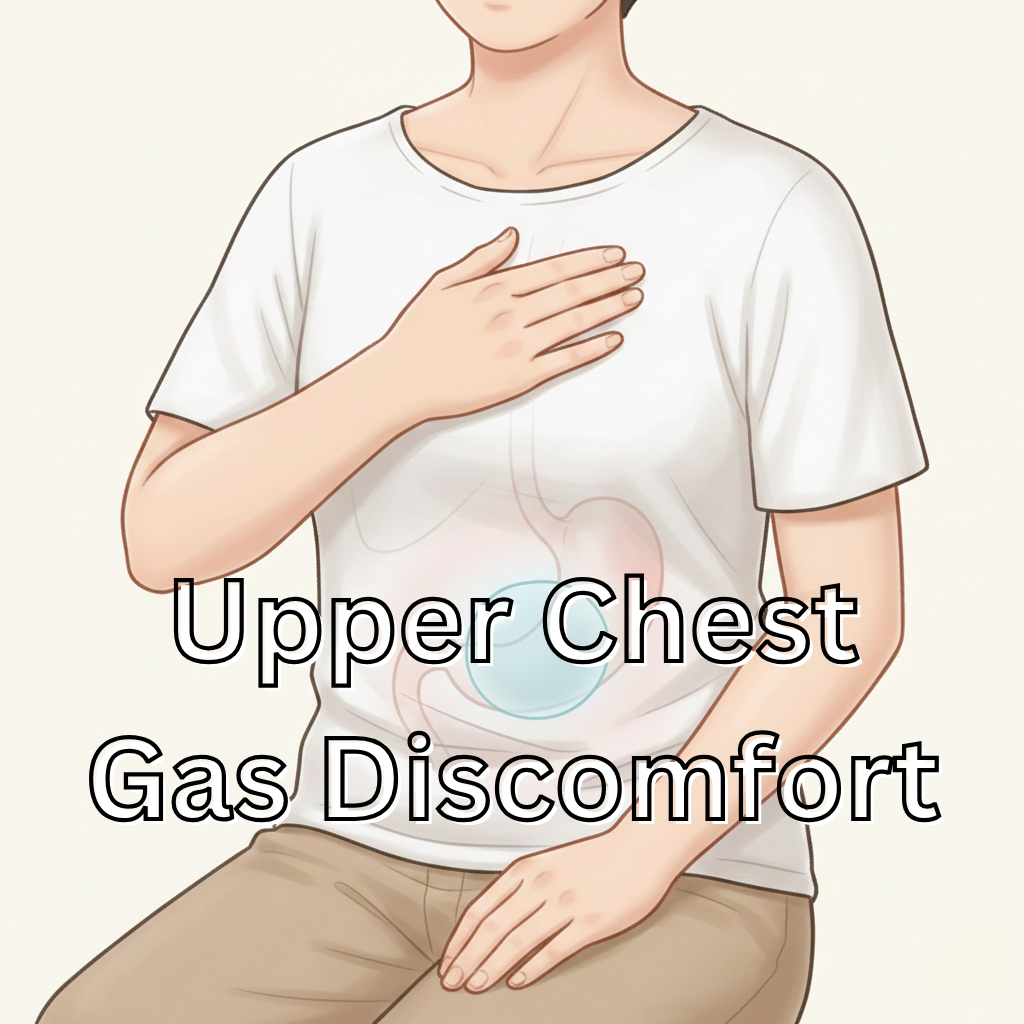
People often experience the sensation of trapped gases in the chest or in the upper chest region after consuming food. This situation can cause confusion and fear for the individual initially. This condition mostly occurs when there is an influx of gases retained in the stomach and fails to pass easily into the intestines. According to the U.S. federal health survey, the prevalence of bloating was 20%, indicating a significant presence of gas-related digestive issues. You may also experience gas caught under the ribs or chest pressure after eating, and basic actions and practices may be of assistance to relieve gas from the chest area immediately. Gas under the chest sometimes goes away by itself when the proper methods of gas relief from the chest are followed after consuming food.
Why Chest Gas Often Gets Mistaken for Heart Pain?
Upper body gas always looks frightening because sometimes it imitates the symptoms of a heart attack. Many people have experienced sudden pain, burning, or stinging pain of gas in the upper body, and panic begins. In Indian research, about 25% of individuals report experiencing regular symptoms of gas and bloating. Kabhi-kabhi pain left side mein hota hai, sweating ya discomfort bhi ho sakta hai, jo bilkul heart pain jaisa lagta hai.
Most cases are digestive, not cardiac in nature. Deep breathing exercises, walking, or position changes resolve chest gas discomfort within a few minutes. According to physicians, when discomfort decreases following burping or movement, the discomfort is due to gas in the upper chest and not the heart.
Research is presently underway that examines the link between the gut and the brain and how stress affects slowing down digestion, resulting in trapped gas in the chest once again. Easy dietary practices, stress management, and appropriate techniques to provide relief from gas in the chest can assist in treating gas under the ribs and chest pressure while eating.
Top Reasons for Upper Chest Gas: Starting from the Daily Diet to Gut Dysbiosis
Discomfort from gas in the upper body is not usually the result of only one factor. Most of the time, the buildup of trapped gas in the chest is the result of combined factors of diet, the rate of digestion, and personal health. This is because, after meals, the typical feelings of heaviness or pressure in the chest can be very uncomfortable and even worrying.
Main causes include:
Aerophagia (Swallowing Air): Eating too quickly, talking while eating, chewing gum, or drinking carbonated beverages puts excessive air into the body. This air creates discomfort due to the Gas Bubble phenomenon in the upper chest area shortly after meals.
GERD (Acid Reflux): Weak digestion or reflux of the acids can lead to air entering the esophagus, making it burn, squeezed, or as if gas is trapped below.
IBS (Irritable Bowel Syndrome): In IBS, the movement of gas through the bowel is reduced. Due to this, the gas moves up, and there is no relief from the chest.
Anal Fissure
H. pylori infection: This is a bacterium found in the stomach; it enhances the formation of gas and indigestible food in the body. Most individuals suffering from the H. pylori infection experience recurrent trapped gas in the chest region, accompanied by
Gut Dysbiosis (imbalance of gut microbes): This occurs when there is an imbalance of both the “bad” and “good” bacteria in the gut. This results in the fermentation of food; hence, gas pain in the
Diet factors triggering the problem: Fatty foods, dairy products, too much tea or coffee, and eating late at night can trigger bad digestion and build up gas trapped under the ribs.
Stress and Anxiety: Stress puts pressure on digestion and causes the muscles in the chest to contract, thus putting more pressure on the chest and causing gas to be delayed in being released.
Knowledge about these causes can ensure that you make proper decisions regarding appropriate relief measures, rather than reacting to it in desperation and ignoring it.
12 Instant Relief Hacks That Work Fast for Upper Chest Gas
In a sudden attack of uneasiness, following these easy steps can provide quick relief. These are most effective when trapped gas in the chest or a sense of heaviness begins after eating, and you need quick relief without getting into a panic.
Tier 1: Easy basics (start here)
1. Walk for 10-15 minutes – this helps to gently move the gases downwards.
2. Sipping warm water relaxes the stomach muscles.
3. Ajwain or Jeera Tea – Helps with Digestion & Relieves Gas in the Chest.
4. This tea, though known to be quite
Don’t lie flat on your back for the first few hours following meals. This helps ease the sensation of pressure in the chest region
Level 2: Respiratory and Massage Techniques
5. Deep abdominal breathing – Inhale through the nose, exhale slowly via the mouth.
6. Chest and Upper Abdomen Massage – Circular Motion Helps Gas Be Released from Under the Ribs.
7. Left-side lying – Assists the motion of natural gas.
8. Light stretching – relieving tight chest muscles associated with gas trapped in the chest.
Tier 3: Ayurvedic & posture-related Relief
9. Pawanmuktasana (wind-releasing pose): highly beneficial for
10. Vajrasana after meals – aids in digestion and relieves chest pressure after meals.
11. Warm compress on upper abdomen – relaxes trapped air pockets. 12. Slow chewing – helps prevent gas pains in the chest area in the future. These practices provide fast relief from gas in the chest within minutes. If done regularly, they help in reducing recurrence, digestion, and relieve gas in the chest when gas trapped under the ribs becomes an issue.
Roemheld Syndrome: Linking Gas Accumulation with Heart Palpitations via the Vagus Nerve
Roemheld syndrome describes how digestive gas can produce symptoms associated with heart problems. When too much gas accumulates in the stomach, the trapped gas in the chest presses against the underside of the diaphragm. This irritates the vagus nerve, which runs from the digestive system to the heart. This results in symptoms such as palpitations, missed heartbeats, nervousness, and gas in the upper chest due to problems with the heart when it is perfectly healthy.
This condition is commonly experienced after meals or whenever one is bloated, accompanied by chest pain. When gas builds up high in the stomach, gas below the ribs can build pressure on the diaphragm. This pressure interrogates the signals associated with the vagus nerve, which can affect the rhythm. This is why symptoms tend to worsen after meals and improve with burping, or even taking a walk or changing position.
Basic home remedies involving practices like breathing techniques, correcting body posture, and digestion techniques help manage chest gas relief by allowing gas to move towards the lower body. Over time, it minimizes recurring gas-related pains in the upper chest and chest pressures following meals. In fact, individuals who experience gas under their ribs regularly can also obtain chest gas relief permanently.
Indian Food and Weather Triggers That Affect Upper Chest Gas
Indian festivals are also the reason for many digestive problems. When it comes to the festival of lights, Diwali, overeating and different kinds of foods like fluids, sweets, and irregular meals can cause Gas accumulation in the chest. There can be Gas in the upper chest region a few hours after eating too much, feeling bloated and uneasy. Less movement and high humidity during prolonged celebrations result in reduced digestion.
Traditional foods
Adding dahi, idlis, or fermented rice helps in increasing the growth of intestinal bacteria and relieving gas pain present in the upper chest region. This is because this food increases the ease of digestion and helps in relieving chest pressure triggered due to intake. Moreover, taking a 10-minute walk outside helps in relieving gas in the chest region. Restricting the intake of sweets at night helps in relieving gas.
Mobile health applications, such as following eating, steps, and water consumption, assist in identifying trigger foods on time.
Sum up,
Upper chest gas may be very alarming, yet such incidents are normally a consequence of digestion problems rather than issues with your heart. Walks after meals, deep breathing, massage, and ingestion of food that is harmless to digestion can easily provide upper chest gas relief. Identifying potential causes for such conditions, whether it is Diwali Sweets, stress, or gas beneath your rib cage, will make it easier to avoid such conditions. Also, if you experience upper chest gas pain or pressure in your chest after ingestion, consult a physician to avoid potential risks. Proper knowledge, therefore, will make it possible to manage trapped gas in chest areas effectively.