Perimenopause is the natural transition period when a woman’s body gradually begins the process of menopause. During this transition, the ovaries begin to produce less estrogen and progesterone. These are the primary hormones that regulate menstruation, mood, sleep, and many other bodily functions. Most women believe this transition begins in their mid-40s. Indeed, it does for most women, and the average age is approximately 47 years old. However, new research in 2025 from UVA and Flo reveals that many women in their 30s, between the ages of 30 and 35, are already experiencing symptoms. In fact, more than half of the women in this age group reported symptoms.
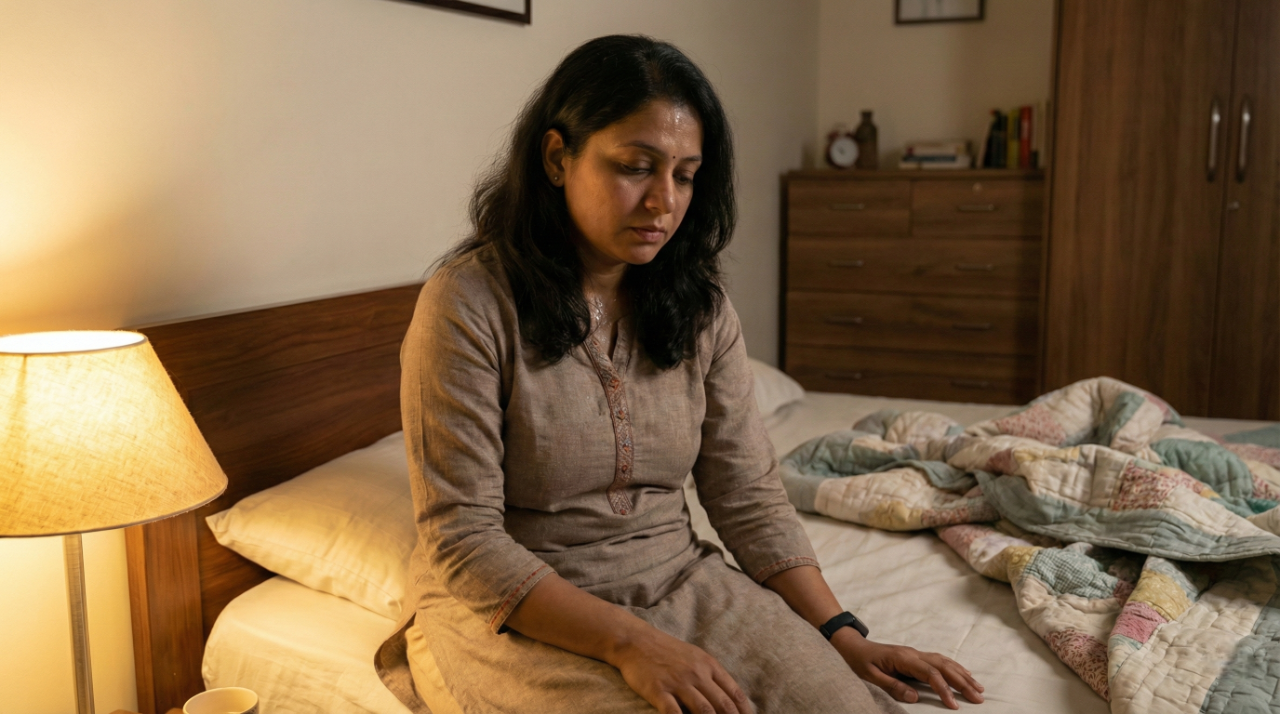
Another large misconception is that perimenopause is simply a time of hot flashes. Not so. For many women, mood swings, anxiety, brain fog, and sleep disturbances are the first symptoms to appear—sometimes even before irregular periods. But in 2026, the game is changing. New health-tracking wearables and telehealth resources are making it easier to monitor symptoms early and better understand what your body is experiencing.
What is Perimenopause?
Perimenopause is the period before menopause. This typically occurs for 5 to 10 years. Menopause is diagnosed when you have not had a menstrual cycle for 12 months in a row. Perimenopause is the period of time before that happens. During this period, your hormone levels do not decrease in a straight line. Instead, they increase and decrease. It is this fluctuation that leads to different symptoms.
If you are in your 30s or 40s and are experiencing symptoms, it does not necessarily mean that menopause has begun. It could mean that you are experiencing early perimenopause. Your menstrual cycles may still be occurring, but they could become irregular, heavier, or lighter.
Research indicates that symptoms tend to reach their peak between the ages of 41 and 45. Emotional and mental symptoms tend to be the first to develop. Physical symptoms such as hot flashes may follow. You mustn’t try to diagnose yourself. Pregnancy and thyroid conditions can lead to similar symptoms. A simple checkup with your doctor and some basic blood work can help you determine what is really going on.
Early Perimenopause Symptoms in Your 30s & 40s
Here are the early symptoms to look out for:
- Psychological symptoms (more common in 30s)
- Anxiety (often one of the first and most prominent symptoms)
- Irritability
- Mood swings
- Feeling sad or depressed
- Confusion or difficulty concentrating
- Loss of interest in sex
- Insomnia or difficulty staying asleep
- Other symptoms:
- Irregular periods (shorter, longer, heavier, or skipped periods)
- Heavy bleeding
- Breast tenderness
- Fatigue
- Heart palpitations
- Frequent urination
- Hot flashes or night sweats (less common in early years, but can occur)
- Joint pain
- Hair thinning or loss
- Other symptoms:
- Vaginal dryness
- Weight gain, particularly around the midsection
- Ongoing sleep disturbances
Every woman’s body is different. Some women experience subtle changes, while others experience a dramatic change even in their late 30s.
Perimenopause Diagnosis in 2026
In 2026, there is no single test that can definitely say, “You are in perimenopause.” Doctors consider your age, symptoms, and medical history. Blood tests can be helpful, but they are not foolproof because hormone levels are constantly changing. Tests may include levels of FSH (follicle-stimulating hormone), AMH (anti-Müllerian hormone), and estradiol.
These tests provide some clues, but they do not provide a final answer.
- If a woman is under 40 and has symptoms, doctors first check for POI (Premature Ovarian Insufficiency). This is not the same as perimenopause and requires proper medical attention.
- In 2026, tracking has become simpler. There are apps and devices such as Peri that help women track hot flashes, sleep, and changes in body temperature.
- In India, telemedicine has become common among women, and ABDM-compliant digital health platforms have made it simpler to consult a gynecologist online and talk about symptoms in private from home.
Lifestyle Changes That Help Manage Perimenopause Naturally
Before considering any medications, doctors recommend that women consider lifestyle modifications first. Simple changes in your daily routine can help alleviate many symptoms of perimenopause without any medication.
1. Exercise – at least 150 minutes a week
Exercise for 30 minutes, 5 days a week. This can be in the form of brisk walking, cycling, weight training, or dancing. Exercise helps with weight management, boosts mood, alleviates anxiety, promotes better sleep, and prevents weak bones. Weight training is crucial during your late 30s and 40s.
2. Eat a Mediterranean diet
Vegetables, fruits, whole grains, nuts, seeds, olive oil, and lean protein sources such as fish and lentils should be your main focus. This will help lower your risk of heart disease, regulate your blood sugar levels, and may also alleviate hot flashes and inflammation. Processed foods and high sugar intake should be minimized.
3. Practice stress management daily
Anxiety is already heightened due to hormonal changes. Adding more stress will make symptoms even worse. Simple yoga, deep breathing exercises, meditation, or even a 20-minute quiet time can help soothe your nervous system.
4. Stop smoking
Smoking can increase hot flashes and may also cause you to go into menopause prematurely.
5. Cut back on alcohol and caffeine
Too much alcohol can affect sleep and mood. Too much caffeine can raise anxiety levels and cause palpitations.
Just keep it simple. Stick to it. Your body will thank you for the steady routine rather than the quick fix.
Medical Treatment Options When Lifestyle Changes Aren’t Enough
When lifestyle changes are not enough, medical treatment can help. The right option depends on your age, symptoms, health history, and whether you still have your uterus. Below is a simple comparison to understand your choices.
| Treatment Type | Examples | Best For | Notes |
|---|---|---|---|
| Hormone Therapy (HT) | Low-dose transdermal estrogen + progestin (EPT), vaginal estrogen | Hot flashes (up to 75% relief), night sweats, GSM (genitourinary syndrome of menopause) | Considered safe for most healthy women under 60 or within 10 years of menopause. Estrogen-only therapy (ET) is used after hysterectomy. 2025 guidelines continue to support properly supervised HT. |
| Non-Hormonal Medicines | Neurokinin B antagonists (approved in 2025), SSRIs | Vasomotor symptoms (VMS), mood swings | Good option for women who cannot or do not want to take hormones (history of breast cancer, clot risk, etc.). |
| Local Estrogen Therapy | Vaginal cream, tablet, or ring | Vaginal dryness, painful sex, low libido | Works directly in the vaginal area. Minimal absorption into the bloodstream. Lower risk compared to full hormone therapy. |
In India, many gynecologists now offer telehealth consultations for evaluation and prescriptions. This makes it easier to discuss symptoms privately and start treatment safely under medical guidance.
Smart Tracking in 2026: Apps, Wearables & Symptom Monitoring
In 2026, dealing with perimenopause will be more feasible and evidence-based. You no longer have to wonder what your body is up to.
Begin by monitoring your symptoms. Devices such as Peri track changes in body temperature, hot flashes, and sleep. Apps such as Flo assist in recording mood swings, menstrual cycles, and physical symptoms. Once you notice patterns, it becomes simpler to cope with them or talk to your doctor about them.
Concentrate on protein-rich diets. Eat 20-40 grams of protein per meal. This will help preserve muscle mass, boost metabolism, and keep you fuller for longer. Eat eggs, paneer, tofu, dal, Greek yogurt, chicken, or fish. Drink plenty of water. Dehydration will only exacerbate fatigue and headaches.
To combat hot flashes, keep your bedroom cool at night. Use cotton sheets that breathe. Wear layers during the day so you can quickly strip off when a hot flash occurs.
Small changes in your daily routine can work wonders when your hormones are acting erratically.
Myths vs Facts About Perimenopause
Perimenopause is still misunderstood. Here are some common myths and the real facts:
| Myth | Fact |
|---|---|
| It only starts at 50 | Many women experience symptoms much earlier. Recent studies show about 55% of women aged 30–35 report perimenopause-related symptoms. |
| It happens overnight | It is a gradual transition that usually lasts 5–10 years before menopause (defined as 12 months without periods). Hormones fluctuate slowly over time. |
| You can’t get pregnant | You are still fertile during perimenopause. Ovulation may be irregular, but pregnancy is still possible until menopause is confirmed. |
Understanding the facts helps you prepare early instead of getting confused by sudden body changes.
When to See a Doctor
You should consider consulting a doctor if your symptoms are severe or impacting your daily life. You should not overlook symptoms of very heavy bleeding, bleeding between periods, periods that are shorter than 21 days, or periods that stop before age 40. You should also consider consulting a doctor if symptoms of anxiety, depression, or sleep disturbances are overwhelming.
If you are under 40 years and experiencing severe symptoms, you should consider getting evaluated to ensure that you do not have other health issues. In India, you can look for advice and credible sources of information from the Indian Menopause Society. Tele-gynecology consultations are also increasingly being used by women today for discreet and rapid consultations from the comfort of their homes. Perimenopause is not the end of youth. It is a transition. The earlier you monitor changes, the better it becomes to cope with them. Monitor early, thrive in 2026—your body’s signals matter. If you are experiencing symptoms, share in the comments below or consult a qualified doctor.