Our bodies need some kinds of healthy fats known as Omega‑3 fatty acids and Omega‑6 fatty acids. Omega-3s can be found naturally in foods such as Fatty fish, Flaxseed, Walnuts, and some types of oils. Omega-6s are found in many vegetable oils along with common cooking fats. Both are “essential,” meaning we must get them from the food we eat because our body cannot make them.
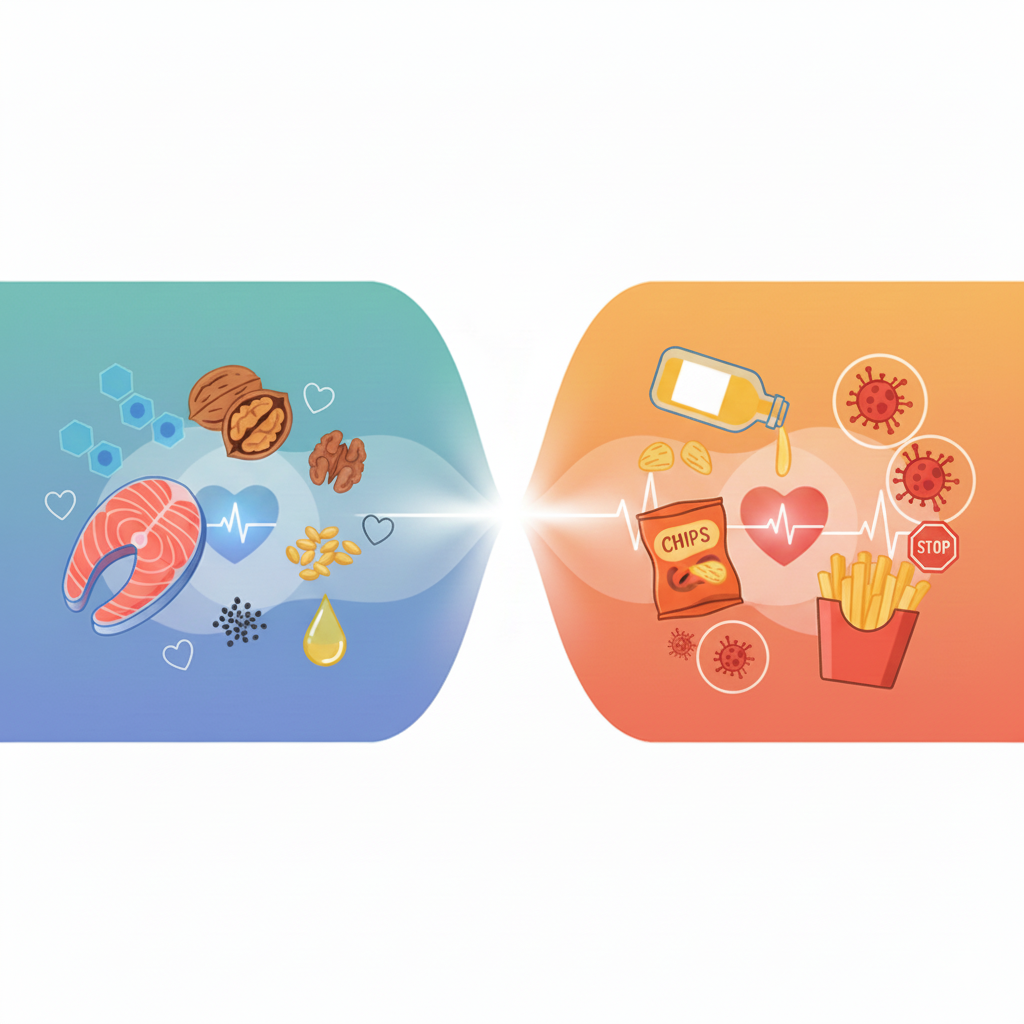
The National Institutes of Health reports that omega-3s from fish or plant foods are essential to health and recommends certain daily intakes to support overall well-being. But having “some fat” is not enough. It’s a question of balance between omega-3 and omega-6. While omega-3s tend to reduce inflammation and promote heart health and metabolism, too much omega-6 (especially when omega-3 is low) can encourage inflammation root of many chronic diseases. Indeed, studies have shown that the risks for obesity, inflammation, and metabolic problems decrease as the body has a better balance is, more omega-3 compared to omega-6.
This topic has great relevance in 2026, as diets are changing all over the world in general, and in India in particular. The consumption of more processed foods and oils high in omega-6 is increasing, while the consumption of foods rich in omega-3 remains very low. It becomes imperative to understand fat balance for long-term health in the face of growing chronic diseases like diabetes and heart problems. In addition, newer research and dietary guidelines go on to emphasize the quality of fats, not just the quantity.
What are Omega-3 and Omega-6 Fatty Acids?
Omega-3 and Omega-6 are forms of essential fatty acids. In other words, our body cannot manufacture them. We should get them from the food we eat. Both perform beneficial functions that keep us healthy.
Omega-3 fatty acids reduce inflammation and promote active brain function while keeping the heart healthy, along with maintaining eyes and nerves. They have been called “good fats” since they soothe the body by protecting cells.
Omega-6 fatty acids also supply energy to the body, promote skin and hair growth, and maintain healthy immune function. Too much omega-6 relative to omega-3 promotes inflammatory conditions.
Common Food Sources
Omega-3 rich foods include:
- Fatty fish: salmon, sardines, mackerel
- Flaxseeds and flaxseed oil
- Chia seeds
- Walnuts
- Soybeans and soybean oil
Omega-3 fortified foods (milk, eggs, breads)
Omega-6 rich foods include:
- Vegetable oils: sunflower, corn, soybean, safflower, cottonseed
- Nuts and seeds
- Processed and packaged foods made with these oils
- Fried and fast foods
The Inflammation Connection: How Omega-3 and Omega-6 Affect Your Body
While both Omega-3 and Omega-6 are essential fats for the body, they do have different effects on inflammation. Omega-6 fatty acids are generally pro-inflammatory in nature, meaning consumption in excess can raise inflammatory symptoms. A little inflammation is normal since it’s part of your body’s way of protecting itself from infections or healing injuries. But chronic inflammation can be damaging to your health if it gets out of control.
On the other hand, Omega-3 fatty acids are anti-inflammatory. They calm the body down, reducing swelling and protecting the heart and brain. Omega-3s are the natural “cooling system” of your cells.
These two fats work against each other, so it’s important to keep them in healthy balance. Most diets today contain far too much omega-6, derived from refined oils and processed foods, and not enough omega-3, which should be derived from fish, nuts, and seeds. Such an imbalance has the potential to push the body into a chronic state of inflammation.
An imbalance in the ratio of omega-3 to omega-6 increases the risk for heart diseases, autoimmune disorders, joint pains, mood disorders, and other chronic inflammatory diseases. Correction of this ratio involves increasing the intake of omega-3 foods and reducing excess omega-6 intake in modern life.
Current Typical Omega-6 to Omega-3 Ratios and Dietary Trends
Nowadays, people consume many more omega-6 fatty acids compared to omega-3. Our body actually needs both, but the perfect ratio should be around 4:1 or even 2:1, that is, omega-6 to omega-3. However, the modern-day diet reaches even up to 15:1 and even up to 20:1; this means omega-6 will be super high as compared to omega-3. This creates an imbalance and increases inflammation in the body.
Dietary changes are one of the major reasons for this imbalance. More people in today’s world depend on processed foods, fast foods, and packaged snacks. In general, these foods use cheap vegetable oils such as sunflower oil, soybean oil, corn oil, and safflower oil of which contain high contents of omega-6 fats. These oils are used because they are inexpensive, have a long shelf life, and enhance taste and texture.
While foods with omega-3 include oily fish, chia seeds, flaxseeds, walnuts, and different types of oil, these are eaten way less. This is why omega-6 ends up dominating our diet.
These trends, therefore, make reaching a healthy balance between omega-6 and omega-3 one of the biggest challenges in modern living.
Emerging Research and Innovations in Omega Fatty Acids
New research is providing a deeper understanding of omega-3 and omega-6 fats. Scientists now realize that besides influencing overall health, these lipids affect our cells and even our genes. New findings suggest that omega-3 fatty acids turn “off” certain genes associated with inflammation, whereas the omega-6 fatty acids can influence genes that control pathways involved in inflammation when the omega-6s are consumed in excess. Thus, your body is responding to these lipids at a genetic level, and this explains the importance of maintaining the right balance of these two types of lipids.
Another exciting development is personalized nutrition. Many health labs now offer genetic tests that check how your body processes fats. Such tests can reveal whether your body absorbs omega-3 slowly, if you are particularly sensitive to inflammation from too much omega-6, or if your intake of omega-3 needs to be higher than average. That way, people can choose foods and supplements with their personal biology in mind.
There are innovations in supplement technology. Firms are developing more advanced omega-3 capsules that absorb better, taste better, and have longer freshness. The plant-based sources of omega are also improving, with algae oil, chia, flax, and camelina gaining demand as alternatives to fish oil, especially among vegetarians and vegans. These modern options make it easier for everyone to keep a healthier omega balance.
Practical Dietary Guidance for 2026
In 2026, eating the right balance of omega-3 and omega-6 fats is easier because most of these new foods and superfoods are now widely available. Examples for solid omega-3 intake include options like fatty fish-which include salmon, sardines, and mackerel-chia seeds, flaxseeds, walnuts, hemp seeds, soybean products, and algae-based oils. Algae oil is in particular high demand since it is plant-based, sustainable, and rich in DHA, one of the most vital omega-3 fats.
Equally important is that food choices need to take into consideration sustainable and ethical sourcing. Opt for MSC-certified seafood, organic cold-pressed oils, nuts, and seeds produced locally. These not only support the environment but also ensure you get higher-quality fats with fewer harmful additives.
You can balance both omega-3 and omega-6 easily just by planning simple meals.
Sample Daily Schedule:
- Breakfast: Chia seed pudding with walnuts
- Lunch: Grilled fish or tofu on top of veggies, drizzled with flaxseed oil.
- Snack: Roasted makhana + a handful of almonds
- Dinner: Stir-fry vegetables, using a minimum amount of sunflower oil + a spoon of chia or flaxseed mix.
Finally, learn to read the nutrition labels. Check for:
Oils used-avoid foods high in sunflower, safflower, and soybean oils
Omega-3 content per serving
Added fats in processed foods
This helps you in making wiser decisions and maintaining a healthier fat balance every day.
Other implications of health beyond inflammation
But the proper balance of omega-3 and omega-6 oils affects a great deal more than just inflammation: these two types of fatty acids are fundamental to brain health, mental well-being, immunity, and longevity in general.
Brain & Mental Health:
Omega-3 fatty acids, especially DHA, are crucial components of the brain cells. They support memory, attention, and mood. Many research studies have pointed out that a high level of omega-3 may reduce the risk of anxiety, depression, and age-related decline of memory. On the other hand, excessive intake of omega-6 increases stress hormones and may worsen mood imbalances.
Immune System Support:
A balanced ratio helps the immune system function correctly-strong enough to fight off infections, yet not overactive. When omega-6 is in excess, the immune response becomes too aggressive, and may cause allergic reactions, autoimmune problems, or chronic tiredness. Omega-3 stabilizes the response and keeps it calm.
Healthy Aging & Longevity:
Emerging research underlines the value of a good omega-3/omega-6 balance for healthy aging. Omega-3s protect cell membranes, reduce oxidative damage, and support heart, joint, and brain function. Indeed, some studies go so far as to suggest that individuals with better omega ratios have longer telomeres, which are associated with slower aging and reduced risk of chronic diseases.
Disease Prevention: A healthier ratio is now associated with reduced risks of heart disease, metabolic disorders, cognitive decline, and certain cancers. This makes omega balance a crucial part of long-term wellness in 2026 and beyond.
Environmental and Ethical Perspectives: As more and more people strive for a rebalancing of omega-3 and omega-6 levels, it is important to first consider where the fats come from and how they affect the environment. Most sources of omega-3 foods depend on the ocean and fish stock; overfishing has become a concern because it takes away marine life, affecting the ecosystems thereof. Poor quality feed and crowded conditions pertaining to some fish farms raise other concerns, which not only affect the health of the fish but also the environment.
Choosing sustainable sources matters in 2026. To make better choices, look out for eco-friendly labels such as MSC-certified seafood, ASC-certified farms, and organic cold-pressed oils. When it comes to supplements, select brands that use algae-based omega-3 or fish oil made from responsibly sourced small fish like anchovies. Algae oil is an increasingly popular choice due to its plant origin, renewability, and because it does not harm ocean life.
Omega-3 fatty acids also relate to global health equity. Generally, minimally processed, health-promoting omega-3 foods are expensive or hard to come by in most low-income communities. On the other hand, highly processed, omega-6-containing foods are cheap and widely available, thereby widening nutritional disparity and increasing disease risk. For this reason, it is important to support sustainable agriculture, local production of seeds, and affordable products produced from algae to ensure equal access to healthier fats across the world.
Technology and Tools for Monitoring Your Fatty Acid Balance
In 2026, it has become much easier to understand your omega-3 and omega-6 levels with the help of modern technology. Many health apps and smart devices now track inflammation markers, diet patterns, and fatty acid intake. Some apps allow you to scan food labels, log meals, and instantly calculate how much omega-3 and omega-6 you are consuming each day. This helps you see whether your diet is balanced or too heavy in omega-6.
There are also simple home blood test kits that check biomarkers like omega-3 index, CRP (inflammation marker), and fatty acid profiles. These tests can show if your body has enough omega-3 or if inflammation risk is rising. Results are usually linked to your phone so you can track changes over time.
AI technology has made things even more personalized. AI-driven nutrition platforms now analyze your diet, genetics, lifestyle, and blood markers to give customized advice. They can suggest foods, supplements, and meal plans that match your personal omega needs. Some apps even send daily reminders on what to eat, how much oil to use, and which foods to avoid to maintain a healthy fatty acid balance.
These tools make it easier for anyone to take control of their omega balance and overall health.
Sum up,
Maintaining good health in the year 2026 revolves around striking a balance between omega-3 and omega-6 fatty acids. These essential fats impact everything from inflammation and immunity to brain health, mood, and long-term disease prevention. Modern diets, processed foods, and high omega-6 oils have made this all much more difficult to achieve. The good news is that with some knowledge and the right tools, everyone can improve their fatty acid ratio: consuming more omega-3–rich foods, choosing sustainable and ethical sources, reading food labels correctly, and limiting excessive omega-6 oils make a huge difference. The new research, genetic testing, and AI-based nutrition apps make it easier than ever to understand your personal needs and adjust your diet accordingly.
As the world moves toward healthier living, sustainable food choices, and personalized nutrition, maintaining the right omega balance is no longer just a passing fad-it’s a long-term investment in your overall well-being and healthy aging. Smarter daily choices can help support your heart, brain, immune system, and future health-starting today.