In the past couple of years, doctors around the world have spotted a worrying trend: serious health conditions that were common only after the age of 50 are now turning up in people as young as 25–40. About 20–50% of new cases of many lifestyle-linked diseases around the world are now reported in people below 40. This is not just a number; this is a wake-up call, really. India, with its fast-paced lifestyle, long working hours, rising stress, and easy access to processed food, is seeing this trend even more sharply. Young adults who look perfectly healthy from the outside are getting diagnosed with issues much earlier than ever before.
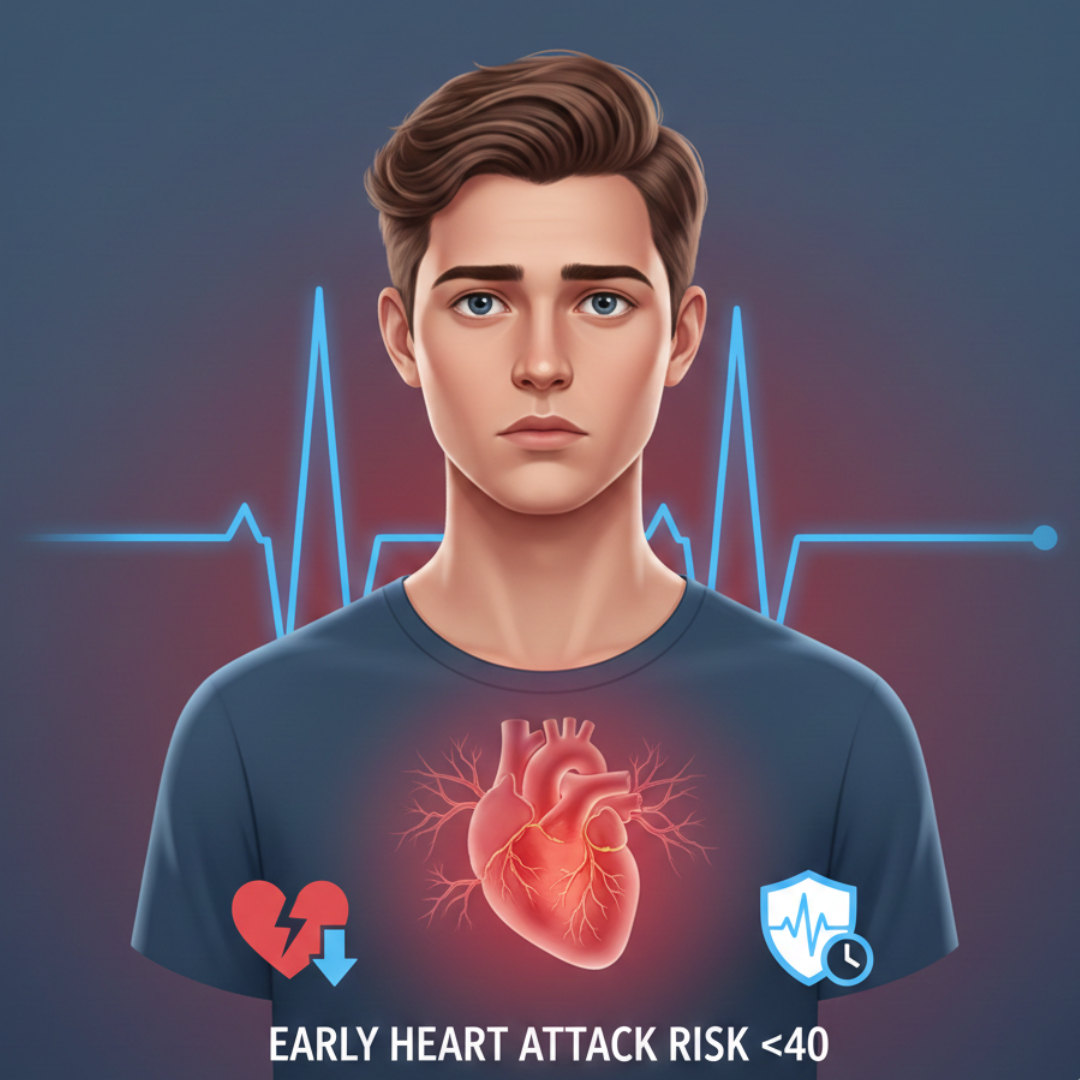
This rise is a cause for alarm because it silently affects productivity, mental health, long-term well-being, and even financial stability. Many ignore early warning signs in their 20s and early 30s simply because they believe they are “too young” to fall sick. But data is proving otherwise now.
This is not an intimidating introduction, but rather one aimed to make one take charge. Understanding this early shift will go a long way in empowering you to act on time, build healthier habits, and protect your future self. Your 20s and 30s aren’t too early for awareness; as a matter of fact, they might be the most important years in which to start paying attention.
Shocking Statistics and Trends
Recent 2025 data paints a very clear and concerning picture. There has been a steady 2% annual rise in lifestyle and inflammatory condition-related hospitalizations across major hospitals, especially among people who are supposed to be in their fittest years. What is even more alarming is that 1 out of every 5 new cases now comes from the 18–40 age group—a pattern that was extremely rare just a decade ago.
According to experts, the post-COVID era has accelerated this trend. Long-term inflammation, fatigue, hormonal changes, and weakened immunity after COVID infections are being reported by many young adults. Their lingering effects now manifest in the form of early chronic symptoms, sudden health episodes, and faster progression of hidden issues. Added to that is high stress, irregular sleep, and a diet of processed foods, which multiply the risk.
These figures are shocking, not because they are large, but because they involve people who were never expected to be at risk. These emerging trends clearly indicate that health challenges are no longer “old age problems.” This shift for the young readers is a reminder that early care, prevention, and awareness are now imperative, not optional.
Read also: Heart Attack in Women: 8 Overlooked Symptoms You Should Never Ignore
Smoking: The Leading Trigger
Regarding cardiovascular diseases, smoking is among the most powerful and dangerous triggers of early heart and artery troubles. Correspondingly, in individuals under 40 years of age, 50-65% of all early cases are related directly to tobacco use, cigarettes, hookah, vapes, and even just “social smoking.” The thing that makes smoking so detrimental is not just the nicotine addiction, but rather the way tobacco assaults your arteries from the inside.
Every puff of smoke causes a spasm in the blood vessels: they suddenly constrict and reduce blood flow. And when this keeps happening, the arteries get inflamed, stiff, and damaged far ahead of time. Over time, such spasms promote the formation of minute clots, which can block the blood supply to the heart or brain without warning. This is why young smokers are increasingly showing up with chest pain, sudden breathlessness, or even severe episodes, which were earlier seen only in older age groups.
But the risk multiplies when you combine smoking with stress, poor sleep, or a family history of heart problems. Even occasional smoking isn’t as “safe” as many believe because the spasms and clotting effect begin immediately. The message is simple: tobacco damages early, progresses quietly, and strikes suddenly. Quitting now could be the biggest long-term investment in your health.
Obesity and Metabolic Risks
Today, obesity is not just about weight; it’s a huge metabolic trigger factor that nudges young adults into premature diabetes, hypertension, and heart problems. With long sitting hours, negligible physical activity, and diets high in sugar, refined carbs, and processed foods, the body starts developing insulin resistance much earlier than ever before. This means your cells stop responding correctly to insulin, which raises your blood sugar. Over time, this sets off early-onset diabetes, silently damaging your blood vessels.
Besides this, extra body fat, particularly around one’s belly, creates inflammation and puts continuous pressure on the heart. This is one reason why people in their late 20s and early 30s are getting high blood pressure diagnoses, a condition once associated only with older adults. High BP can strain the arteries and accelerate the buildup of plaques, which are the fatty deposits blocking blood flow.
The combination of obesity, diabetes, and hypertension is extremely dangerous in that it accelerates the aging of arteries. Younger adults usually do not notice symptoms until something serious happens. The good news? Even small lifestyle changes-better food choices, moving more, and managing stress-can reverse early risks and protect your heart long-term.
Chronic Stress and Sleep Deficit
Chronic stress has silently become one of the biggest health disruptors for young adults. Long working hours, deadlines, pressure on relationships, and constant digital engagement keep the body in a continuous “alert mode.” When this happens, the stress hormone cortisol stays too high for too long. High cortisol not only affects your mood but also directly inflames the body, raises blood pressure, disturbs blood sugar levels, and weakens the immune response. Over time, this creates a perfect environment for early metabolic and heart problems.
The risk is further elevated by sleep deprivation: most young adults need 7–8 hours of rest, but typically get 5–6 hours. And that deficit has real biological consequences. Poor sleep interferes with hormone balance, increases cortisol levels, and prevents the body from making the necessary repairs to damaged tissues. Research now demonstrates that chronic stress coupled with inadequate sleep increases the risk by 20–30% for early hypertension, insulin resistance, and inflammation-based diseases.
It’s hard to break the vicious cycle of high stress coupled with low sleep; you’re tired, eat lousy food, don’t have the motivation to exercise, and generally increase the risk. And it starts with small, consistent steps-better sleep hygiene, small mental breaks at work, breathing exercises, and digital overload management. Your mind is as much in need of protection now as is your body.
Unhealthy Diets and Processed Foods
Junk foods and processed meals are a part of daily life for most young people in today’s fast-moving life. Burgers, fries, packed snacks, sweetened coffees, instant noodles, and bakery items might seem convenient, but they’re just full of refined sugars, unhealthy fats, and additives harming your body very silently. These foods create spikes in your blood sugar very frequently and increase inflammation that constantly stresses your arteries.
Predictably, over time, this type of eating pattern results in the early development of fatty deposits in the blood vessels. These days, even young people in their 20s and early 30s are already showing plaque formation in the arteries-just what doctors would expect to see later in life. High sugar intake also promotes insulin resistance, a predisposing factor for early diabetes. Meanwhile, the processed oils and trans fats lurking in fried and packaged foods stiffen the arteries, further setting them up to develop dangerous plaques.
What really worsens this risk is the fact that, too often, unhealthy nutrition combines with hectic schedules, stress, and lack of exercise-a perfect storm for metabolic issues. The solution isn’t to cut everything out cold turkey; the solution is to start small. More whole foods, fresh fruits, home-cooked meals, and balanced snacks can do wonders in minimizing the damage and keeping your blood vessels healthier for longer.
Genetic and Familial Factors
Genetics also plays a much bigger role in early heart and metabolic problems than most people recognize-especially among South Asians. Research proves that individuals of South Asian origin do have a naturally higher propensity for conditions like high cholesterol, insulin resistance, and early plaque formation in the arteries.
One of the most potent genetic risks is familial hypercholesterolemia, a genetic condition in which cholesterol levels remain perilously high from a very young age. Since it does not show overt symptoms, many people are unaware that they have the problem. If left unmanaged, FH can cause early plaque development that could lead to sudden heart problems before age 40.
That is why screening becomes important if there is a family history of heart disease, stroke, diabetes, or high cholesterol. A simple lipid profile, HbA1c test, and at times advanced tests such as ApoB or Lp(a) may unmask the risks well in time. Genetic risks need not necessarily spell doom since one will get a head start in instituting preventive steps. Inherited risks can be managed long before they turn serious, with timely screening, lifestyle changes, and medical guidance.
Emerging Triggers: Substances and COVID
A new array of triggers is now causing early heart and metabolic problems in young adults-and these risks are increasing far more quickly than was previously thought. Perhaps one of the biggest concerns is the increased use of recreational drugs and vaping, supposedly “lighter” or “safer” options compared to smoking. In actuality, many such substances contain chemicals that inflame blood vessels, increasing inflammation and causing sudden spikes in both heart rate and blood pressure. Vaping, particularly flavored variants, can damage the inner lining of arteries and make them more susceptible to clots and spasms, much like traditional cigarettes.
Besides this, doctors also see a tremendous impact in the form of post-COVID inflammation. Even mild COVID infections left behind lingering changes in some people: chronic fatigue, faster heart rate, joint inflammation, and imbalance in the immune response. These changes silently put your heart and arteries under continuous stress. Studies from the past few years have found that such post-viral inflammation can double the risk of early cardiovascular issues, which are only exacerbated by stress, missing sleep, or being on an unhealthy lifestyle track.
What makes these emerging triggers dangerous is that many young adults don’t recognize the harm until symptoms suddenly worsen. The best defense is awareness: understanding how substances and post-COVID effects interact with your daily habits can help you take early steps to protect your long-term health.
Prevention: Actionable Steps for Youth
The good news is that young adults can cut their long-term risk by as much as 50% simply by making consistent, smart lifestyle choices. Prevention isn’t about big sacrifices; it’s about steady habits that protect your heart, metabolism, and overall health.
Begin with regular physical activity, such as 30 to 45 minutes of brisk walking, jogging, or strength training every day. Exercise increases the flow of blood, minimizes inflammation, and maintains correct weight and blood sugar levels. Complement this with a healthy diet of fruits, vegetables, whole grains, lean protein, and healthy fats to evade early plaque buildup.
Next, routine health check-ups are not to be forgotten. A lipid profile yearly, blood pressure check, HbA1c, and even the Lp(a) or ApoB test in case of a family history-all can show hidden risks early on. Thus, one of the most powerful weapons against silent health problems is early detection.
Meanwhile, stress management is very important. Deep breathing, meditation, short work breaks, boundary-setting over screen time, and 7–8 hours of quality sleep significantly lower cortisol levels and reduce inflammation.
Lastly, avoid or limit smoking, vaping, alcohol, and recreational substances. Small decisions today add up to major benefits tomorrow. By acting early, you take control of your future health — not the other way around.