Fatty liver is actually a lot more common than people think. An estimated 25–30% of adults in India have fatty liver, and most of them have no idea. It often shows up quietly during a routine ultrasound or blood test without much pain or overt warning signs. This usually makes people ignore the disorder and think that it is not a big deal.
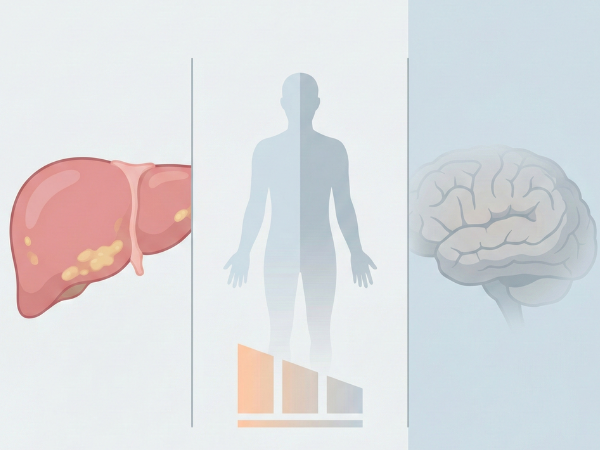
However, many patients often report, “I’m always tired.” “I can’t focus.” “My head feels heavy or cloudy.” These symptoms are often written off to stress, poor sleep, or a busy lifestyle. Some blame work pressure; others think it’s just age catching up. What most don’t realize is that the liver could be playing a role.
Imagine the feeling of being unable to function fully after a whole night’s rest, or sitting at your desk and struggling to think through things that used to come so easily. It is frustrating and frightening to have continuing fatigue and brain fog, and all the basic reports read “mostly normal.”
The fact is, fatty liver affects not only digestion or weight but can silently disrupt energy levels, hormones, blood sugar, and even how your brain functions. In this article, we delve into the lurking relation between fatty liver, constant tiredness, and mental fog, explaining it in words that are understandable, so that you know what your body may be trying to tell you.
Why Fatty Liver Makes You Feel Tired All the Time?
Your liver is like your body’s power station. One of its main jobs is to keep your energy steady by releasing sugar into the blood between meals. This is what stops you from feeling weak or sleepy.
When fat builds up in the liver, this system stops working smoothly. Your blood sugar goes up and down instead of staying stable. That’s why you may feel tired for no clear reason, especially in the late morning or afternoon, even if you’ve eaten and slept properly.
Another thing that happens is waste buildup. When you eat protein, your body creates a waste product called ammonia. A healthy liver clears it easily. But a fatty liver clears it more slowly. Even a small rise in ammonia can make you feel heavy, dull, and exhausted. Many studies show that people with fatty liver complain of fatigue long before the disease becomes serious.
Why does Fatty Liver cause brain Fog?
Fatty liver is not just about fat—it’s also about silent inflammation. An unhealthy liver releases inflammatory chemicals into the blood. These chemicals can reach the brain and slow down how it works.
That’s when you start feeling:
- Forgetful
- Unable to concentrate
- Mentally slow or “cloudy.”
In some people, ammonia levels rise above normal (around 50 µmol/L). This doesn’t cause dramatic symptoms at first, but it can lead to early brain changes. Doctors call this early hepatic encephalopathy. In real life, it feels like poor focus, confusion, or feeling mentally “off” all day.
How Fatty Liver Progresses Over Time?
Early stage: Fat builds up → mild tiredness
Middle stage: Inflammation starts → daily fatigue + brain fog
Later stage: Detox slows → poor focus, low energy
Bottom line: If you feel tired and mentally foggy all the time, it’s not “just stress.” Your liver may be asking for attention much earlier than you think.
Who’s Really at Risk? Let’s Talk Honestly
Fatty liver can affect not just people who have more weight than normal weight for their height and body. This is one of the biggest misconceptions. In India, it was found that amongst those who have more weight than normal, around 40% already suffer from fatty liver disease, and many of them do not even know this. They’re leading their lives as usual. They’re working, taking care of their families. All they know is they’re tired.
“Weight isn’t the risk,” she explains. “It’s what’s going on inside your body that matters.” If this person is experiencing “fat around the belly,” “inflammation,” or “blood sugar problems,” then “fat starts sneaking into the liver.” The liver will eventually be “stressed out” and “not functioning at full power.”
You’re more likely to be at risk if:
- You often carry your weight around your stomach.
- You have diabetes or are borderline diabetic
- You have been told that you have high cholesterol or triglycerides
- You have PCOS or issues with your thyroid
- You sit for a prolonged period of time and do not move around
- You feel tired, cloudy, or lacking in energy for no apparent reason.
Many people check two or three boxes and still think that “it’s nothing serious.” This is how a condition like a fatty liver could go unnoticed.
A Simple Way to Check Your Risk
There are even easy web-based risk tests that only take a few minutes. They will ask for some simple information, like your waist measurement, weight, sugar results, and activity level. It is not a diagnostic test, but it’s a wake-up call. If you find out that you are at higher risk, do not be unduly alarmed, though you should not discount this information entirely either. Fatty liver is among the few cases that can be completely turned around if diagnosed early.
Indian Diet Plan to Reverse Fatty Liver (Real, Simple, and Doable)
If you’ve been told you have fatty liver, the first thought is usually, “What can I eat now?” The good part is—you don’t need foreign diets or complicated rules. Our regular Indian home food, when eaten smartly, is more than enough to help the liver heal.
The goal is simple: reduce inflammation and make digestion easy so the liver gets some rest.
What Helps the Liver and What Makes It Worse
| Better Choices | Try to Avoid |
|---|---|
| Millets like jowar, bajra, ragi | Samosa, pakoda, chips |
| Simple dal, chana, rajma | Maida items, white bread |
| Haldi, jeera, ginger | Too much sugar and sweets |
| Cooked sabzi | Heavy restaurant gravies |
| Homemade curd, chaas | Cold drinks, packaged juices |
| Light home dinners | Late-night, oily meals |
You don’t have to stop everything forever. Just reduce the foods that overwork the liver.
A Simple 7-Day Eating Pattern
Morning
Warm water. If you like, add a pinch of haldi or drink jeera water.
Breakfast (rotate options)
Vegetable poha, moong dal chilla, oats, or idlis with sambar. Nothing fancy, just less oil.
Lunch
Dal, sabzi, and roti or a small portion of rice. Add curd if it suits you.
Evening
One fruit, roasted chana, or coconut water.
Dinner (keep it light)
Sabzi with dal, soup with roti, or khichdi. An earlier dinner helps the liver a lot.
One Recipe That Really Helps: Anti-Inflammatory Khichdi
This is comfort food with a purpose.
What to use:
Moong dal, rice or millets, haldi, jeera, a little ginger, and vegetables like lauki or carrot. Cook with very little ghee.
Why it works:
It’s easy on the stomach, reduces inflammation, supports gut health, and keeps energy steady. Many people notice better digestion and less heaviness within days.
The Truth Most People Miss
You don’t need perfection. Even following this style of eating most days of the week can bring real change. Energy improves first. Brain fog slowly lifts. Liver reports follow.
Small food changes, done daily, make a big difference over time.
Advanced Reversal Strategies (What Actually Makes a Difference)
Once you’ve cleaned up your food, the next question is usually, “What more can I do to fix this faster?” This is where movement, a few smart supplements, and proper tracking really help.
1. Exercise That Helps the Liver Heal
You don’t need hardcore gym sessions. What your liver needs is regular movement.
A very practical routine that works for many people is:
- Around 15,000 steps a day (spread through the day—walk after meals if possible)
- Light dumbbell workouts 4–5 days a week for 20–30 minutes
Walking helps the body use stored fat for energy and improves sugar control. Dumbbell exercises build muscle, and more muscle means less sugar turning into liver fat.
Keep it simple:
- Squats
- Shoulder presses
- Rows
- Basic lifts with light weights
Start slow if needed. Within a few weeks, most people feel better stamina and less heaviness.
2. Supplements That Are Actually Useful
Supplements are support, not shortcuts. But one supplement has solid backing.
Omega-3 fatty acids
- Dose: 1,000–2,000 mg per day
- Why: Helps reduce liver fat and inflammation, improves cholesterol
Take it with meals. If you don’t eat fish, a vegetarian omega-3 option works too.
Be careful with “liver detox” products. Many are untested and can stress the liver instead of helping it.
3. How to Know It’s Working
You shouldn’t rely only on how you feel. Simple tests help you stay on track.
- ALT (SGPT) blood test: Check every 2–3 months. A steady drop is a good sign.
- Home test kits: Useful to see trends, but not for diagnosis.
- FibroScan: The best scan to measure liver fat. Doing it once a year is usually enough.
When Should You See a Doctor? Don’t Push This Aside
Changing food and lifestyle helps in most cases, but sometimes your body is clearly asking for medical help. It’s important to listen to those signals instead of waiting it out.
You should see a doctor if:
- You feel tired all the time, and it’s not getting better, even after eating better and resting
- You have a constant heaviness or pain on the right side of your upper stomach
- Your liver reports (ALT or AST) stay high or keep increasing
- You feel unusually sleepy, confused, or mentally very slow
- You already have diabetes, PCOS, thyroid issues, or high cholesterol
These are not things to ignore.
Tests a doctor usually advises:
- Ultrasound (USG abdomen): To confirm fatty liver
- Liver blood tests (LFTs): To see how stressed the liver is
- Sugar and cholesterol tests: Because they are closely linked
- FibroScan (if needed): To check if the liver has started becoming stiff
Getting checked early can stop fatty liver from moving to a more serious stage.
Common FAQs
1. Can fatty liver really improve in 3 months?
Yes, many people see improvement in 2–3 months if the condition is caught early and lifestyle changes are followed properly. Energy improves first, reports follow.
2. Do I need medicine for fatty liver?
Most people don’t. Food, movement, and weight control work better than pills. Medicines are only needed if there are other problems, like diabetes.
3. Is fatty liver something to worry about?
Early fatty liver is reversible. Ignoring fatty liver can slowly damage the liver over the years.
4. Can someone who looks thin have fatty liver?
Yes. Fatty liver is more about metabolism than body size. Many normal-weight people have it.
5. Is alcohol always the reason?
No. Many people with fatty liver don’t drink at all. Sugar, refined carbs, and inactivity are common causes.
Also Read: Fatty Liver Stage 2 vs Stage 3: Symptoms & Warning Levels
Sum up,
Fatty liver often doesn’t hurt, but the way it makes you feel tired, dull, and mentally foggy is very real. These symptoms are not in your head—they’re your body’s quiet way of asking for help. The encouraging part is that fatty liver can improve, and in many cases reverse, when you catch it early. You don’t need drastic diets or complicated plans. Simple home food, daily movement, better sleep, and a little patience go a long way. Energy usually starts coming back before the reports change, which is a good sign. What matters most is not ignoring the signs or brushing everything off as “just stress.” Pay attention, get your tests done when needed, and take steady steps instead of quick fixes. Your liver has an amazing ability to heal when supported properly. Start small, stay consistent, and give your body the care it’s been quietly asking for.