Kidney disease is rising faster than ever, and by 2026, experts estimate that 1 in 7 Indians may be at risk. Most people think kidney problems show symptoms only in later stages, but your face can reveal early warning signs much sooner. The kidneys quietly filter waste, balance fluids, and keep your energy stable. When they start slowing down, your body tries to signal you in small, everyday ways. One of the easiest places to spot these changes is your face—because swelling, dullness, or color changes often appear before any major medical symptoms.
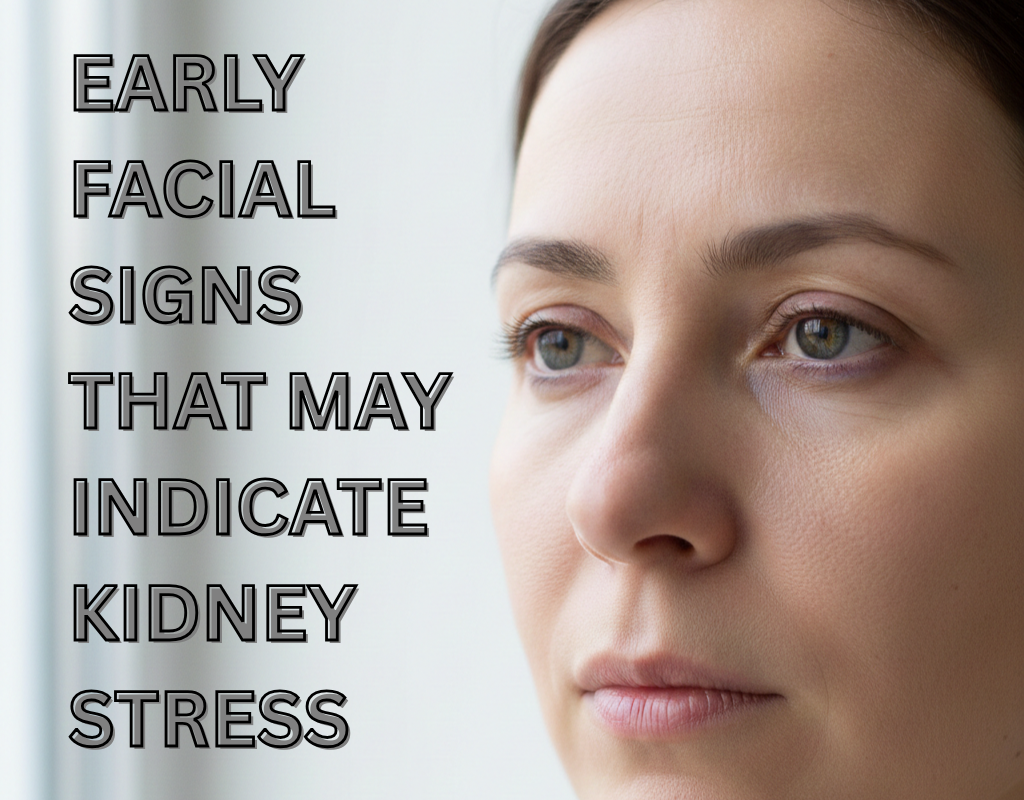
In this blog, we use simple tools, interactive cards, and AI-based checks to help you understand these early signs better. You’ll learn how to identify puffy eyes, dryness, skin color changes, dark circles, and subtle swelling around your face. The goal is simple: know these signs early so you can act on time and protect your kidneys.
What Kidneys Do & Risks?
Your kidneys are small, but they handle many important jobs every single minute. They filter your blood, remove toxins, balance minerals like sodium and potassium, manage blood pressure, control fluid levels, and help keep bones strong. They also produce hormones that support healthy red blood cells. When kidneys begin to slow down, even slightly, these functions are affected. This leads to symptoms that seem normal at first—like tiredness, puffiness, or dry skin—but can grow into serious problems if ignored.
Today, several factors are putting people at higher risk. Diabetes and high blood pressure remain the biggest reasons for chronic kidney disease (CKD). Climate change and rising temperatures are causing more dehydration, which also puts pressure on the kidneys. Long work hours, less water intake, processed food, painkiller misuse, and frequent infections are also becoming common triggers. By 2026, CKD cases are expected to rise sharply among adults in their late 20s and 30s.
Here is a simple table to understand the risks:
Risk Factors
Diabetes: Damages filtering units
High Blood Pressure: Weakens kidney vessels
Low Water Intake: Causes dehydration stress
High Salt Diet: Raises BP and fluid load
Painkillers (NSAIDs): Harm kidney tissue
Heat Exposure: Leads to repeated dehydration
Family History: Higher lifelong risk
Understanding these risks early makes it easier to prevent long-term kidney damage.
Top 5 Facial Signs to Look Out for
Your face often shows kidney stress long before your reports do. Here are the top five signs, why they happen, and how you can check them at home.
1. Puffy Eyes or Puffy Cheeks
What You See: Mild swelling around the eyes, especially in the morning, or a rounder-looking face.
Why It Happens: When the kidneys slow down, the body holds extra salt and water. This fluid collects in soft areas like the eyelids and cheeks.
Self-Check: Gently press under your eyes for two seconds. If the area feels unusually soft or stays pressed in, it may be fluid retention.
2. Dry or Itchy Skin
What You See: Rough patches, flakiness, fine lines, or constant itching without an allergy.
Why It Happens: Kidneys help balance minerals. When they struggle, your skin loses moisture and becomes dry. High levels of urea in the blood can also irritate skin.
Self-Check: Compare your skin texture under bright light. If your arms or face feel tight even after applying moisturizer, it may indicate deeper imbalance.
3. Pale or Slight Yellow Skin Tone
What You See: Washed-out skin or a yellowish tint around the face, palms, or nails.
Why It Happens: Kidneys help make red blood cells. When they slow down, anemia can cause paleness. Waste build-up can add a yellow tone.
Self-Check: Hold your palm next to a white surface. If it looks unusually pale or dull, it may be worth a check.
4. Persistent Dark Circles
What You See: Darker under-eye areas that don’t improve with sleep.
Why It Happens: Poor filtration leads to toxin build-up, fluid imbalance, and stress on blood vessels under the eye.
Self-Check: Compare your under-eye shade with an old photo. If the darkness has increased despite good sleep, consider it a sign.
5. Metallic Taste + Facial Swelling
What You See: Subtle swelling around the jawline and a strange metallic taste in the mouth.
Why It Happens: Waste accumulation in the blood affects taste receptors. The same imbalance can cause mild swelling around the face.
Self-Check: Notice if your face looks puffier in the morning. Track any metallic taste after meals or brushing.
4. Why the Face Shows Signs
Your face reacts quickly to kidney stress because the skin and soft tissues here are very sensitive to changes in fluid, minerals, and blood flow. When kidneys can’t filter waste properly, toxins build up in the blood. This affects the tiny blood vessels under the eyes and skin. These vessels become leaky, leading to puffiness and dark circles. At the same time, fluid retention makes the face swell easily, especially after waking up.
Another reason is mineral imbalance. When kidneys struggle to balance sodium, phosphorus, and potassium, the skin loses moisture, becomes dry, and may even itch. Poor red blood cell production due to kidney dysfunction can cause pale skin. These changes appear earlier on the face because facial skin is thinner than other parts of the body.
Kidney Stages Table
Stage 1: Mild damage, no symptoms
Stage 2: Slight swelling, tiredness
Stage 3: Visible facial puffiness, dryness
Stage 4: Pale skin, dark circles, itching
Stage 5: Severe swelling, metallic taste, nausea
Myth: “Dark circles always mean lack of sleep.”
Fact: They can also signal poor filtration and toxin build-up.
What are Some Prevention Tips?
Preventing kidney stress is easier when you make small daily changes. You don’t need extreme diets or long routines—just consistent habits. Start with water. Most adults don’t drink enough. Aim for 2–2.5 liters per day unless your doctor advises otherwise. Add more hydrating foods like fruits, vegetables, and coconut water, especially during hot weather.
Next, reduce salt. High salt increases blood pressure and puts extra pressure on the kidneys. Even cutting 1 teaspoon of salt per day can make a big difference. Avoid processed foods, instant snacks, and packaged soups.
Movement is equally important. Walking improves blood flow to the kidneys and reduces swelling. Simple home workouts also help lower blood pressure.
Here’s a quick lifestyle table:
Lifestyle Hacks Table
Water: 8–10 glasses daily
Steps: Aim for 7,000–10,000 steps
Salt: Keep under 5g per day
Protein: Avoid excess (no unnecessary supplements)
Sugar: Limit added sugars
Sleep: 7–8 hours daily
Painkillers: Avoid regular use
Alcohol: Keep minimal
Heat Exposure: Drink water every 30 minutes outdoors
Adding more potassium-rich foods (bananas, spinach, coconut water) helps balance sodium unless you already have kidney disease. Reduce unnecessary supplements because too much protein or creatine strains the kidneys. Small daily choices are more effective than rare big changes.
6. Diagnosis & Next Steps
If you notice any of the facial signs repeatedly, the next step is simple testing. Early diagnosis can prevent long-term damage and keep your kidneys healthy. Start with a basic blood test called serum creatinine, which helps calculate your eGFR—the main number used to measure kidney function. A urine test can check for protein leakage, which is one of the earliest signs of kidney stress. Your doctor may also suggest a blood pressure check, an ultrasound, or an electrolyte test.
Here’s a simple list:
Important Tests
Serum Creatinine
eGFR
Urine Albumin Test
Blood Pressure
Kidney Ultrasound
Electrolyte Panel
If your results are even slightly abnormal, don’t panic. Most cases can be managed with early lifestyle changes and medical guidance.
CTA Buttons You Can Add:
“Calculate Your eGFR Now.”
“Take the 30-Second Facial Risk Quiz.”
“Book a Kidney Health Checkup”
These help readers take action immediately after reading.
Smart Daily Habits to Protect Your Kidneys
Protecting your kidneys goes beyond basic advice like “drink more water” or “eat healthy.” Today, small but smart lifestyle changes can make a big difference, especially with the help of technology. Start by focusing on an anti-inflammatory diet, which reduces pressure on your kidneys. Include omega-3–rich foods like walnuts, flaxseeds, chia seeds, and fatty fish. These help control inflammation and support blood vessels, which directly benefit kidney function. Avoid high-salt snacks, sugary drinks, and processed foods that cause water retention and raise blood pressure.
Hydration is equally important, but most people guess their water intake wrong. Use apps like WaterMinder or Apple Health to track your daily water intake, set reminders, and avoid dehydration—one of the biggest hidden kidney stressors.
Wearables such as Apple Watch, Garmin, and Samsung monitors help track blood pressure, step count, sleep quality, and swelling trends. High BP or poor sleep over time can be early warnings of kidney strain. Aim for 7–8 hours of sleep, 7,000–10,000 steps daily, and regular stretching.
Small daily habits build long-lasting kidney strength. When you combine diet, hydration tracking, and wearable tech, you give your kidneys the support they need long before any symptoms appear.
Why Visual Guides Make Kidney Health Easier to Understand?
Kidney health is often hard to understand because symptoms appear slowly and quietly. Visual tools like infographics, comparison tables, and face-change charts help simplify complicated concepts. Many top health blogs skip this step, but visual learning can help readers identify problems earlier.
For example, a facial-changes infographic can show side-by-side comparisons of normal vs. swollen eyes, pale vs. healthy skin tone, and mild vs. severe dark circles. These simple visuals make it easier for readers to spot early kidney stress at home. Another helpful tool is a CKD stage comparison chart, which breaks down symptoms by stage—like mild swelling in Stage 2 or facial dullness in Stage 3. This lets people understand where they may fit before they even get tested.
A hydration chart can help users track urine color and water intake, making hydration practical instead of confusing. Similarly, an omega-3 food wheel can guide people to choose kidney-safe foods without overthinking.
Adding visuals also makes medical information less scary. Instead of long medical explanations, users get clear pictures that explain “what to look for” and “how serious it might be.” These tools make your blog more helpful, trusted, and easier for readers to act on immediately.
Why do Different Groups Face Different Kidney Risks?
Kidney disease does not affect everyone the same way. Certain demographics face higher risks due to hormones, age, lifestyle, climate, or genetics. For women, hormonal changes during pregnancy, PCOS, menopause, and thyroid disorders can influence blood pressure and kidney filtration. Women are also more prone to UTIs, which, when untreated, can affect kidney health.
After 60, the filtering rate begins to drop, and conditions like hypertension, diabetes, arthritis medications, and dehydration increase the risk even further. Older adults must monitor water intake, blood pressure, and swelling more closely.
In India, kidney risks are even higher due to high diabetes prevalence, hot climate, dehydration, and long working hours. Heat exposure causes repeated fluid loss, making the kidneys work harder. Diet patterns—high salt, preserved foods, and low hydration—also contribute to early kidney stress.
Genetics adds another layer. Someone with a family history of CKD, hypertension, or diabetes has a higher lifetime risk.
Understanding these group-specific risks helps readers take personalized action, instead of following general advice that may not fit their lifestyle or health needs.
Clearing Up Common Misbeliefs About Facial Signs and Kidney Health
Many people ignore early kidney signs because they believe common myths. One of the biggest myths is that “swelling is always due to allergies or lack of sleep.” While this can be true sometimes, persistent swelling—especially around the eyes—can be an early sign of kidney stress. Another myth is “dark circles only come from being tired.” In reality, toxin buildup and fluid imbalance from kidney issues can make the under-eye area darker.
Some people believe dry skin is only a winter problem, but kidney-related dryness happens year-round because minerals are not balanced properly. Another common belief is “drinking lots of coconut water automatically improves kidney health.” While it supports hydration, too much potassium can be harmful for those with existing kidney issues.
Myth: “Young people don’t get kidney disease.”
Fact: Rising heat, dehydration, long screen hours, and high-salt diets are increasing kidney problems in people as young as 25.
Myth: “If there is pain, then there’s a kidney issue.”
Fact: Most kidney diseases start silently with no pain at all.
Breaking these myths helps people understand that early facial changes are worth taking seriously and checking with simple tests.
How AI and Digital Tools Are Changing Kidney Care?
The future of kidney care is being shaped by AI and advanced digital tools. Today, smart systems can analyze your lifestyle, hydration levels, sleep data, and blood pressure readings to detect early kidney stress. AI-based apps can track facial swelling, skin tone changes, and dark circles using your smartphone camera. These tools compare your data with thousands of medical patterns to predict early kidney risk.
Telemedicine has also transformed nephrology care. People can now consult kidney specialists through video calls, share reports instantly, and receive early guidance without waiting weeks for appointments. This helps catch problems before they worsen.
Wearables such as the Apple Watch and the Fitbit allow real-time monitoring of heart rate variability, swelling trends, blood pressure, and hydration reminders. Some advanced devices even alert you if your BP stays high for several days—one of the biggest kidney risk factors.
New kidney-health apps help track urine color, water intake, salt consumption, and symptoms. They also generate alerts if your daily habits increase risk.
AI-driven prediction tools and remote monitoring systems give people a chance to protect their kidneys much earlier—long before symptoms become serious. Technology is making prevention easier, smarter, and more accurate than ever.
FAQs
Are puffy eyes always a kidney problem?
No, allergies or lack of sleep can also cause puffiness.Can young adults get kidney issues?
Yes, rising heat and dehydration are increasing cases among 20–35-year-olds.How early can facial signs appear?
Sometimes months before medical symptoms.Is dryness always due to kidney stress?
Not always, but persistent dryness with tiredness may indicate underlying issues.Can drinking more water improve kidney function?
It supports kidney health but cannot fix damage already done.
Sum up,
Your face is often the first place where kidney stress quietly appears, long before you feel pain or fatigue. Puffy eyes, dryness, skin color changes, dark circles, or subtle swelling may look harmless, but they can be early signals that your kidneys are working harder than they should. Spotting these signs early gives you a real advantage. It allows you to check your numbers, fix small lifestyle issues, and prevent long-term damage before it reaches a stage where treatment becomes difficult or costly.
This blog gave you simple tools, clear explanations, and interactive self-checks to help you understand what your face might be trying to tell you. But the next step is in your hands. Take a few minutes to assess your symptoms, try the 30-second facial quiz, and calculate your eGFR. These small actions can help you know where you stand today and what you need to correct going forward.
Kidney disease is rising fast, but early awareness can reduce most risks. Stay alert, listen to your body, and don’t ignore changes you see daily in the mirror. If anything feels unusual or keeps coming back, get a basic kidney test on time. Protecting your kidneys now means protecting your long-term health and energy.