Antibiotics are life-saving. Antibiotics can aid in combating serious infections and speed up the healing process when taken properly. However, many people fail to recognize that antibiotics are also capable of inducing changes in the body that feel daunting and puzzling. Surprisingly, many people often find themselves concluding that they are suffering from a different illness when, in actuality, they are experiencing the effects of antibiotics.
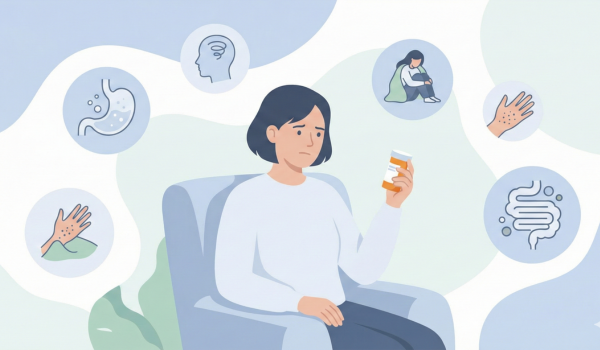
In 2026, antibiotics are still in use—but there is greater awareness of their consequences. Even so, many adults give in to panic when experiencing new symptoms while taking prescription medications. Suffering from head pains, stomach problems, skin reactions, or episodes of weakness leads many to search Google for their ailments, draw dire conclusions, and seek medical help unnecessarily. Research studies in clinical pharmacology journals show that as high as 30 to 40 percent of adults have observable side effects from antibiotic use, and such side effects are largely perceived as the onset of another health issue and not as reactions to medication.
This is a blog discussing the side effects of taking antibiotics, which many people commonly confuse with a new health issue. The aim is not to frighten you, but to enlighten you on what is normal, temporal, or when you must seek medical assistance.
Why Antibiotic Side Effects Are Often Misunderstood?
But antibiotics are not only effective in killing harmful bacteria. They also target beneficial bacteria in your body, especially in your skin and immune system. And when this happens, your body responds in various ways.
Antibiotic side effects are usually noticed a few days after starting treatment. Others emerge after the treatment is completed. Since the reaction is not a typical “medicine-related issue,” a new condition is assumed.
This is particularly prevalent when it comes to the side effects of antibiotic medication among adults, most especially when they already have to contend with stress, digestion problems, hormones, and fatigue.
1. Stomach Pain, Gas, and Bloating (Mistaken for Digestive Disease)
One of the most common antibiotic side effects is digestive trouble. Antibiotics disrupt gut bacteria, which directly affects digestion.
People often mistake this for:
Gastritis
Acid reflux
IBS
Food intolerance
Symptoms may include:
Stomach cramps
Excess gas
Bloating
Feeling full quickly
These are classic antibiotic side effects, not a new stomach disorder. In most cases, digestion improves within a few weeks after finishing the course.
2. Loose Motions or Constipation (Mistaken for Infection or IBS)
Bowel movement changes are very common. Some people may have diarrhea, while others may have constipation. This is due to the effects that antibiotics have on your intestines. Many people believe they have a stomach infection or a chronic problem with their bowels. This is one of the most commonly misunderstood side effects of antibiotics in adults, especially when it lasts for a long period of time. However, sometimes diarrhea, especially severe diarrhea, requires medical attention, but mild diarrhea often results from mild side effects related to antibiotics.
3. Fatigue and Weakness (Mistaken for Anemia or Chronic Illness)
It is common to feel unusually tired after commencing antibiotics, though it is rarely discussed.
People think that:
- “My iron must be low.”
- “I am developing a serious illness.”
- “There is something wrong with my immunity.”
In reality, antibiotics affect gut bacteria that help absorb nutrients and support energy levels. Fatigue is a well-documented but ignored part of antibiotic side effects. This tiredness usually fades as the body rebuilds balance.
4. Headaches and Dizziness (Mistaken for Blood Pressure or Neurological Issues)
Certain antibiotics can cause headaches, light-headedness, or mild dizziness.
People panic and assume:
Blood pressure issues
Migraine disorder
Brain-related problems
These antibiotic side effects are usually temporary and linked to how the medicine interacts with the nervous system.
If headaches are mild and started after medication, they are more likely common antibiotic side effects than a new disease.
5. Skin Rashes or Itching (Mistaken for Allergy or Skin Disease)
Not all rashes mean allergy. Some antibiotics cause mild skin reactions due to changes in the immune response.
People often assume:
Food allergy
Eczema
Fungal infection
While true allergies need attention, mild itching or small rashes are known antibiotic side effects and often disappear after stopping the drug.
This confusion is very common among adults who already have sensitive skin.
6. Yeast Infections (Mistaken for STD or Hormonal Problem)
Antibiotics kill bacteria, but yeast survives and grows faster when bacteria are gone. This leads to yeast infections, especially in women.
Symptoms include:
Vaginal itching
White discharge
Discomfort
Many people panic and think they have:
Hormonal imbalance
Sexually transmitted infection
This is one of the most classic side effects of antibiotics in adults, yet still widely misunderstood in 2026.
7. Metallic Taste or Loss of Appetite (Mistaken for Liver or Dental Issues)
Some antibiotics change how food tastes. People report:
Bitter or metallic taste
Reduced hunger
Nausea
This often leads to fear of liver problems or dental issues. But taste changes are well-known antibiotic side effects and usually reverse after treatment ends.
8. Mood Changes and Anxiety (Mistaken for Mental Health Problems)
The gut and brain are deeply connected. When antibiotics disturb gut bacteria, mood changes can happen.
People may feel:
Anxious
Irritable
Low or restless
Many adults assume they’re developing an anxiety disorder or depression. In reality, this can be part of long term effects of antibiotics, especially after repeated use.
Mood usually stabilizes as gut health improves.
9. Joint or Muscle Pain (Mistaken for Arthritis)
Certain antibiotics can cause temporary muscle or joint discomfort.
People panic and think:
Arthritis is starting
Vitamin deficiency
Autoimmune disease
This pain is often mild and short-term. It falls under common antibiotic side effects, especially in adults over 30.
10. Weakened Immunity Feeling (Mistaken for Frequent Illness)
After antibiotics, many people “feel that they are falling sick again and again. This is because the use of antibiotics reduces the amount of beneficial bacteria, which trains the body’s immunity. This is among the long-term effects of the use of antibiotics, which specialists speak freely about in the year 2026. This does not mean that the immune system is irreparably harmed, but rather that the healing process takes
Understanding Long Term Effects of Antibiotics
The long term effects of antibiotics are mostly related to gut health, digestion, immunity, and nutrient absorption. These effects are more noticeable when antibiotics are used frequently or unnecessarily.
Possible long-term changes include:
Sensitive digestion
Recurrent infections
Food intolerance
Lower energy levels
This is why doctors now emphasize responsible use and recovery care after antibiotics.
When Antibiotic Side Effects Are Normal vs When to Worry
Normal antibiotic side effects include:
Mild stomach upset
Temporary fatigue
Taste changes
Mild rashes
You should see a doctor if:
Symptoms are severe
Breathing issues occur
High fever develops
Severe diarrhea lasts more than 2–3 days
Understanding this difference helps prevent panic and unnecessary tests.
How to Reduce Common Antibiotic Side Effects?
In 2026, recovery after antibiotics is considered just as important as the treatment itself.
Helpful tips:
Eat probiotic-rich foods (curd, fermented foods)
Stay hydrated
Avoid junk food during recovery
Don’t skip meals
Complete the course as prescribed
These steps help reduce antibiotic side effects and protect against long term effects of antibiotics.
Final Thoughts
Antibiotics are powerful tools—but they are not gentle. Many symptoms people fear are actually common antibiotic side effects, not new diseases.
Understanding the side effects of antibiotics in adults helps reduce anxiety, unnecessary doctor visits, and overthinking. In most cases, your body just needs time to rebalance.
The more informed you are, the calmer and healthier your recovery will be.