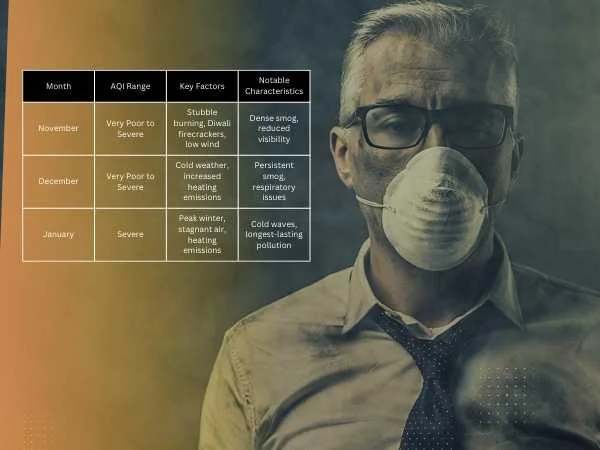
Air pollution is no longer just a problem for the environment; it is now one of the biggest health hazards in the world. There is more and more proof that dirty air does more than only make people cough or make their eyes water. It gets deep into the body and hurts the lungs, messes up the heart’s function, and even changes how the brain works. It’s really important to know how air pollution affects health, especially for people who live in areas that are quickly becoming cities.
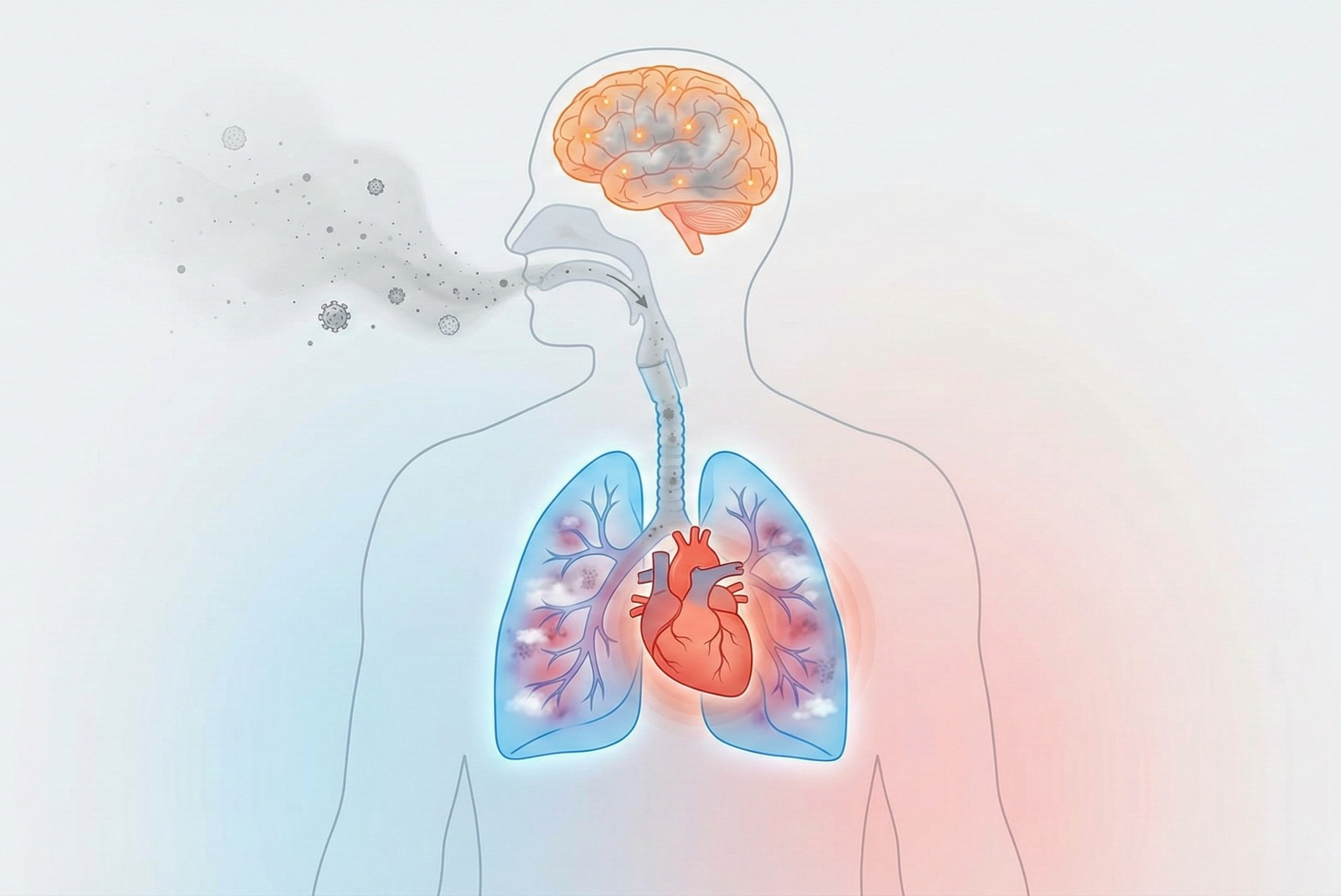
This article talks about how polluted air affects three important organs: the lungs, heart, and brain. It also answers a question that more and more people are asking these days: do supplements really function to protect the body from pollution-related harm, or are we largely witnessing a placebo effect from the supplements?
The Air We Breathe Today: Why 2026 Will Be a Big Year for Health
Air pollution is worse and more complicated now than it was ten years ago. Fine particulate matter (PM2.5), nitrogen dioxide, ozone, volatile chemical compounds, and heavy metals are now present in combinations that make them even more dangerous. These contaminants are so small that they can get past the body’s natural defenses. This makes the health impacts of air pollution more severe and widespread.
The year 2026 is important because pollution exposure is no longer rare. For millions of people, it is long-term. Being exposed to it all the time causes low-grade inflammation that never goes away completely. This chronic inflammatory condition underpins respiratory diseases, cardiovascular impairment, and neurological deterioration. Scientists generally believe that the effects of air pollution on the lungs and heart start quietly, sometimes years before symptoms show up. At the same time, more and more individuals are turning to vitamins and antioxidants, asking if supplements can really shield them against the effects of everyday exposure or if the benefits they think they are getting are just a placebo effect.
How air pollution gets into the lungs and hurts them at the cellular level?
The lungs are the first and most direct places where dirty air goes. When we breathe in, tiny particles go deep into the alveoli, which are the tiny air sacs that let us breathe. PM2.5 and ultrafine particles, on the other hand, get stuck in lung tissue instead of being stuck in the nose or throat.
When these particles become stuck there, they start immunological reactions. Macrophages try to eat them, which causes them to release chemicals that cause inflammation. Over time, chronic inflammation makes the walls of the airways thicker, makes the lungs less flexible, and makes it harder for oxygen to get through. This is why air pollution is bad for your health: it causes asthma, chronic bronchitis, COPD, and even lung cancer in those who don’t smoke.
Repeated exposure also makes it harder for the lungs to heal themselves. The damage builds up quicker than the body can repair, which is why air pollution can cause respiratory problems that get worse over time and lead to systemic disease.
This lung damage makes people wonder if supplements really help lower oxidative stress in the lungs. Research shows that antioxidants can only partially neutralize free radicals. This is why supplements are only useful as support aids and not as protective shields.
The Heart Under Attack: How Air Pollution Causes Heart Disease
Pollutants don’t stay in the lungs once they get there. Ultrafine particles and inflammatory chemicals get into the blood and immediately impact the heart and blood vessels. This is where the effects of air pollution on the heart and lungs become very closely linked.
Exposure to pollution makes blood vessels stiffer, stops the synthesis of nitric oxide, and encourages plaque to build up in arteries. This makes it more likely that you will get high blood pressure, heart attacks, strokes, and arrhythmias. Researchers have now shown that simply being around high levels of pollution for a short time might cause heart problems in people who are already at risk.
By 2026, more and more cardiologists will see dirty air as a modifiable risk factor for heart disease, much like diet or lack of exercise. The implications of air pollution on health here are not just ideas; they are real things that happen, including more people going to the hospital and dying too soon.
A lot of people take omega-3s, magnesium, or CoQ10 to try to keep their hearts healthy. But do supplements really help with vascular damage caused by pollution? Evidence indicates only minimal advantages. Some changes may come from being more conscious of how your lifestyle affects your health, not from taking supplements. This has led to continuous discussion regarding whether supplements have a placebo impact on heart health.
The Effects of Air Pollution on the Brain and Nervous System
One of the most worrying things we’ve learned in the past several years is how air pollution hurts the brain. Pollutants can get to the brain in two ways: through the blood and directly through the olfactory nerve. Once they get in, they cause oxidative stress and neuroinflammation.
This inflammation hurts neurons, throws off the balance of neurotransmitters, and speeds up the decrease of cognitive function. Studies show that being exposed to pollution for a long time can cause memory loss, shorter attention spans, sadness, anxiety, and a higher risk of getting Alzheimer’s and Parkinson’s disease. Air pollution can hurt children’s brains by slowing down their cognitive development and lowering their grades.
Air pollution’s effects on health are no longer just physical; they now also clearly include effects on mental and neurological health. Brain scans of individuals subjected to elevated pollution levels exhibit structural alterations akin to initial neurodegeneration.
A lot of people are asking if supplements really help with brain damage caused by pollution because nootropics and brain supplements are so aggressively pushed these days. Some nutrients may help the brain work better, but there isn’t much proof that they can repair inflammation caused by pollution. In numerous instances, observed cognitive clarity may indicate a supplement’s placebo effect rather than genuine neuroprotection.
The domino effect of inflammation, immunity, and the whole body
Air pollution doesn’t only hurt one organ at a time. It causes long-term inflammation that affects the entire immune system. Inflammation that lasts a long time weakens the immune system, making the body more likely to get sick and take longer to get better. This systemic inflammation is why air pollution can cause more autoimmune diseases, metabolic problems, and worse outcomes in viral infections. A single inflammatory cascade affects the lungs, heart, and brain, making them all victims.
The impacts of air pollution on the heart and lungs frequently act as a gateway, whereas the consequences on the brain happen slowly over time. You can’t just take pills to address this whole-body problem. Supplements can help fix deficiencies, but they can’t stop continued exposure. This is where the placebo effect of supplements comes into play: being proactive about health can improve behavior, sleep, and food, which can help the body deal with things better, even if the supplement itself doesn’t have a big effect.
Do supplements really help protect against pollution damage?
This is one of the most common questions people ask these days: Do supplements really help protect against air pollution? The honest answer in 2026 is not simple. Some supplements, such as vitamin D, omega-3 fatty acids, and antioxidants, may help keep the immune system in balance and lower oxidative stress. In this way, supplements work as helpful aids, not as cures.
But no supplement can totally stop how air pollution affects the brain at a structural level, stop particulate matter from getting into the lungs, or stop vascular inflammation. Many of the purported advantages come from changes in expectations, habits, and lifestyle, which shows how important the placebo effect of the supplements is. If you only take supplements and don’t pay attention to things like exposure, nutrition, exercise, and air quality, you probably won’t be able to protect your long-term health. Air pollution has health implications that need to be fixed in a way that works for everyone, not just one person.
How to Keep Your Heart, Lungs, and Brain Safe in a Dirty World?
You don’t have to feel helpless when you live in a polluted area. We can’t completely stop exposure, but smart efforts can make a big difference. Using air purifiers inside, not going outside when pollution levels are high, eating better, working out in cleaner places, and supporting lung capacity all help lessen the effects of air pollution on the heart and lungs.
Mental health habits are particularly important since stress makes the brain more sensitive to air pollution. Supplements can be helpful if you utilize them wisely and don’t expect too much from them. Knowing if supplements work or just have a placebo effect can help you make better health choices.
In the end, being aware is protection. As science learns more about how air pollution affects health, making smart decisions is our best defense.
Sum up,
By 2026, it is evident that air pollution is not just an environmental problem for the future; it is a daily health risk that affects how we breathe, think, and live. The data demonstrates that dirty air slowly hurts the lungs, puts stress on the heart, and changes how the brain works long before symptoms show up. Supplements may provide some limited advantages, but they cannot reverse or completely prevent the biological damage caused by ongoing exposure. Additionally, the placebo effect of supplements should not be confused with genuine protection. To really prevent health problems, you need to limit your exposure, make healthy lifestyle choices, and understand that air quality is a key factor in long-term health. To keep your lungs, heart, and brain safe in today’s society, you need to be alert, take action, and stop looking for easy cures and start looking for long-term health methods.