Quick Clinical Overview
A brain glioma is a type of tumor originating from glial cells in the central nervous system. Symptoms vary based on tumor size and location, often presenting as persistent headaches, seizures, or focal neurological deficits. Diagnosis typically involves neurological exams and MRI scans, with treatment ranging from maximum safe surgical resection to targeted therapies.
Understanding Brain Gliomas: Early Warning Symptoms & Surgical Options
Occasionally, having a headache, feeling fatigue, and memory loss can happen to anyone, but what about when these symptoms persist for a while? What if a person starts suffering from seizures, difficulty in talking, or numbness on one side of the body? The symptoms mentioned above must not be ignored, as sometimes they can be indicative of the development of a brain tumour. A brain tumour comes in different forms; one such form is known as glioma. Glioma occurs due to an abnormal growth of glial cells in the brain.
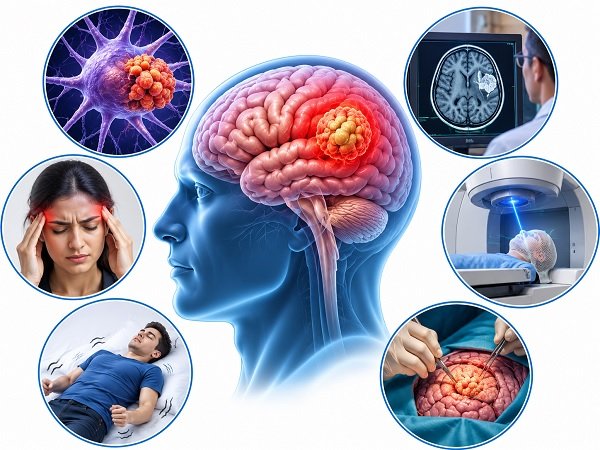
Glial cells are special cells in the brain that protect and provide support to nerve cells. However, what is glioma? How can you identify the symptoms of glioma? Does it always need surgery? This blog will provide answers to these questions in simple language. We will talk about the causes, symptoms, and treatment of glioma, including its surgery.
What Is a Brain Glioma?
First of all, it is necessary to explain what a glioma is.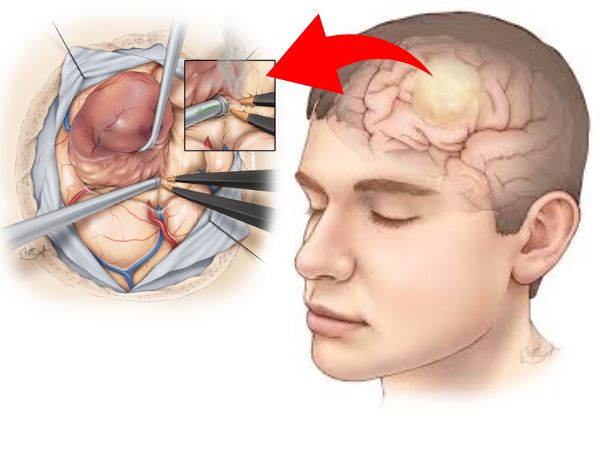
The brain consists of two major kinds of cells – neurons and glial cells. The former transmit impulses, while the latter provide support to neurons.
If some glial cells begin to develop abnormally, then the disease called glioma appears.
Gliomas include several kinds such as astrocytoma, oligodendroglioma, and ependymoma. They have specific properties and grow at various speeds.
There are both benign, slow-growing and malignant, fast-growing tumors among gliomas.
That is why it is not enough just to know the name of the tumor, but doctors should also determine its type and grade.
What Causes Glioma? Why Does It Develop?
Now, let’s come to one of the most common questions: why does glioma develop?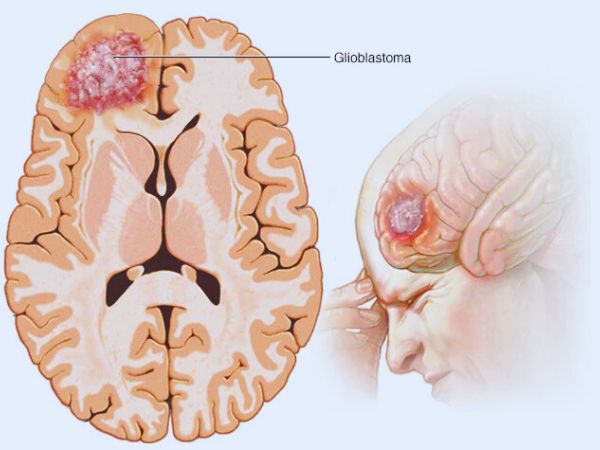
The exact cause of most gliomas is still not clearly known. However, researchers believe that changes in the DNA of certain cells may lead to abnormal cell growth.
Some factors that may increase the risk of developing a glioma include:
1. Genetic Changes: Certain changes in the genes of brain cells can play a role in the development of gliomas. These changes can also help doctors understand the type of tumour.
2. Inherited Conditions: Some rare genetic conditions, such as Neurofibromatosis and Li-Fraumeni syndrome, can increase the risk of developing brain tumours.
3. Radiation Exposure: Previous exposure to high-dose ionising radiation to the head can increase the risk of certain brain tumours.
However, there is something important to understand here. Not everyone who develops a glioma has a known risk factor. Also, everyday stress, normal headaches, and mobile phone use are not established causes of glioma.
8 Early Warning Symptoms of Brain Glioma
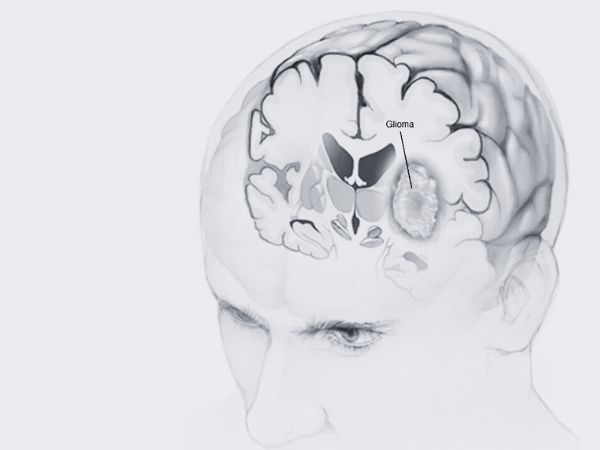
Now that we understand what glioma is and what may contribute to its development, let’s look at the symptoms.
The signs of glioma depend on where the tumour is located, how large it is, and how quickly it is growing.
Here are eight warning signs that you should know about.
1. Frequent or Worsening Headaches
Having a headache from time to time is common. But if someone starts experiencing headaches more frequently, or the pattern of their headaches changes, it may need medical attention.
In some cases, a brain tumour can cause swelling or increased pressure inside the skull, which may lead to headaches.
A person may notice that their headaches are becoming more severe or are accompanied by vomiting or other unusual symptoms.
However, remember that not every headache is a sign of a brain tumour. There can be many other reasons behind it.
2. Seizures or Fits
For some people, a seizure may be the first noticeable symptom of a glioma.
During a seizure, a person may experience sudden jerking movements, muscle stiffness, blank staring, or temporary loss of awareness.
Sometimes, the seizure may affect only one part of the body, such as a hand or the face.
If someone experiences a seizure for the first time, they should receive immediate medical attention.
3. Weakness in the Arms or Legs
A glioma can affect the part of the brain that controls body movements.
As a result, a person may start feeling weakness in their arms or legs. They may find it difficult to hold objects, walk properly, or move one side of their body.
For example, someone who could easily hold a cup earlier may suddenly struggle to grip it.
If weakness develops suddenly, seek emergency medical help because a stroke can also cause similar symptoms.
4. Changes in Vision
Some gliomas can affect the areas of the brain responsible for vision.
A person may experience blurred vision, double vision, or difficulty seeing objects on the sides.
They may also find it difficult to focus on things even though they did not have such problems earlier.
New or unusual changes in vision should always be checked by a doctor.
5. Problems With Speech
Certain parts of the brain control speech and language. If a tumour affects these areas, a person may find it difficult to speak clearly or understand what others are saying.
For example, they may know what they want to say but struggle to find the right words.
Some people may also have difficulty forming sentences or understanding simple conversations.
Sudden speech difficulties can be an emergency sign, so do not delay medical help.
6. Memory and Behaviour Changes
Have you noticed that someone in your family has suddenly become more forgetful? Or have you noticed unusual changes in their behaviour or personality?
Certain areas of the brain control memory, thinking, emotions, and decision-making.
If a glioma affects these areas, a person may experience difficulty remembering things, concentrating, or making everyday decisions.
Sometimes, family members notice these changes before the person does.
7. Nausea and Vomiting
Increased pressure inside the skull may cause nausea and vomiting in some people with brain tumours.
If vomiting happens repeatedly, especially along with worsening headaches, it should not be ignored.
However, nausea and vomiting can also happen because of many other health conditions. A proper medical examination is needed to understand the actual cause.
8. Balance and Walking Problems
Some parts of the brain help us maintain balance and coordinate body movements.
If a glioma affects these areas, a person may start having difficulty walking properly.
They may experience:
- Frequent stumbling while walking.
- Difficulty maintaining balance.
- Problems coordinating body movements.
- Trouble walking in a straight line.
These changes may develop slowly, so family members should pay attention to unusual changes in walking patterns.
Important: These symptoms do not automatically mean that someone has glioma. However, if they are new, persistent, or getting worse, medical evaluation is important.
How Is Brain Glioma Diagnosed?
Now, the next question is: if someone experiences these symptoms, how do doctors find out whether it is a glioma or another health condition?
Doctors usually follow a few important steps to understand the problem.
- Neurological Examination: The doctor may check the person’s vision, hearing, muscle strength, balance, coordination, reflexes, and memory.
- MRI Scan: An MRI scan is one of the important tests used to identify brain gliomas. It helps doctors understand the tumour’s size, location, and effect on the surrounding brain tissue.
- CT Scan: A CT scan may also be recommended in certain situations, especially when doctors need quick imaging of the brain.
- Biopsy and Molecular Testing: In many cases, doctors need a small sample of tumour tissue to identify its exact type and grade. This sample may be collected during surgery or through a needle biopsy. Pathology and molecular tests help doctors understand the tumour better and plan suitable treatment.
What Are the Surgical Options for Brain Glioma?
Once the diagnosis is confirmed, the next step is to plan the treatment.
The treatment of glioma depends on several factors, including its type, grade, size, location, and the patient’s overall health.
In many cases, surgery plays an important role. However, removing the entire tumour is not always possible or safe.
Let’s understand some common surgical options.
1. Craniotomy and Tumour Removal
Craniotomy is a surgical procedure in which a neurosurgeon temporarily removes a section of the skull to reach the brain tumour.
The main aim is to remove as much of the tumour as safely possible via specialized brain tumor removal surgery.
Doctors usually try to perform what is called a maximum safe resection. This means removing as much tumour tissue as possible while protecting important brain functions.
The exact amount that can be removed depends on where the tumour is located and how close it is to important brain areas.
2. Awake Brain Surgery
In selected cases, doctors may recommend a procedure called awake brain surgery.
During part of this surgery, the patient remains awake. The neurosurgeon may ask the patient to speak, answer questions, or perform simple tasks.
Why is this done?
It helps doctors monitor important brain functions, such as speech and movement, while removing the tumour.
This technique is not suitable for every patient. The decision depends on the tumour’s location, the patient’s condition, and the surgical plan.
3. Stereotactic Brain Biopsy
Sometimes, a tumour may be located in an area where open surgery is risky.
In such cases, doctors may recommend a stereotactic brain biopsy.
During this procedure, imaging guidance helps the surgeon guide a thin needle accurately towards the tumour and collect a small tissue sample.
This sample is then examined to understand the exact type of tumour and decide what treatment may be needed.
4. Debulking Surgery
In some cases, completely removing a tumour may not be safe, especially when it is located near important brain structures.
Here, the surgeon may remove as much of the tumour as safely possible. This procedure is called debulking surgery.
It may help reduce the tumour’s size, relieve pressure, and support further treatment.
Is Surgery the Only Treatment for Glioma?
No. Glioma treatment is not limited to surgery.
Depending on the type and grade of the tumour, doctors may recommend other treatments along with surgery or, in some cases, without surgery.
Let’s understand these options.
- Radiation Therapy: This treatment uses high-energy radiation to damage tumour cells and control their growth.
- Chemotherapy: Certain medicines are used to destroy tumour cells or slow down their growth.
- Targeted Therapy: Some gliomas have specific molecular changes. In selected cases, doctors may recommend medicines that target these changes.
- Regular Monitoring: For certain slow-growing tumours, doctors may recommend regular MRI scans and follow-up visits instead of starting immediate treatment.
The treatment plan is different for every patient. This is why an accurate diagnosis and consultation with a specialist are so important.
Final Thoughts
Brain glioma can be a serious neurological condition, but its symptoms, growth pattern, and treatment options can vary from one person to another.
Frequent or worsening headaches, seizures, memory changes, weakness, speech difficulties, and balance problems are some warning signs that should not be ignored.
If you or someone in your family experiences unusual or persistent symptoms, consult a neurologist or neurosurgeon. Early medical evaluation helps doctors understand the condition and plan suitable treatment.
Most importantly, remember that complete tumour removal is not possible in every glioma case. The main goal of the neurosurgeon is to treat the tumour as safely as possible while protecting important brain functions.
An accurate diagnosis, expert guidance, and an individual treatment plan are all important parts of glioma care.
Clinical Medical Review & Editorial Integrity
This medical content has been structured following strict medical journalism and expert verification frameworks to ensure absolute accuracy, trust, and safety in compliance with Google’s YMYL (Your Money Your Life) standards. For personalized diagnosis or surgical consultations, always consult a qualified neurosurgeon or neurologist.