Have you ever felt tired, dizzy, or moody and blamed it on lack of sleep? What if your body is just asking for water? For most people, thirst is thought of as the first and only symptom. In fact, though, the signs of dehydration can appear much earlier than that. And they can appear in ways you might not expect. In fact, it is believed that by the time you feel very thirsty, you can already be mildly dehydrated. Your body is composed of 60% water. Water enables your mind to think clearly, your heart to beat normally, your skin to look healthy, and your digestion to flow normally. Even when your level of water drops by a small amount, it can change how you feel.
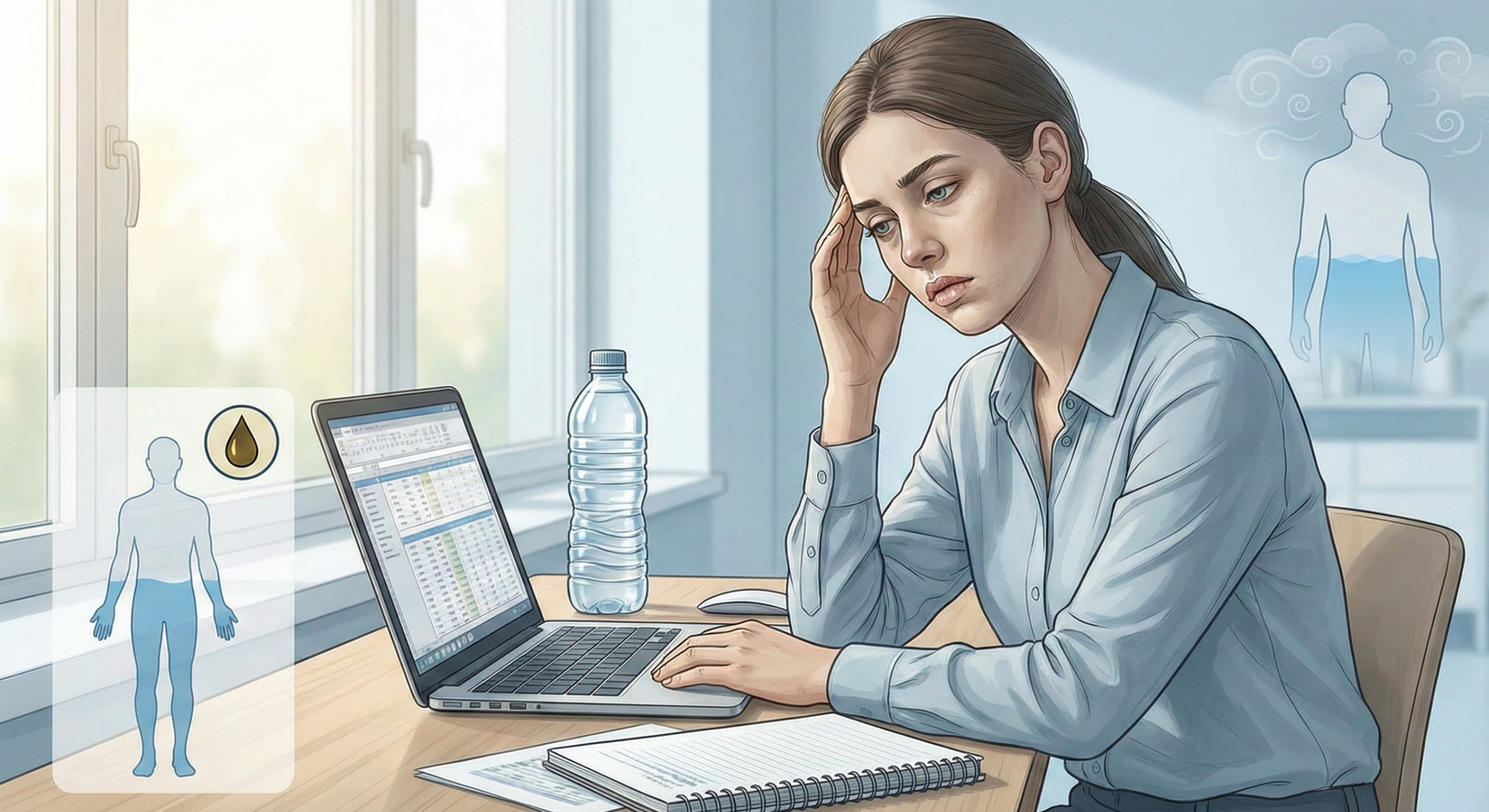
In the article, we will look at the true symptoms of dehydration, as well as some of the early symptoms your body may be experiencing before the onset of thirst. You will also be able to learn what to do daily, as well as some myths and the seriousness of dehydration. Let’s listen to what our own bodies might already be telling us!
What Are the Signs of Dehydration?
The symptoms of dehydration occur when more fluids have been lost than taken into the body. This occurs when exposed to heat, physical activity, illness, or when one is not taking enough water.
Common symptoms of dehydration in adults:
- Dry mouth
- Fatigue
- Headache
- Dark yellow urine
- Dizziness
- Constipation
- Muscle cramps
But that is only basic information. Let us probe deeper.
Feeling Unusually Tired or Sluggish
Why does dehydration trigger fatigue?
Water transports oxygen and nutrients to your cells. When you are not drinking enough water, your blood volume will decrease slightly. Your heart works harder. You feel tired.
Many individuals often misinterpret early signs of dehydration as exhaustion.
- You might notice:
- Afternoon crashes
- Low Motivation
- Brain Fog
- Heavy eyelids
A study, published in The Journal of Nutrition, found that mild dehydration could have a considerable effect on energy and mood, especially for women.
Before reaching for another cup of coffee, why not try some water first?
Frequent Head
Can dehydration cause headaches?
Yes. One of the most common symptoms of dehydration is the dull and throbbing headache.
When your body suffers from:
- Blood flow to the brain is slightly reduced
- The brain might briefly pull away from the skull
- Pain receptors get triggered
You might feel:
- Feel the pressure in your forehead
- Tightness around your temples
- Pain in the head, relieved by drinking water
If headaches are common occurrences, then the water status would be worth investigating.
Dry Skin That Doesn’t Bounce Back
Is dry skin a sign of dehydration?
Sometimes, yes. Lightly pinch the skin on the back of your hand. If it does not return to normal within a longer-than-usual time, it is one of the early symptoms of dehydration.
- Other skin-related signs:
- Dull appearance
- Increased wrinkles temporarily
Important: Dry skin may also be caused by weather conditions or improper skin care regimens. However, if accompanied by fatigue and dark-colored urine, dehydration may be the underlying reason.
Dark Yellow or Strong Odor Urine
How should healthy urine appear?
Having light straw-colored urine can be a sign that you are well hydrated.
One of the most obvious symptoms of dehydration is the production of dark yellow or amber-colored urine.
You might notice:
- Strong smell
- Less frequent urination
- Burning sensation in severe cases
The darker the color, the more fluids you may need.
Feeling Dizzy When Standing Up
Have you ever stood up too fast and felt dizzy?
Mild dehydration can cause blood pressure to drop slightly. When you stand:
- Blood collects in your legs
- Your brain gets less blood briefly
- You feel dizzy
This is usually true for dehydration symptoms among adults when the weather is hot. If dizziness persists, consult a doctor.
Muscle Cramps and Weakness
Minerals such as sodium and potassium are regulated by water. These minerals govern body muscles.
- When you’re dehydrated
- Muscles may cramp
- You may feel weakness
Although this is more likely to occur to an athlete, it can happen to anyone.
Bad Breath
Saliva aids in washing out bacteria in your mouth. When you’re dehydrated:
- You produce less saliva
- Bacteria multiply
- Breath smells awful
- Brushing away, perhaps, won’t solve this.
Constipation or Slower Digestion
Your body uses water to move waste through your intestines.
Without sufficient fluids:
- The stool becomes hard
- Bowel movements become difficult
- You may feel bloated
- Another symptom of dehydration that not everyone is aware of is constipation.
Mood Changes and Irritability
You might notice:
- Feeling Easily Annoyed
- Difficulty focusing
- Mild Anxiety
Mild dehydration also affects brain performance. A small study carried out at the University of Connecticut revealed that even a fluid loss of 1 to 2 percent can have a significant effect on the mood and concentration of an individual. Your brain will also need water.
Increased Heart Rate
When blood volume diminishes due to dehydration:
- The heart beats faster
- You may feel palpitations
- This is what your body is attempting to do.
Rapid heartbeats that cause dizziness and confusion are important reasons to see a doctor.
Craving Sugary Drinks
Sometimes, thirst can be mistaken for hunger.
You might:
- Reach for juice or soda
- Sudden cravings for sugar
- Before eating, it is recommended that you consume water and wait for 10 minutes
Your body may just be requiring fluids.
Cold Hands and Feet
- When dehydrated
- The circulation of blood can decrease
- Feeling of cold
Though less common, it can also present as mild dehydration.
Common Myths vs Facts About Signs of Dehydration
| Myth | Fact |
|---|---|
| You only need water when thirsty | Thirst is a late signal |
| Coffee always dehydrates you | Moderate coffee still counts toward fluids |
| Clear urine means perfect hydration | Overhydration can also make urine very clear |
| Only athletes get dehydrated | Anyone can experience dehydration symptoms in adults |
Real-World Tips to Prevent Dehydration
Some simple steps you can take today include:
1. Start Your Morning With Water
Drink one glass of water when waking up.
2. Use A Bottle With Markings
Track how much you are taking.
3. Eat Water-Rich Foods
- Cucumber
- Watermelon
- Oranges
- Tomatoes
4. Set Reminders
If you have forgotten, you can set your phone alarm.
5. Increase Intake in Heat or Illness
Fever, diarrhea, or hot weather may accentuate fluid loss.
Small Story: Riya’s Afternoon Slump
Riya, a 32-year-old office employee, felt tired every day at 3 PM. She believed this fatigue was due to stress. One day, Riya noticed she only had a cup of tea since the morning and no water. She started drinking 2 to 3 glasses at lunchtime. Within a week, she started to feel more energized. In some cases, the symptoms of dehydration can be obvious. In some cases, they can be quite obvious.
New Insight: Mild Dehydration and Brain Performance
A new study found that even mild dehydration may impact:
- Short-term Memory
- Attention span
- Reaction time
This is particularly important for students and office workers. Many blogs concentrate on extreme dehydration cases. However, day-to-day low-level dehydration may influence productivity. That afternoon, brain fog? It may not be sleep. It may be water. (Consult external resources: World Health Organization hydration guideline, NIH hydration research database, PubMed articles on mild dehydration, cognition.)
Quick Takeaways
- Thirst is not the initial indicator.
- Fatigue and headaches are common initial symptoms of dehydration.
- Dark urine is a key indicator.
- Mood and focus can improve.
- Small habits every day prevent big problems.
When Are Signs of Dehydration Serious?
Seek medical help if you notice:
Confusion
Very little urination
Rapid heartbeat
Sunken eyes
Fainting
Severe dehydration can be dangerous and may require IV fluids.
Conclusion: Listen to the Signs of Dehydration Early
Your body whispers before it screams. The signs of dehydration often begin quietly — a mild headache, low energy, dry lips, or dark urine. Until they are feeling really sick, many people ignore these early symptoms of dehydration. The good news is that prevention is a no-brainer. Minor habits such as rehydrating with water throughout, including intake of water-rich food, and paying attention to the color of urine make all the difference in the world. Drink one more glass of water than you usually would today, and see how you feel a couple of hours from now. If this article helped you better understand symptoms of dehydration, share it with a person who always says, “I’m just tired.” Your body might just need water.
FAQs
1. What are some early signs of dehydration?
Fatigue, dry mouth, headache, dark urine, and dizziness are early symptoms caused by dehydration.
2. How much water should adults drink every day?
Generally, most adults need between 2-3 liters of water a day, although this may depend on their activities and their environment.
3. Can dehydration result in anxiety?
Even mild dehydration can influence mood and make an individual irritable or nervous.
4. When Should I See A Doctor?
If you feel confused, faint, urinate very little, or have a rapid heartbeat.
5. Are the signs and symptoms of dehydration in adults similar to or different from children
Children: They manifest irritability, crying without tears, or decreased wet diapers. Adults: The symptoms usually start with fatigue, dizziness, etc.